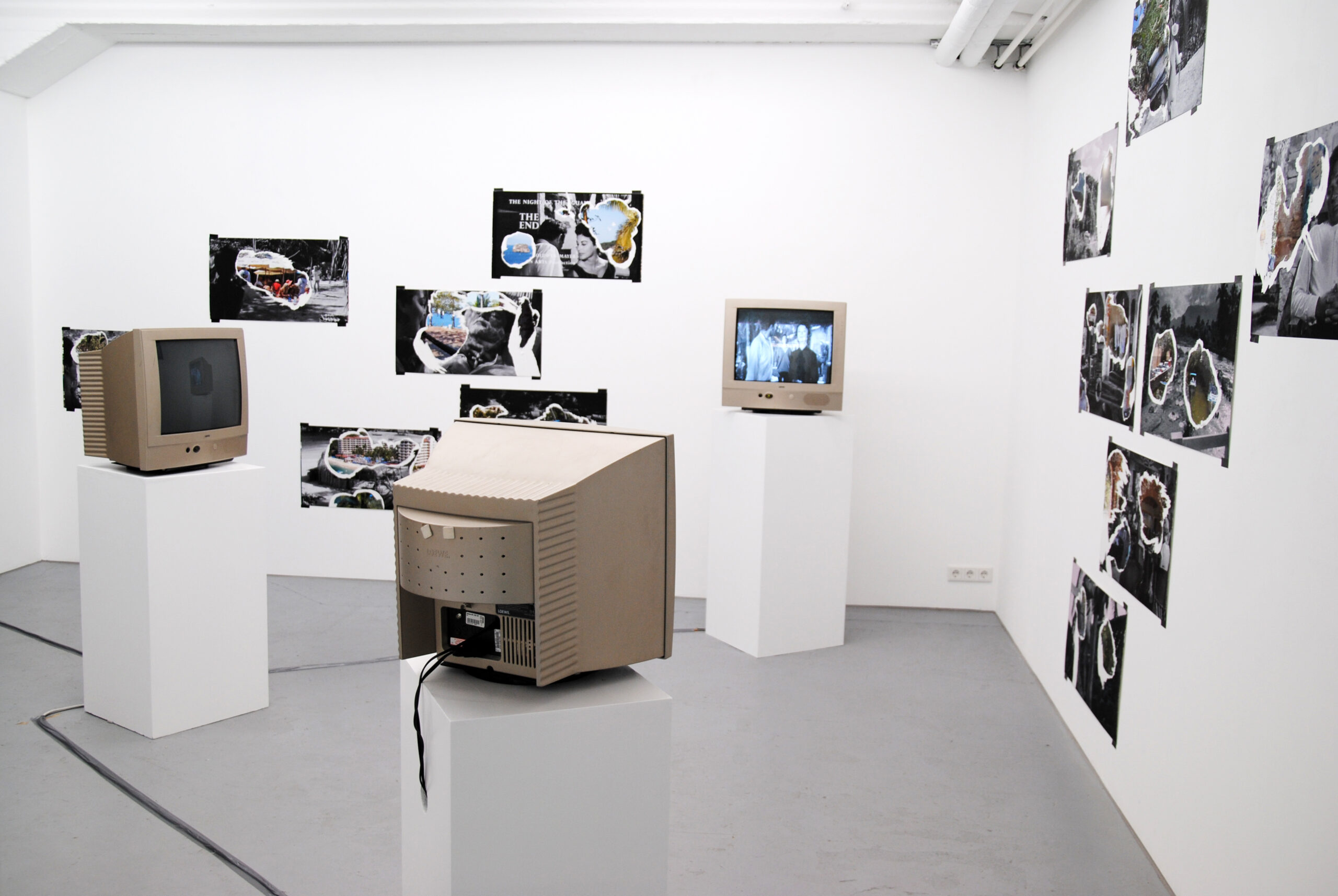
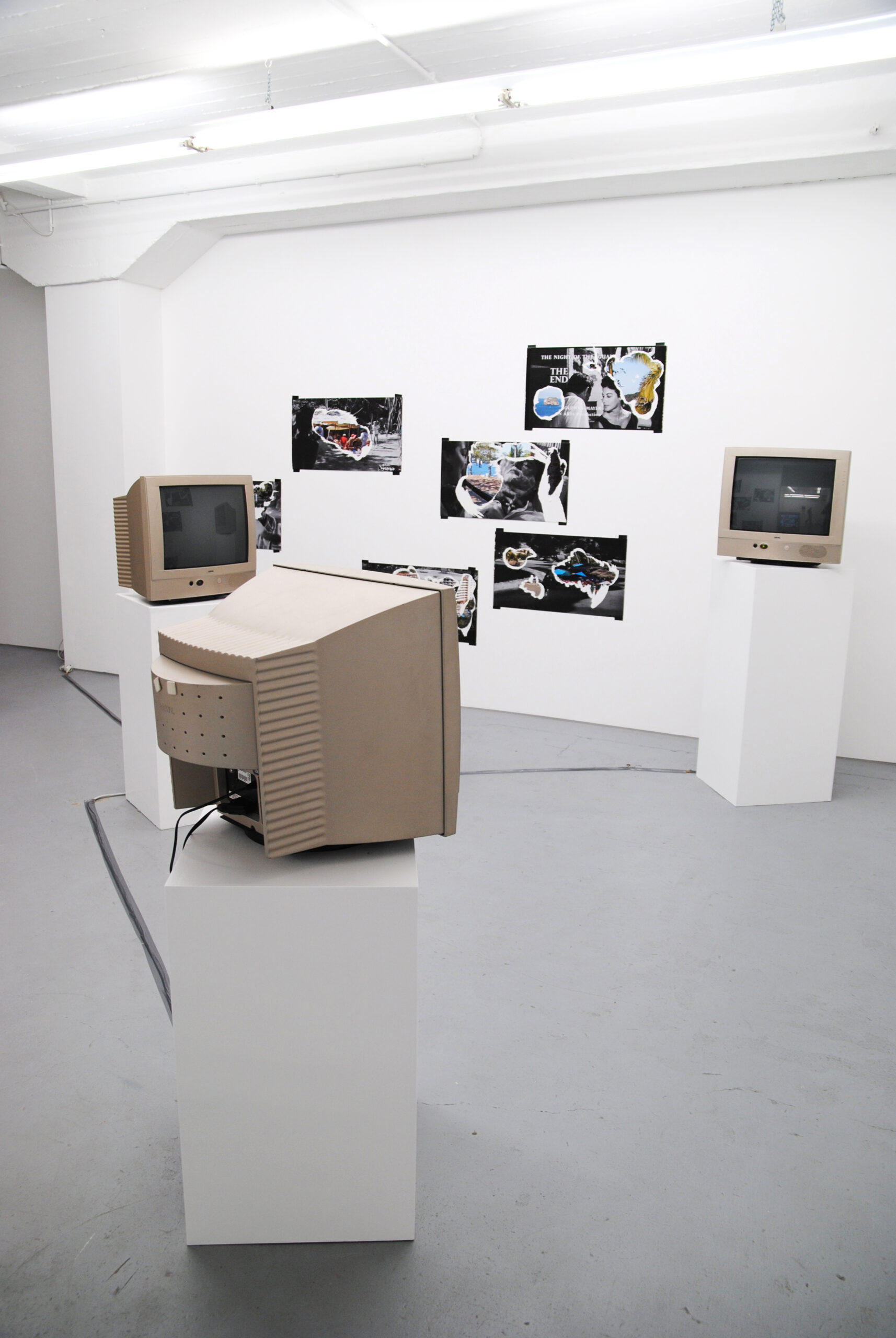
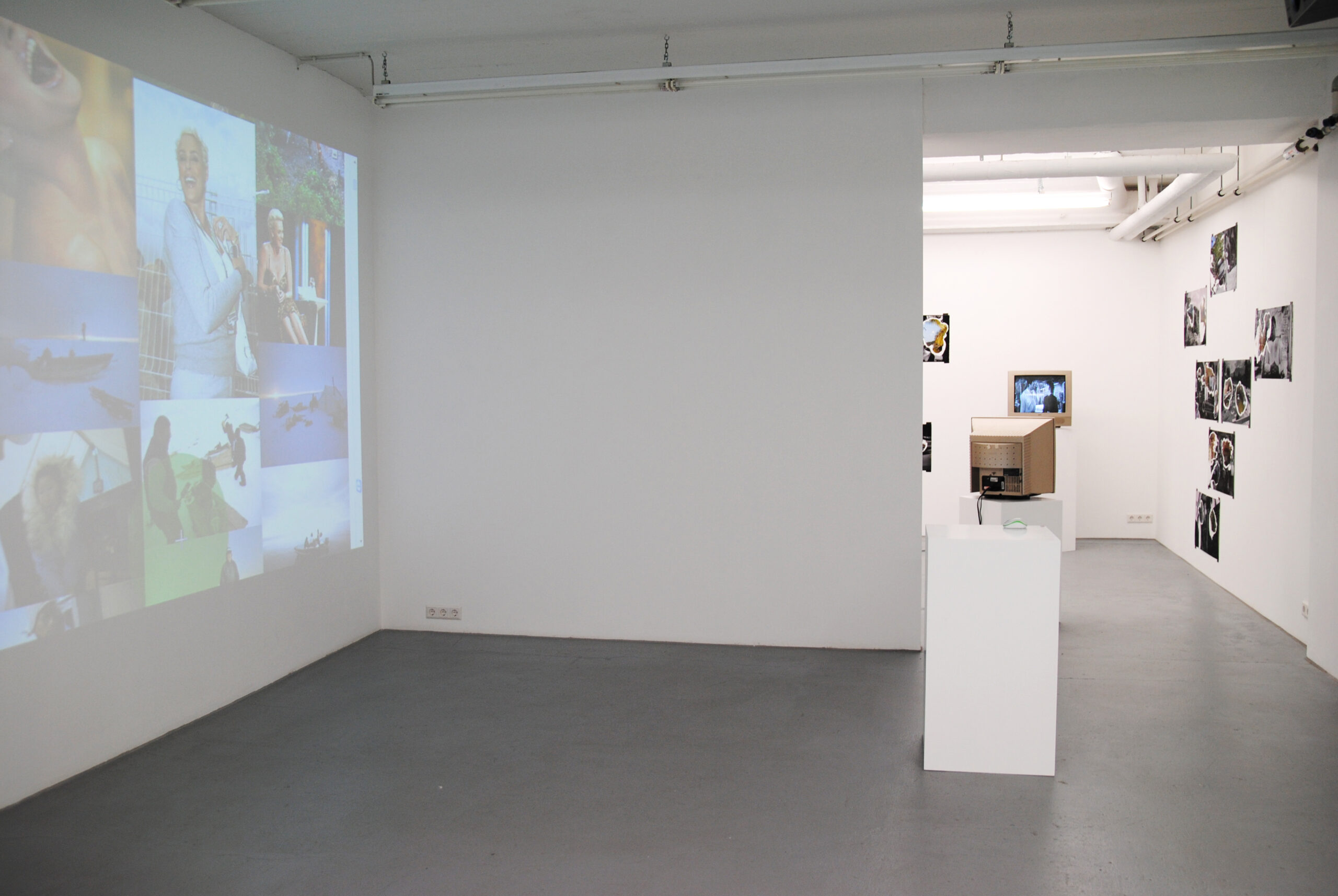
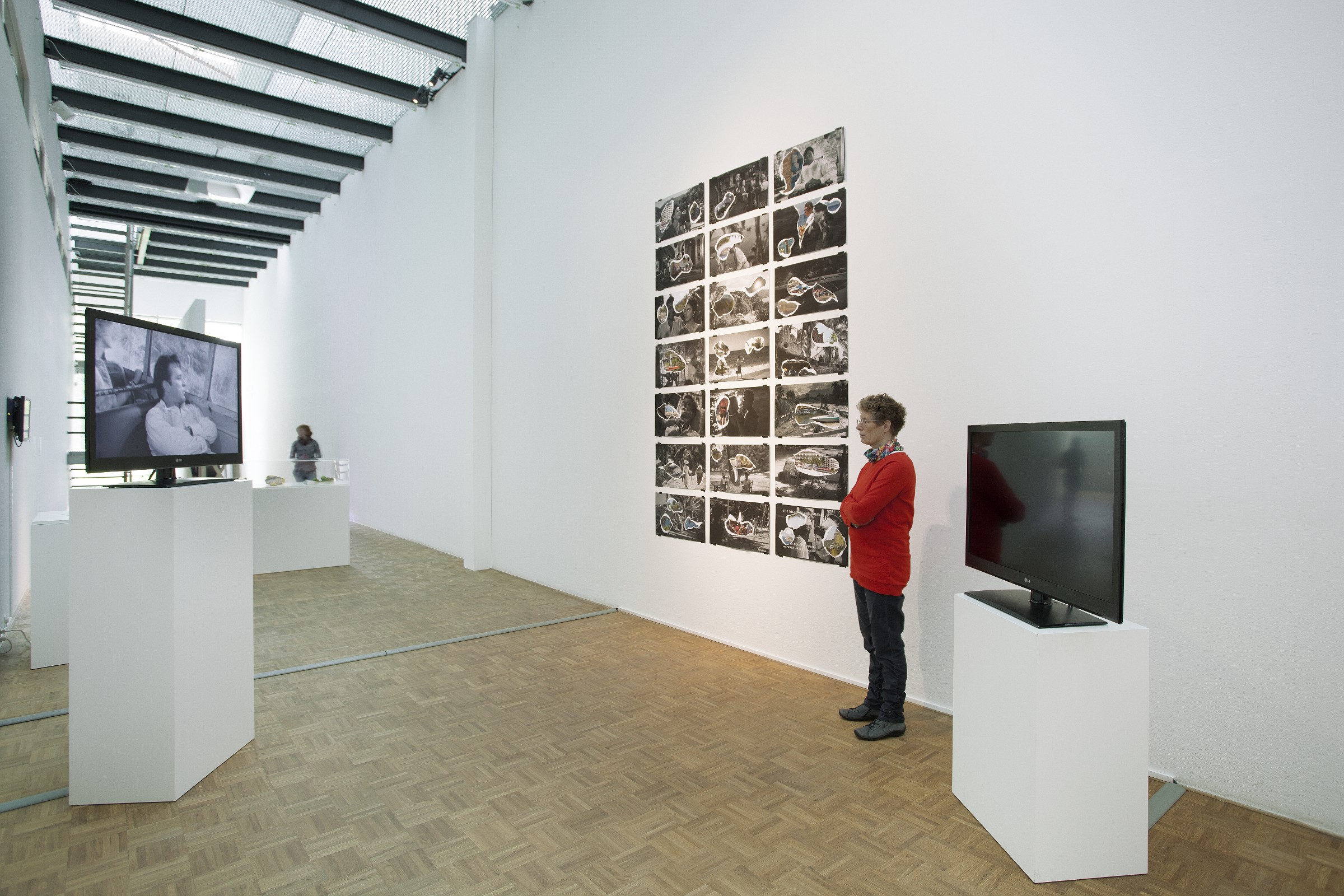
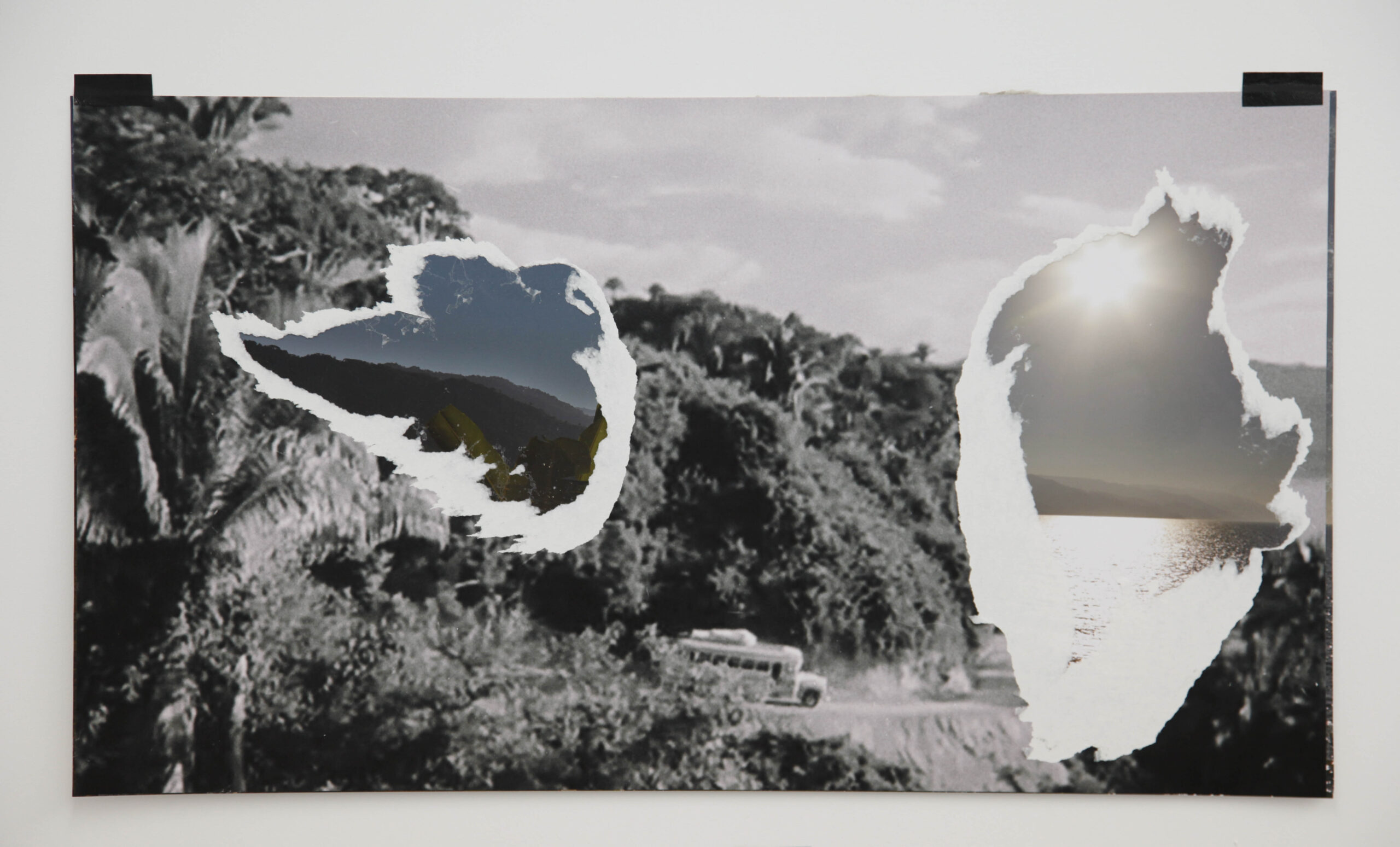
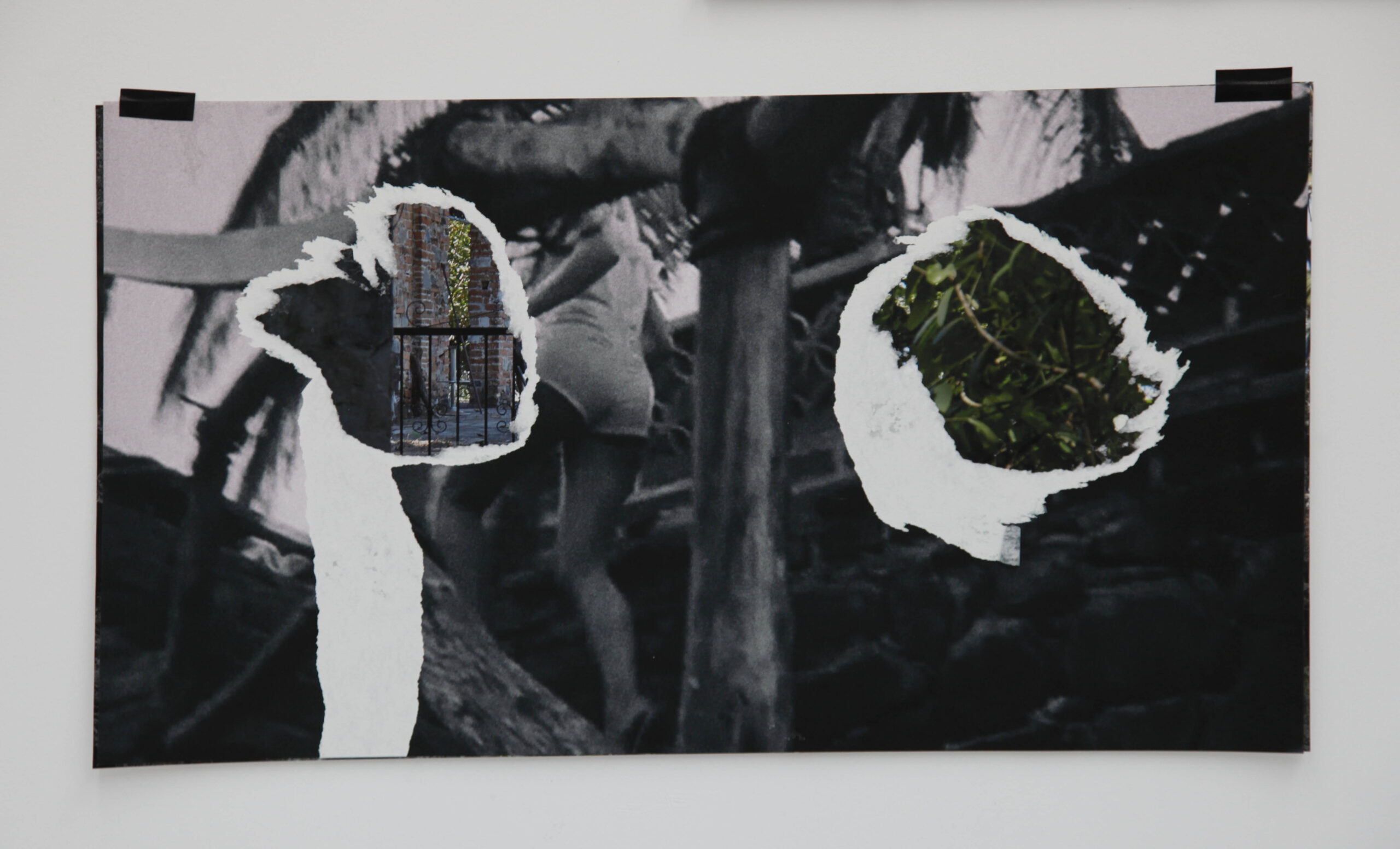
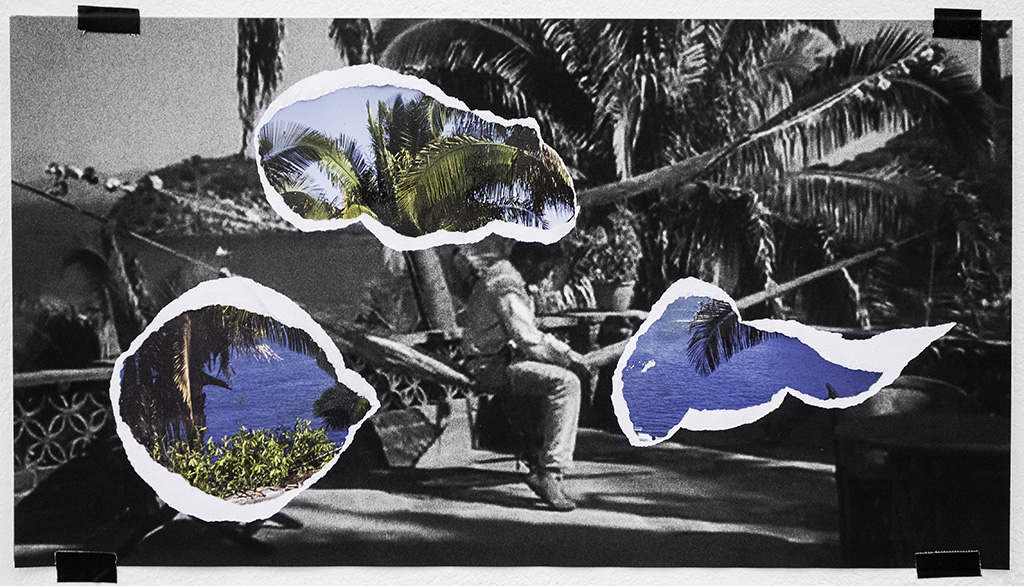
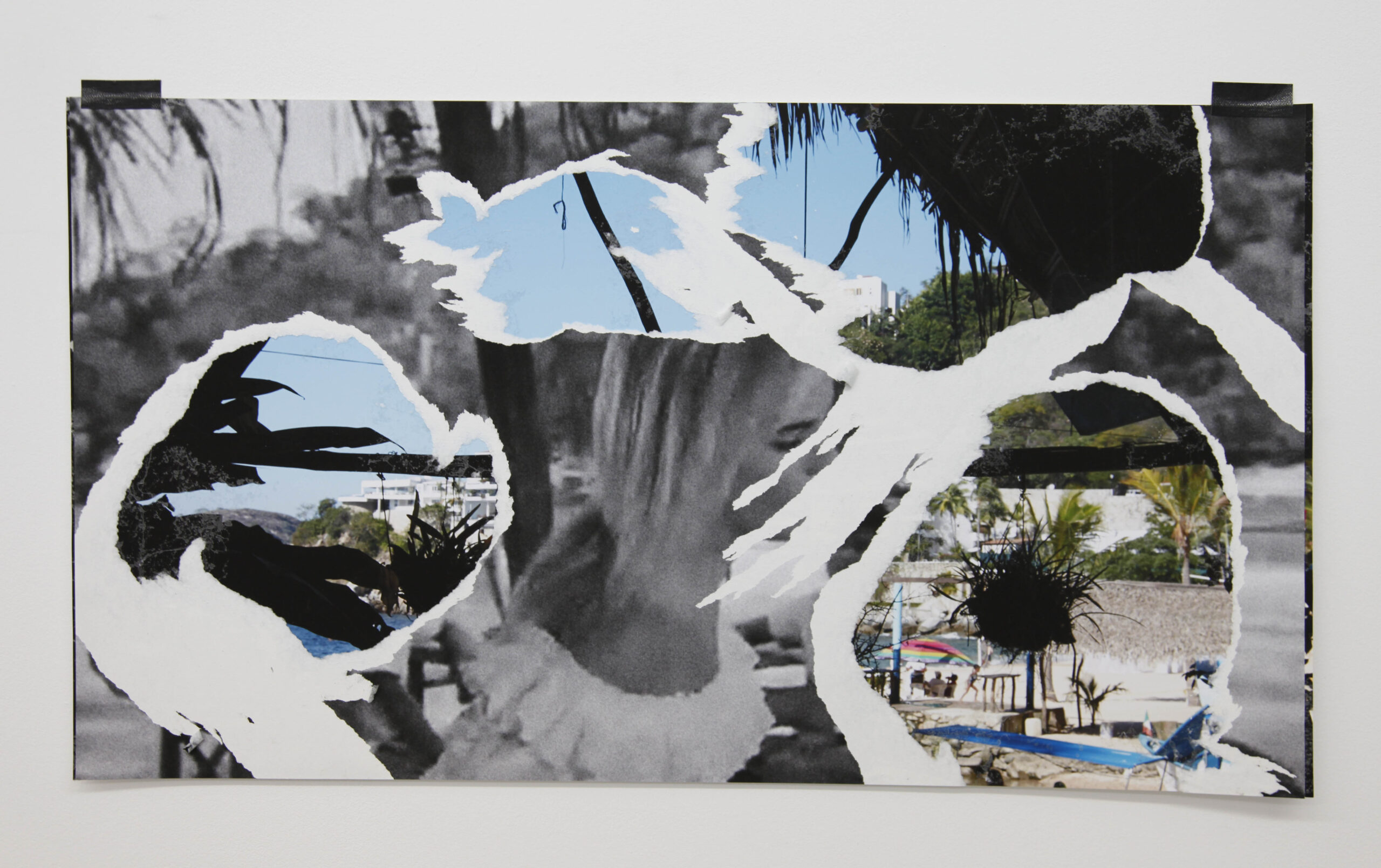
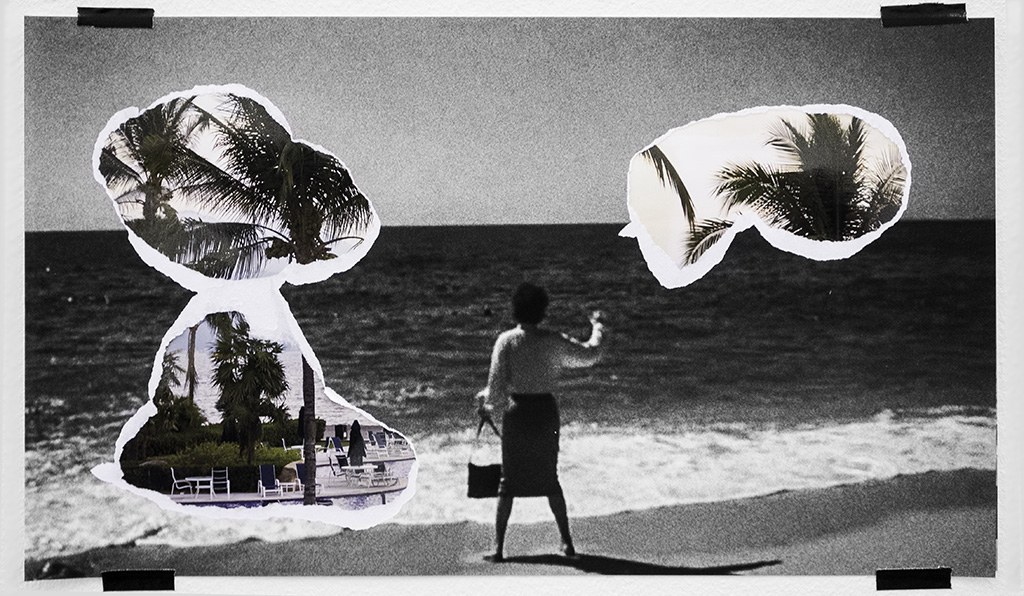
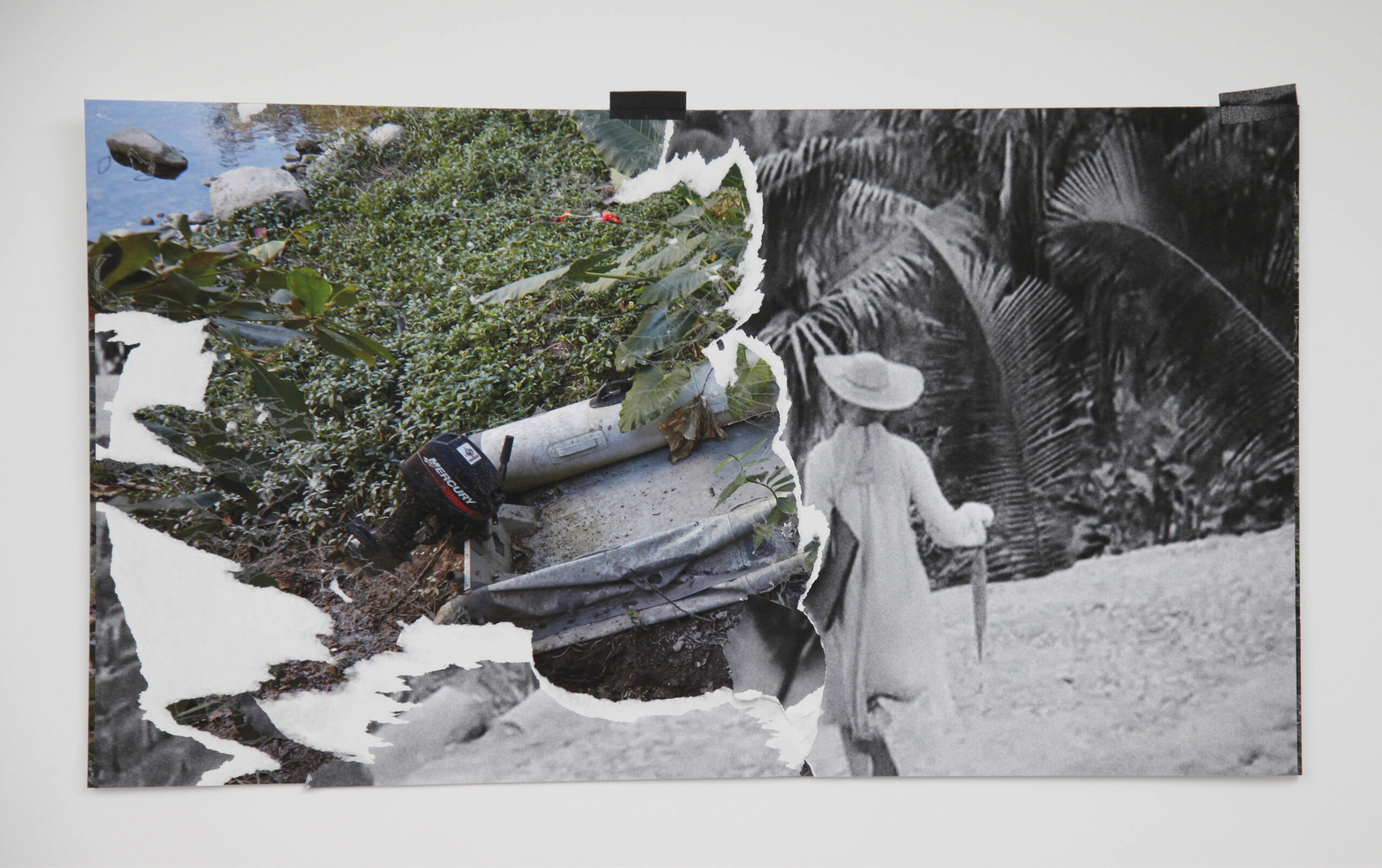
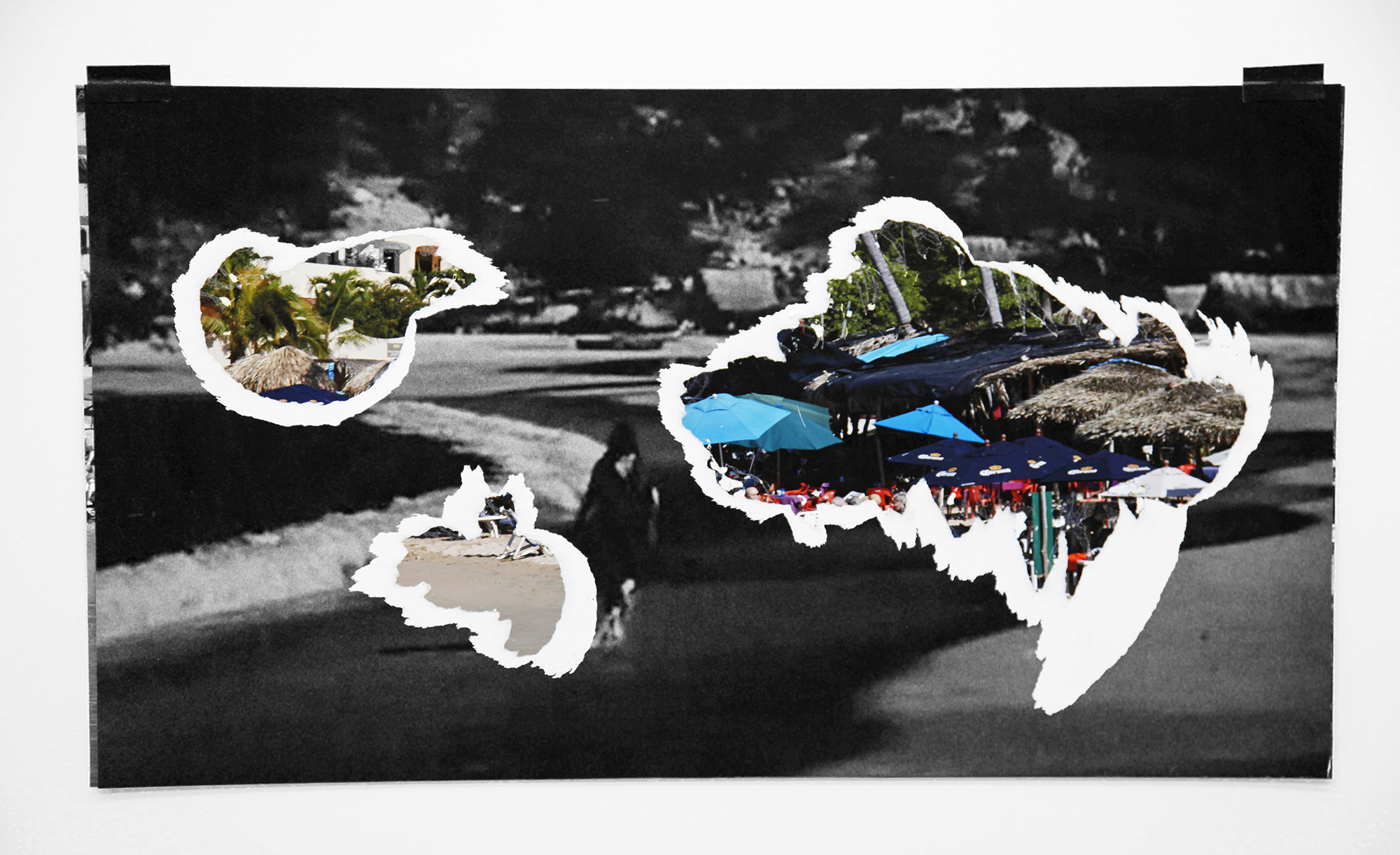
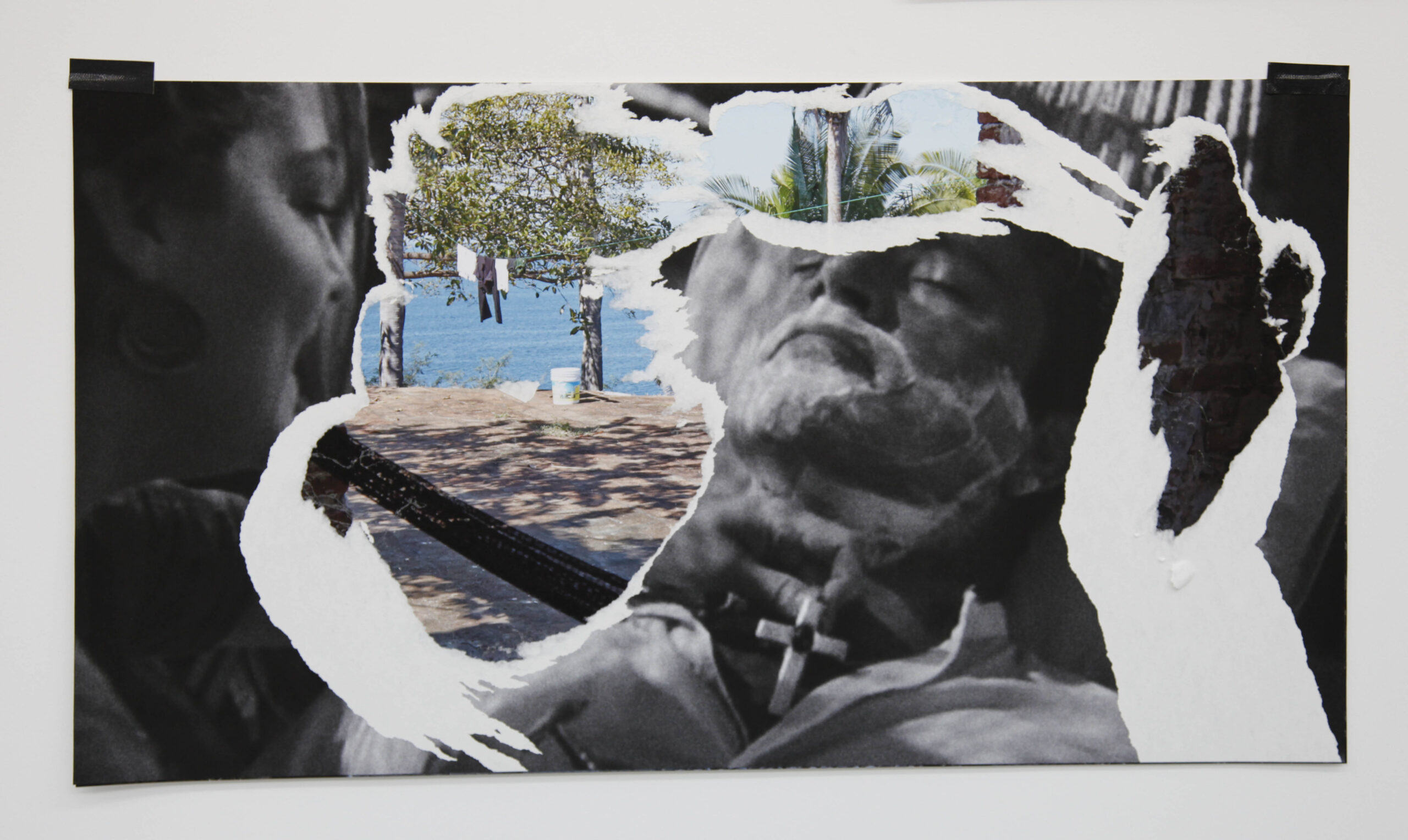
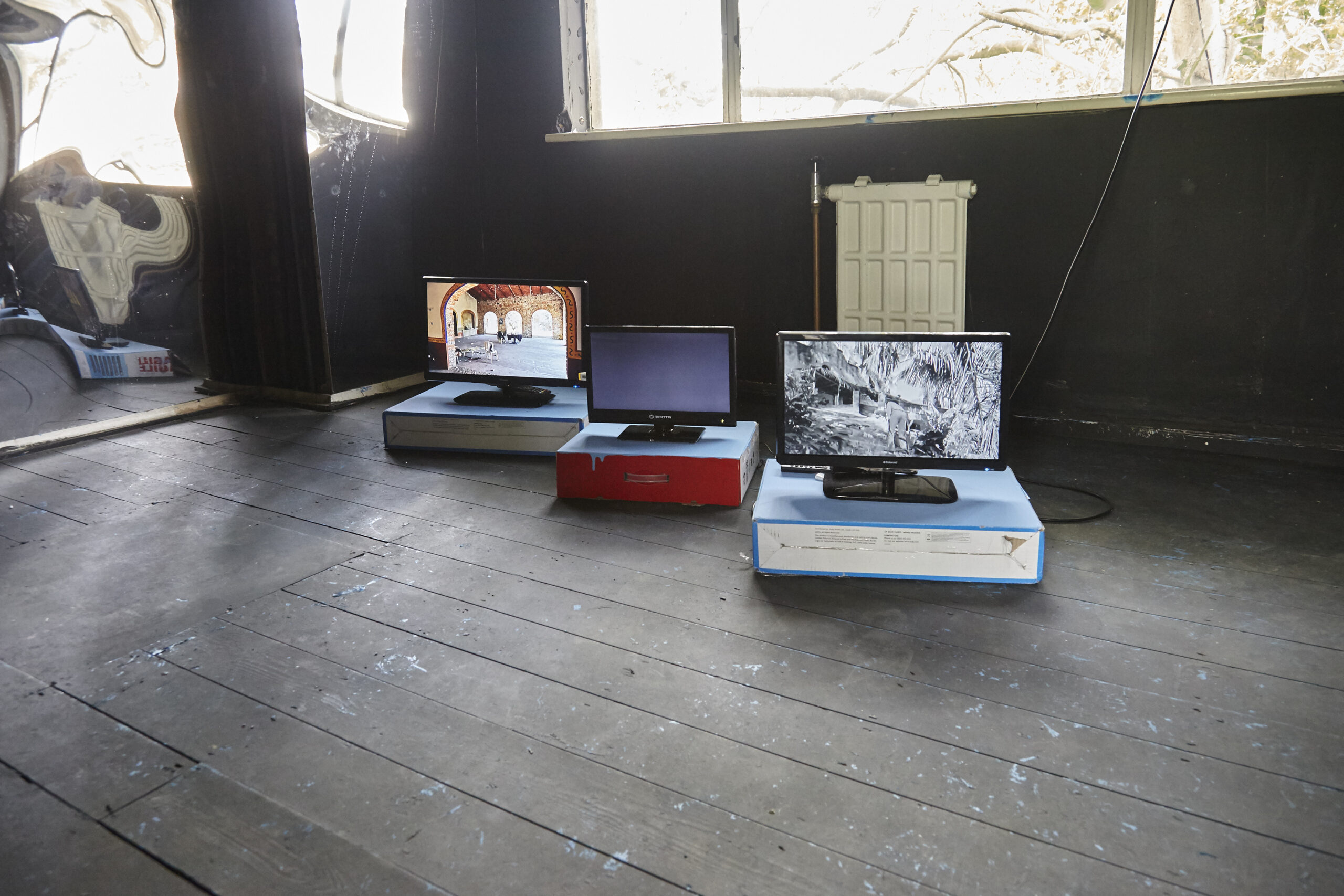
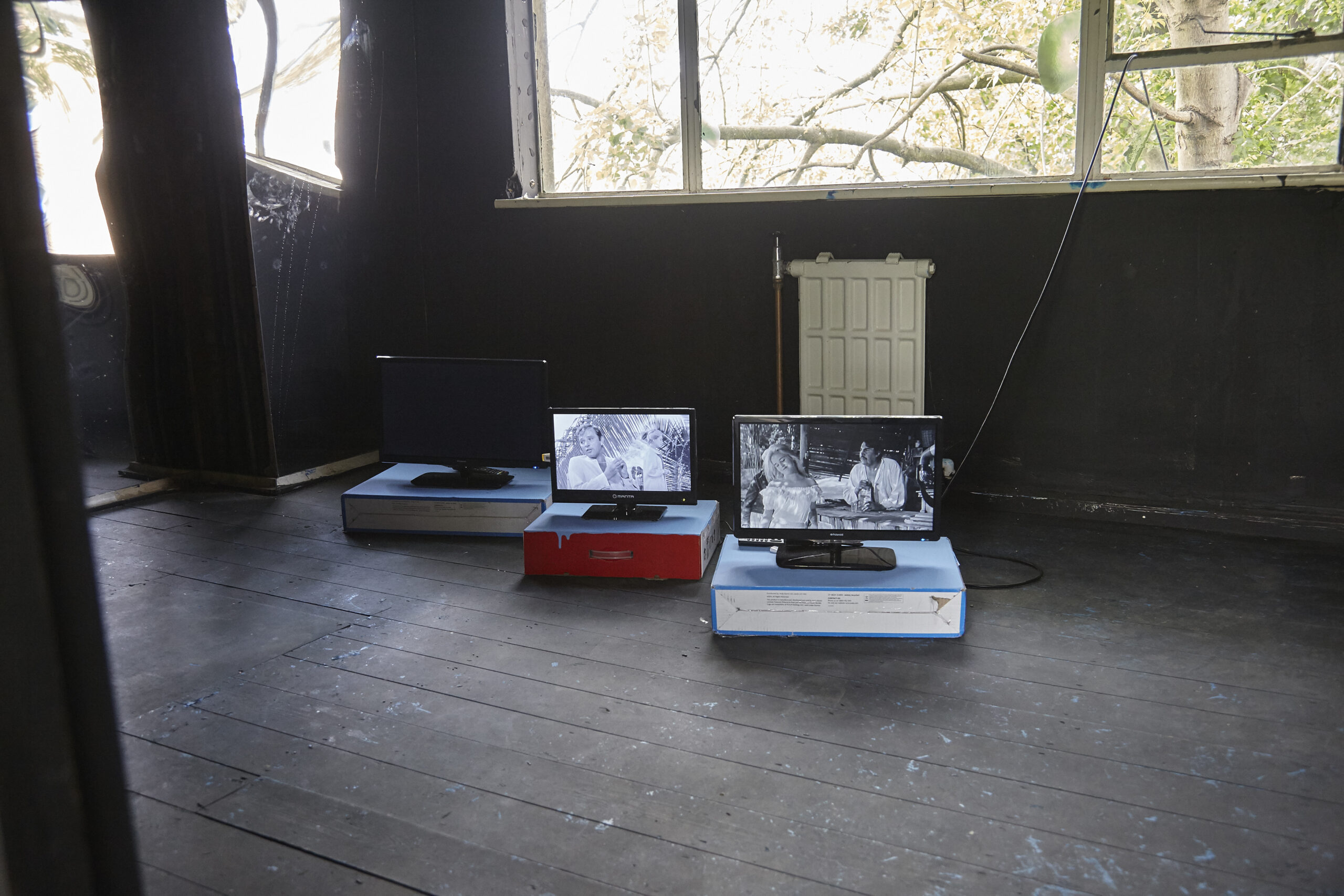
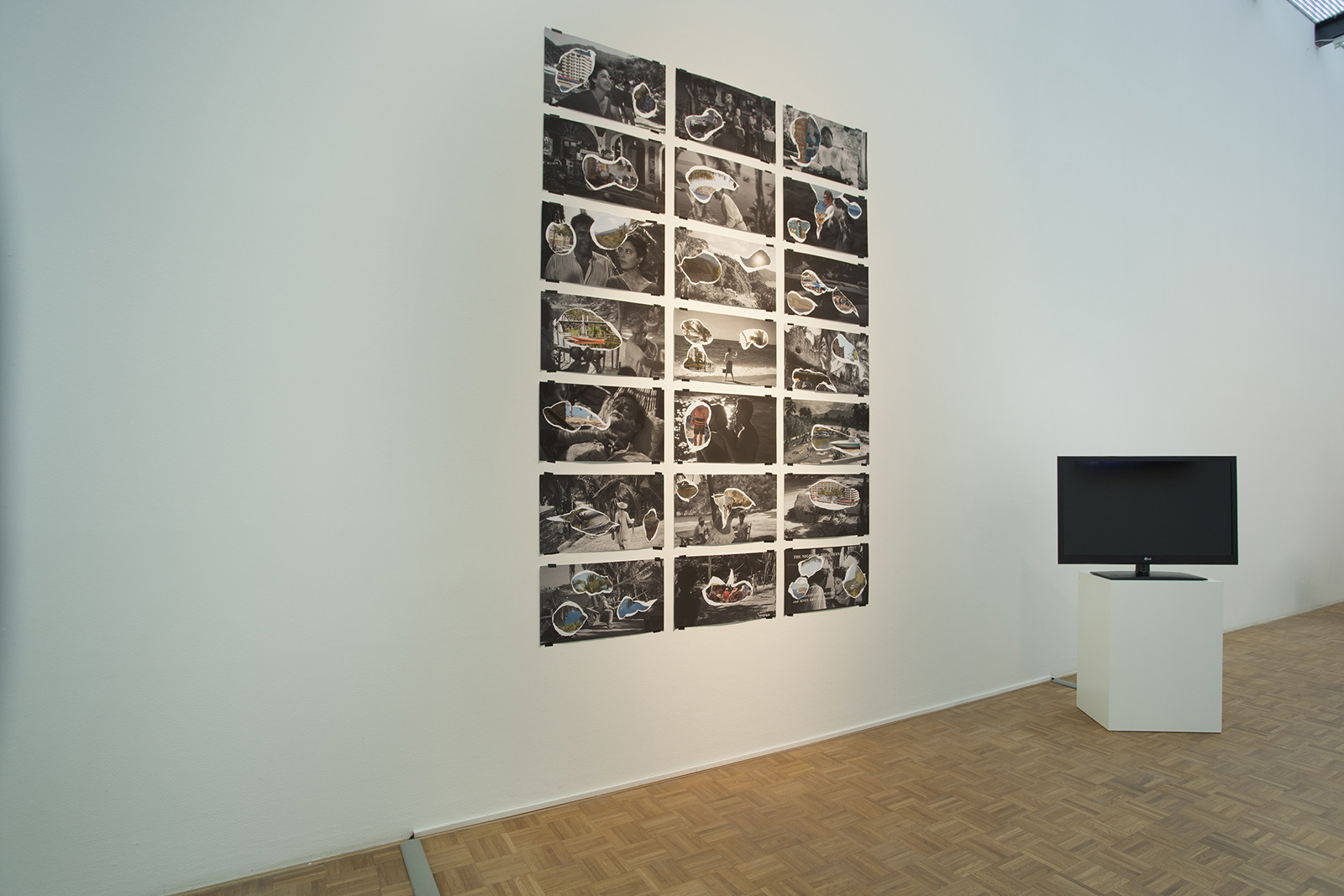
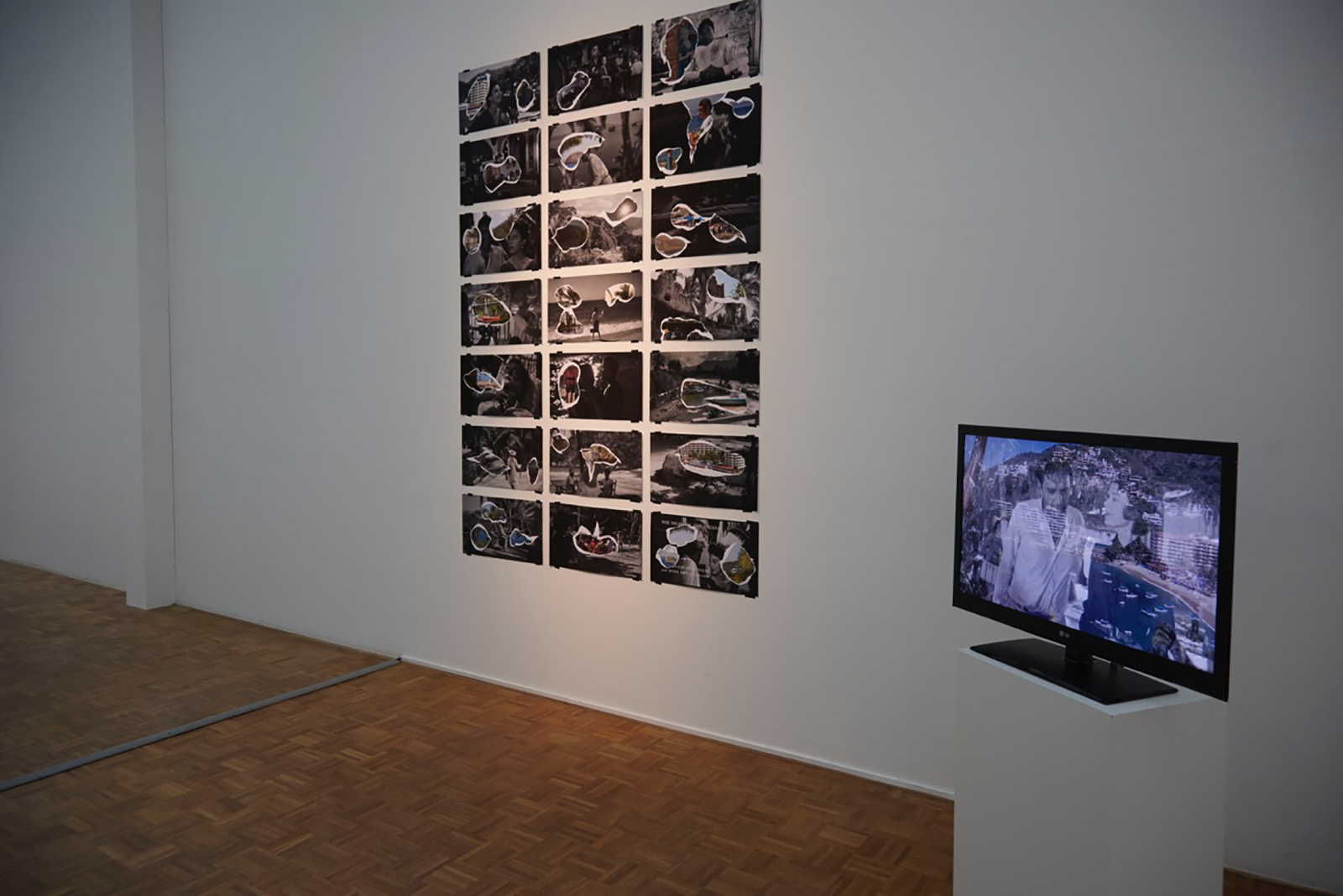
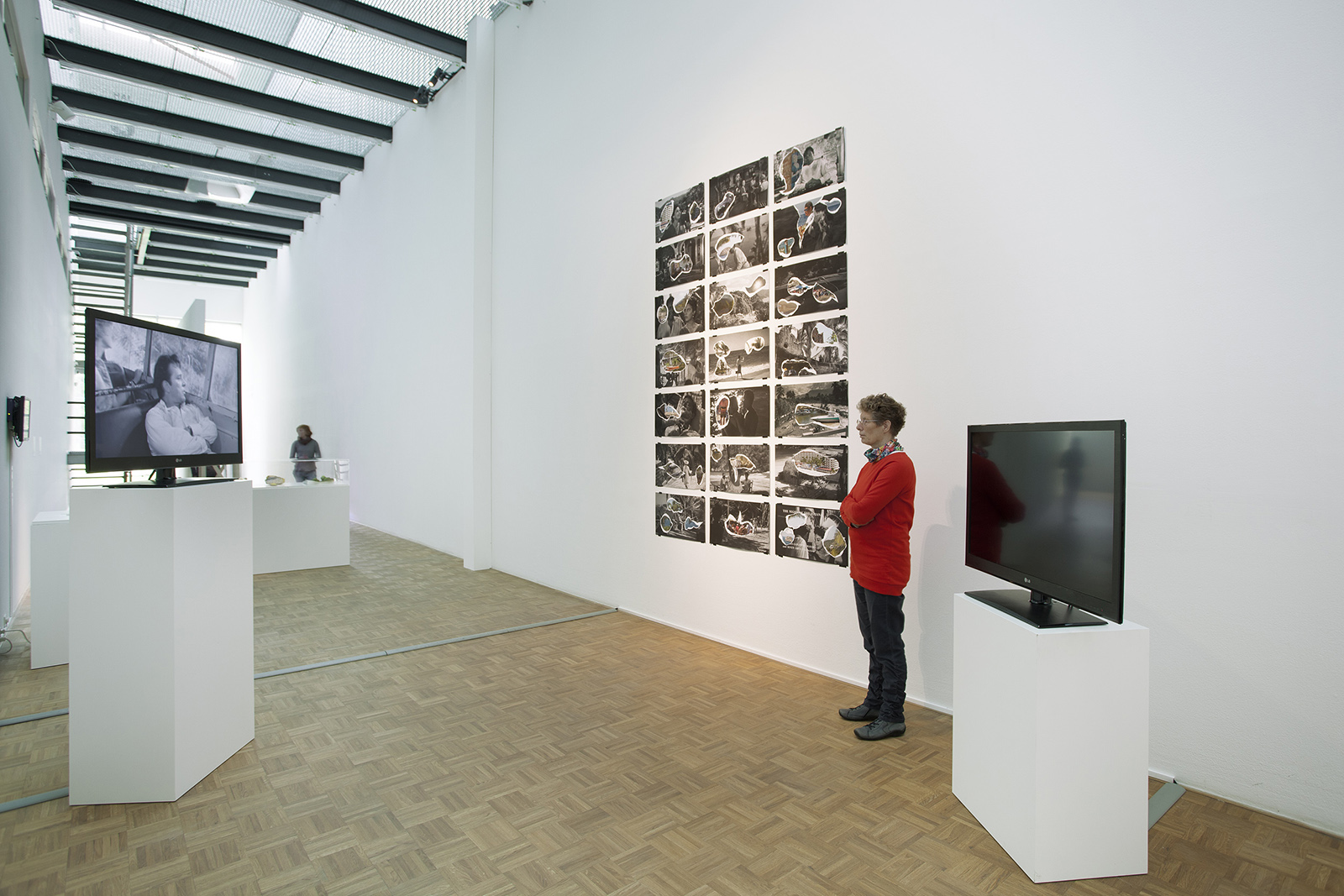
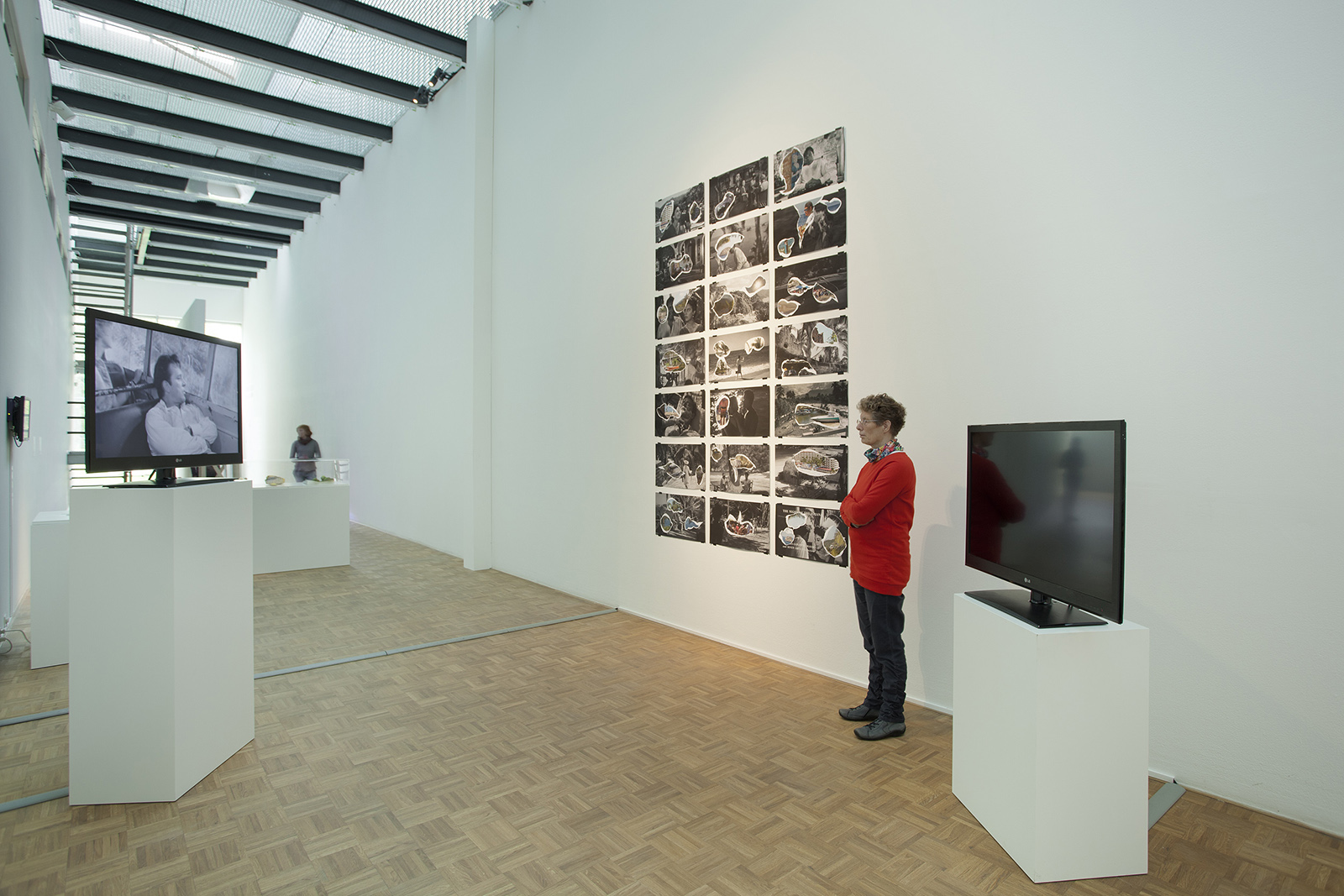
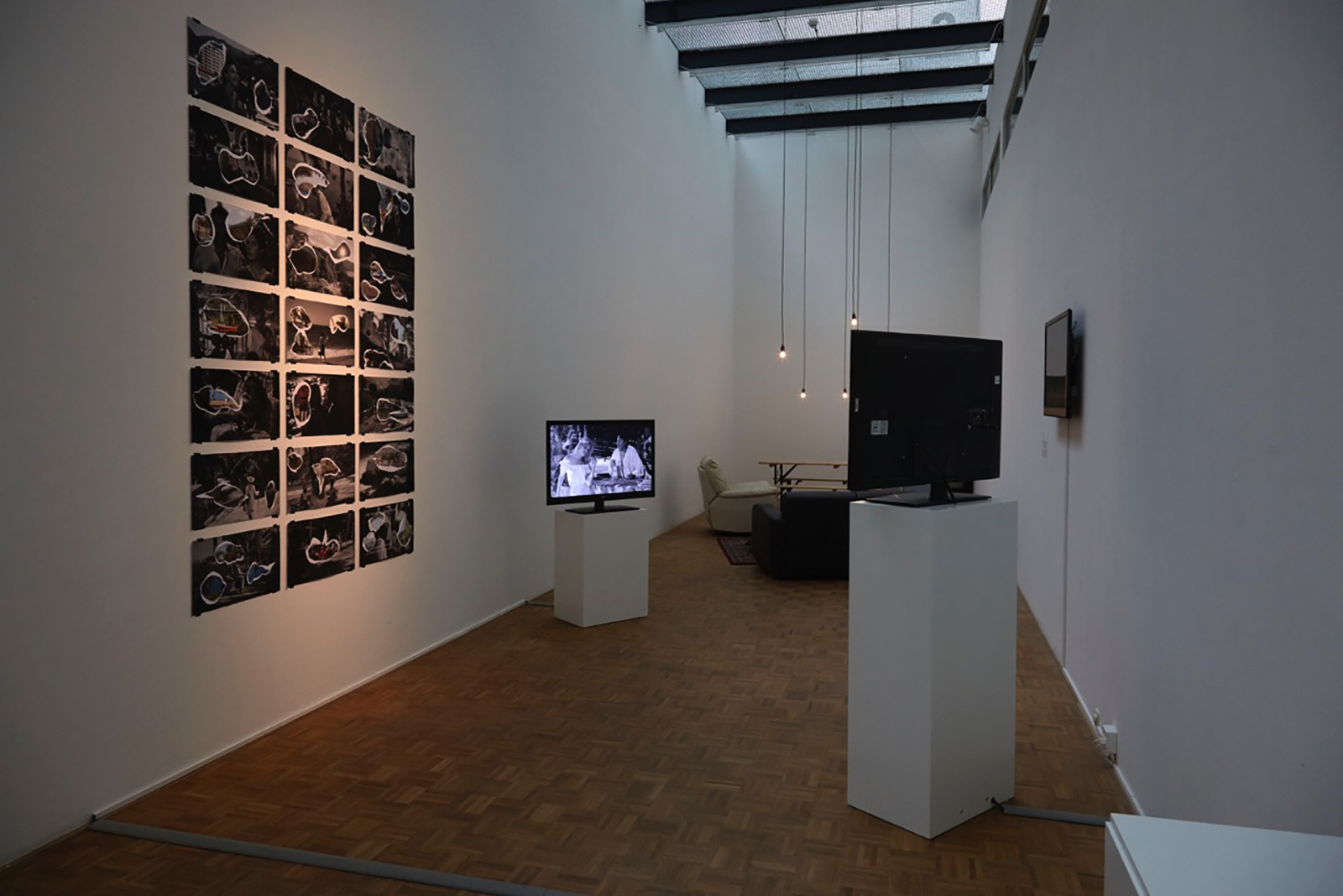
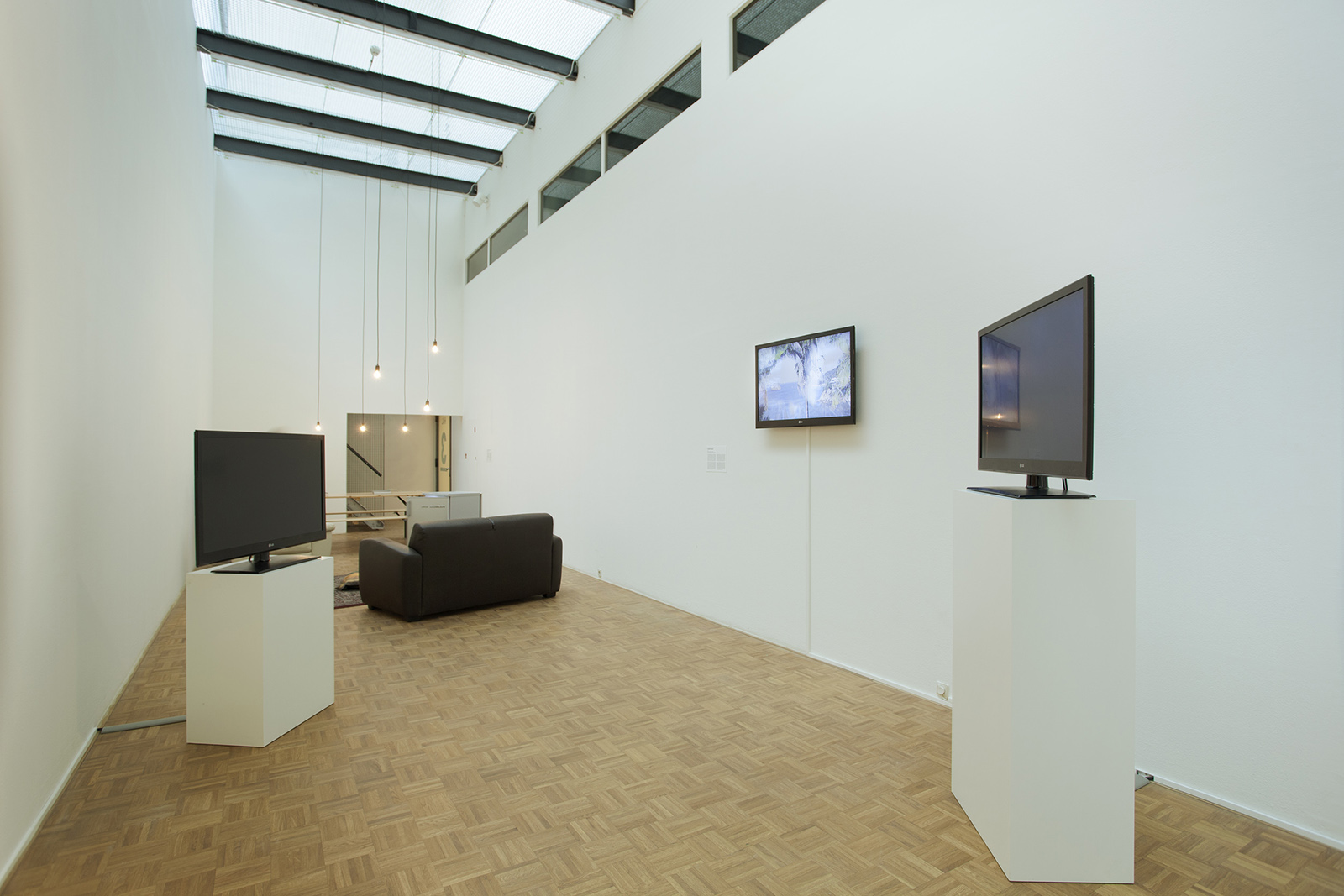
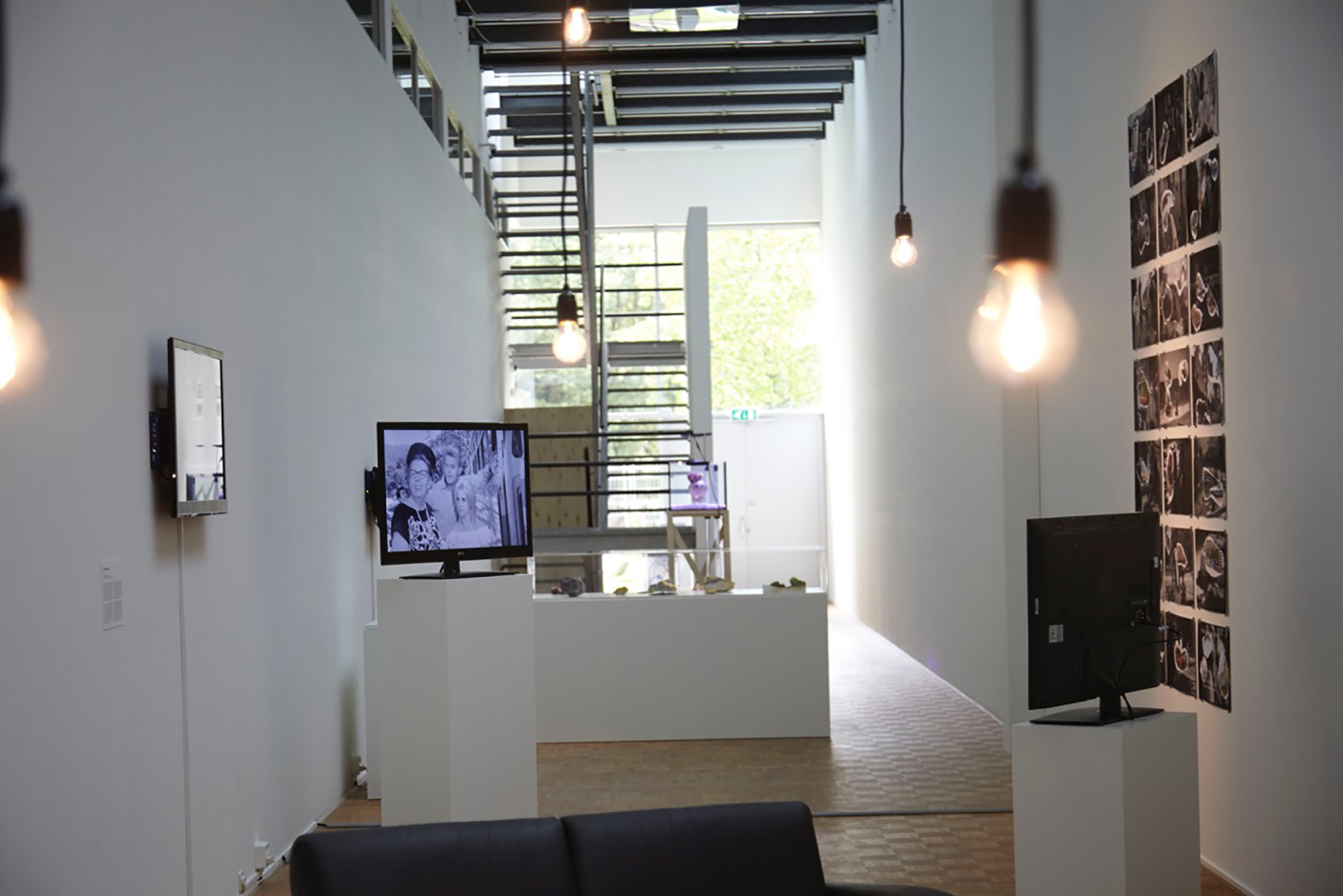
The Night of the Iguana Revisited deals with the eponymous 1964 Hollywood film, the success of which prompted developers to capitalize on the subsequent rise in tourism to Puerto Vallarta, Mexico. Over the past three years [i.e. c. 2012–2015], Mathias Kessler visited the secluded film set and nearby resort town to photograph the decaying man-made paradise, placing the present in conversation with the fading memory of its object of desire, itself a mere simulacrum of an exotic idyll. Alongside these competing versions of reality is a screenplay based on his documentation, adapted by a screenwriter (Ron Kanecke), thereby re-mediating the grotesquerie of capitalism through the cinematic machine.
The chapter places the piece directly alongside Franklin Sirmans’ essay on Gauguin (“‘Do not copy nature too much. Art is an abstraction.’”) and Kessler’s own Sunset in Simulacrum — the book’s own editorial logic groups it with the exoticized-paradise tradition running from Gauguin through mid-century Hollywood to the contemporary resort industry. The book credits the work “Film Stills” as its medium and dates the photograph reproduced there to Mismaloya Village, Jalisco, Mexico, 2015.
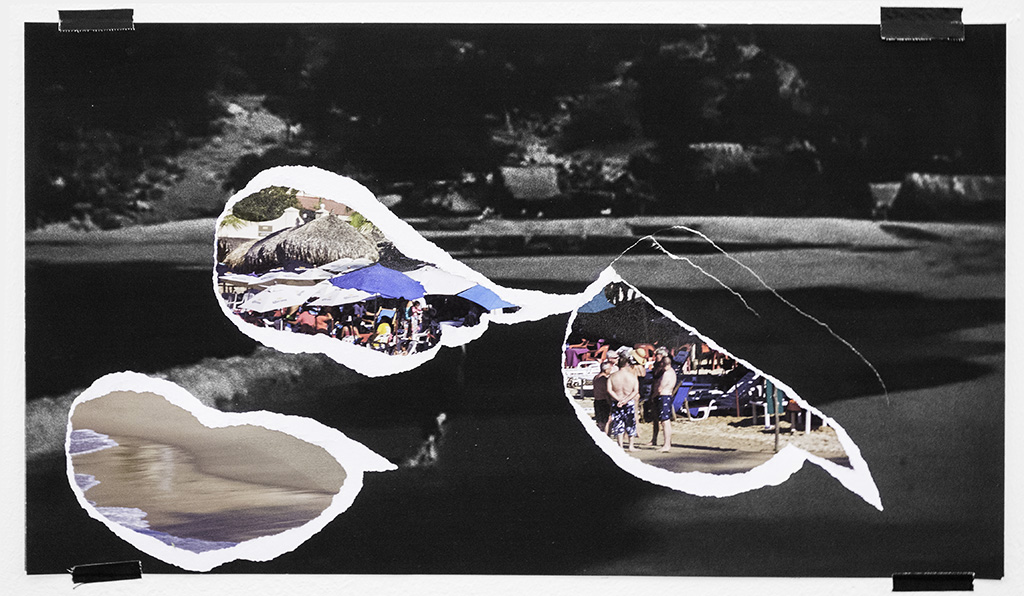
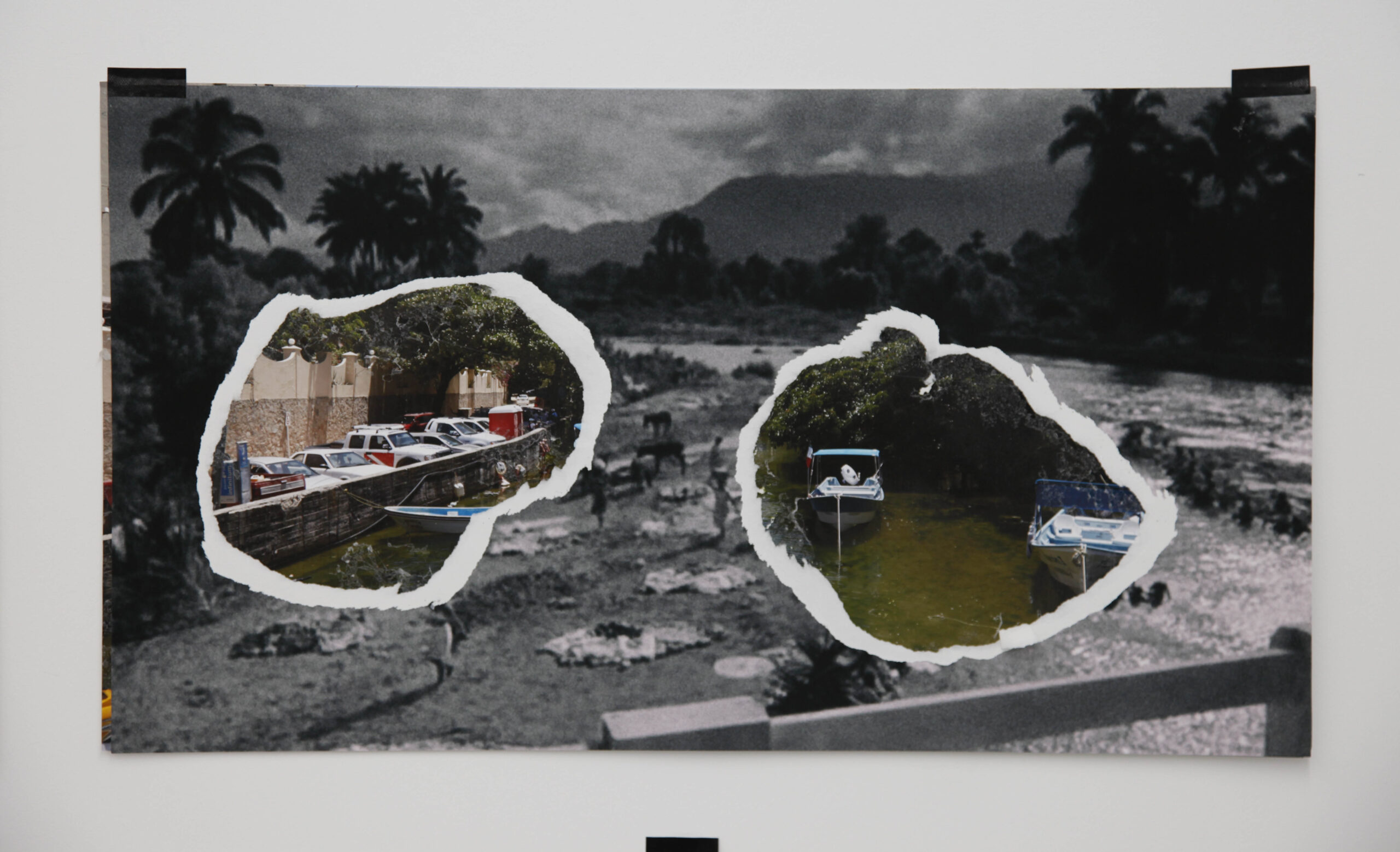
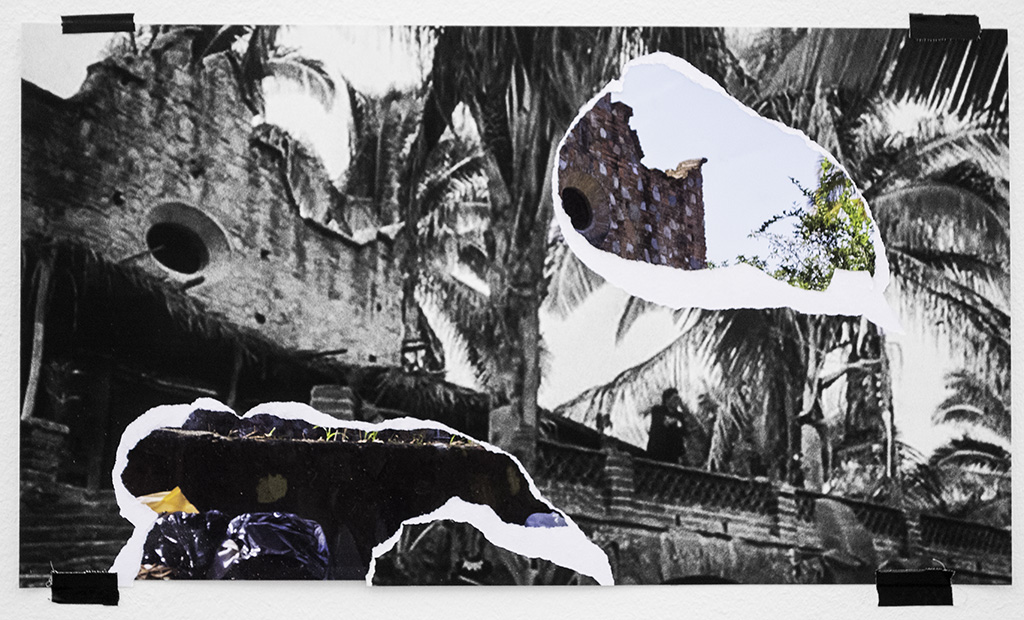
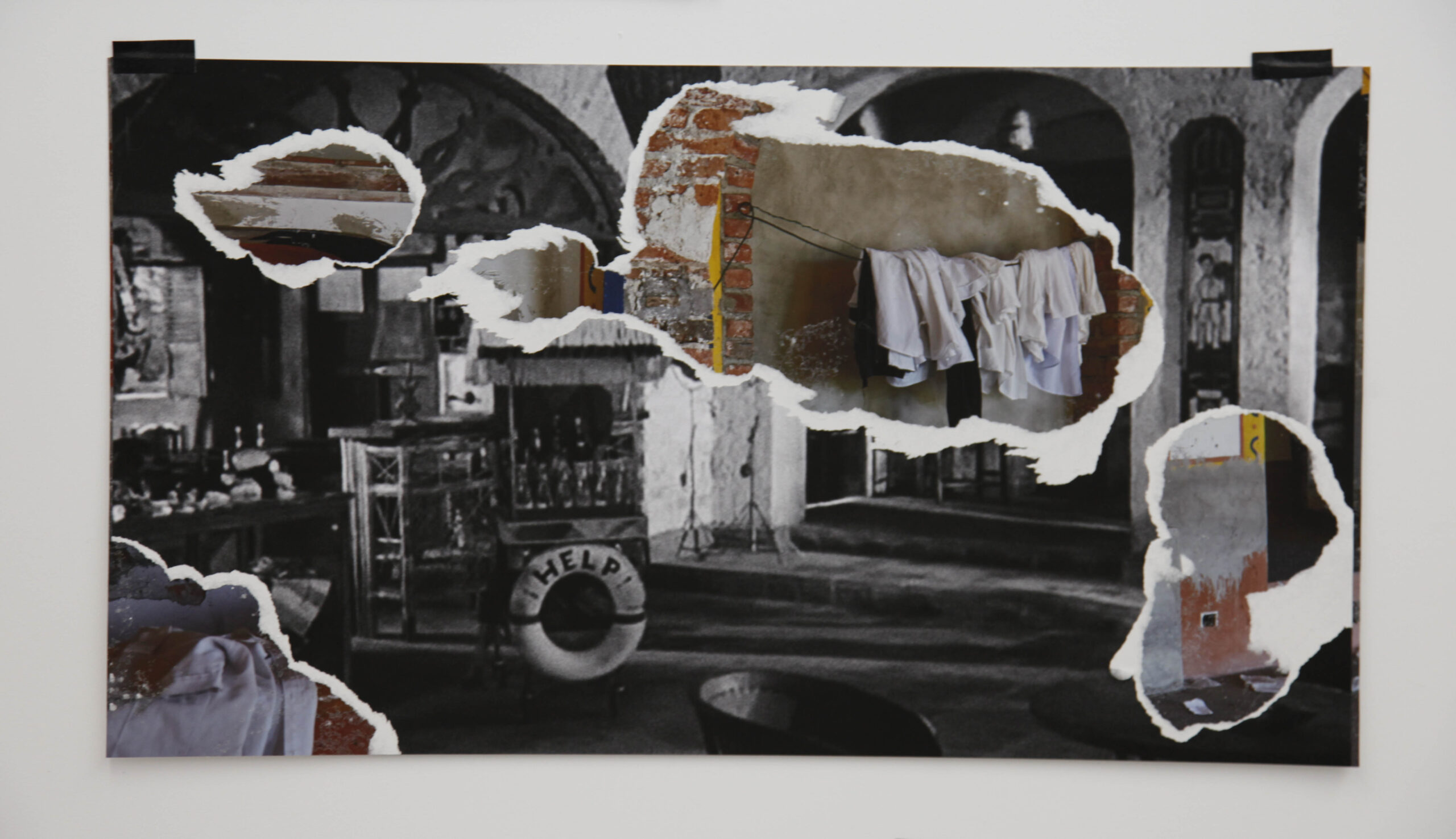
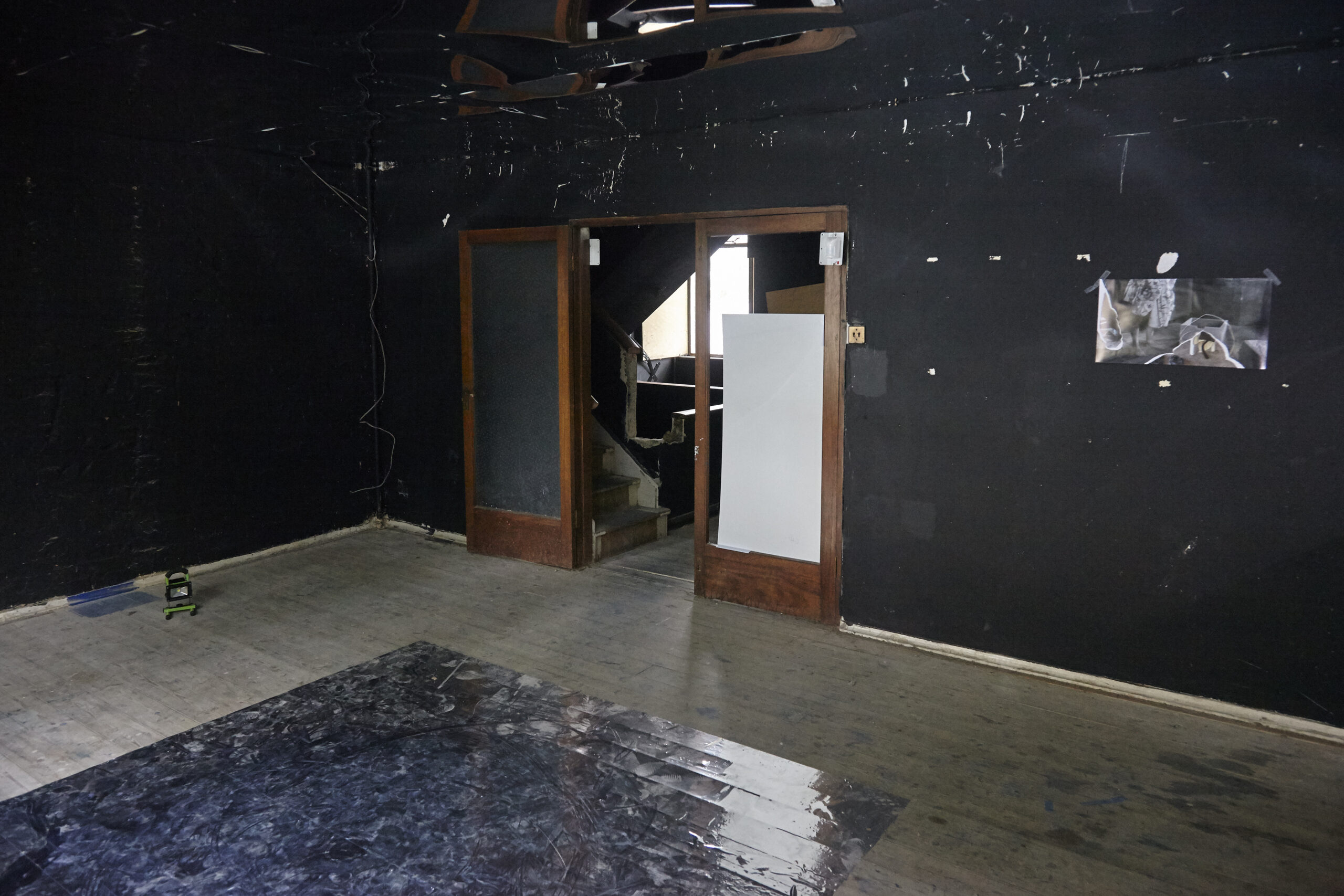
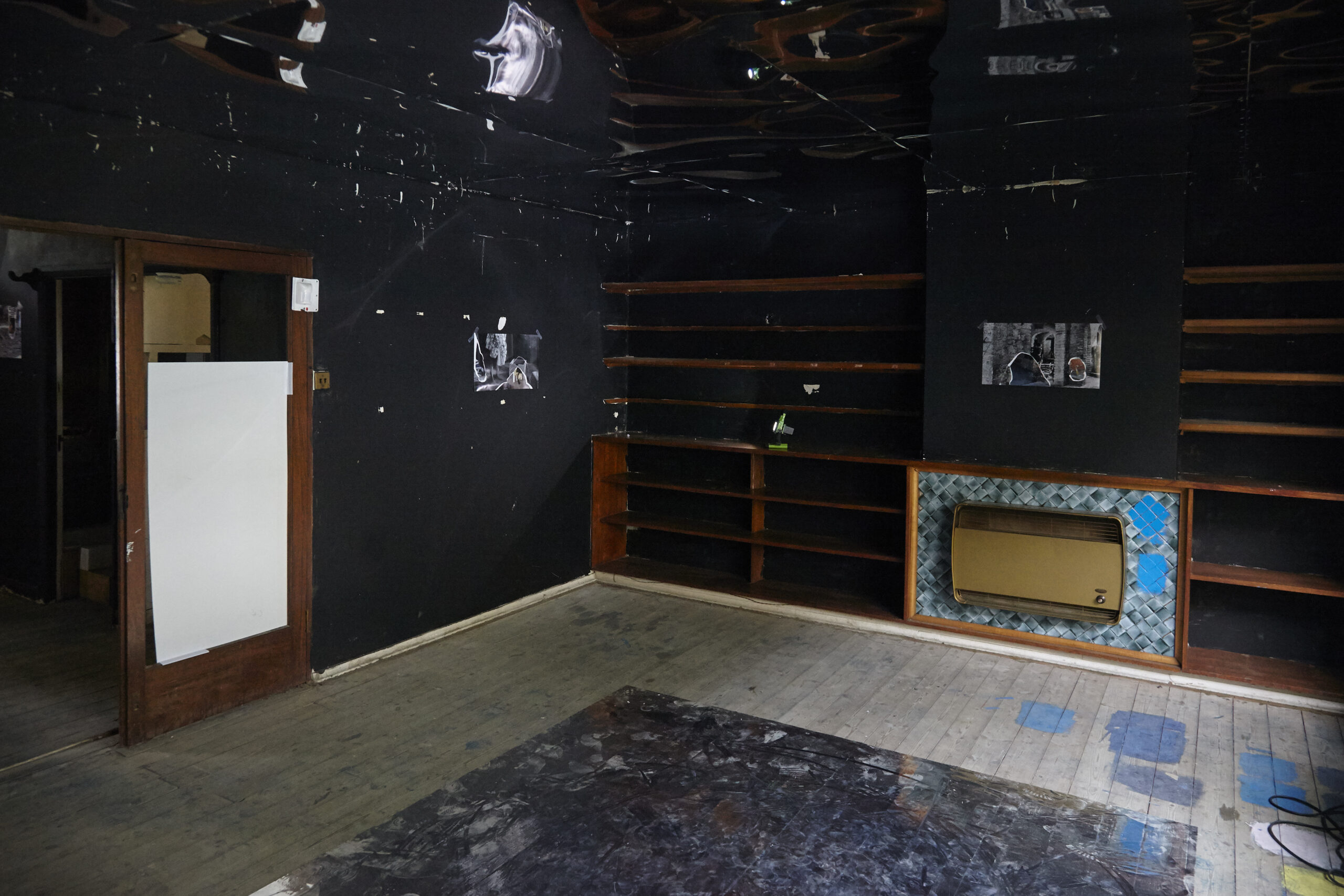
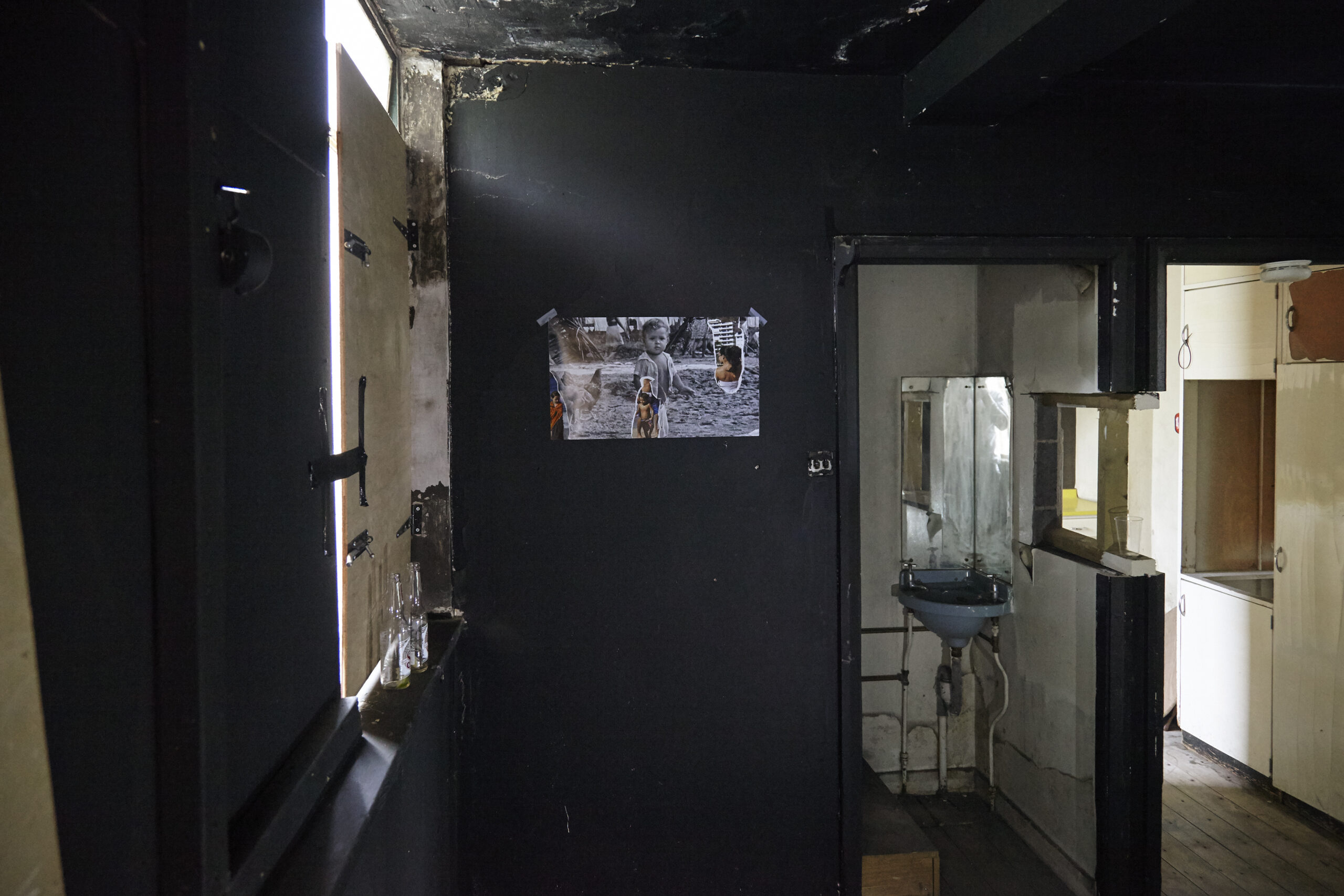
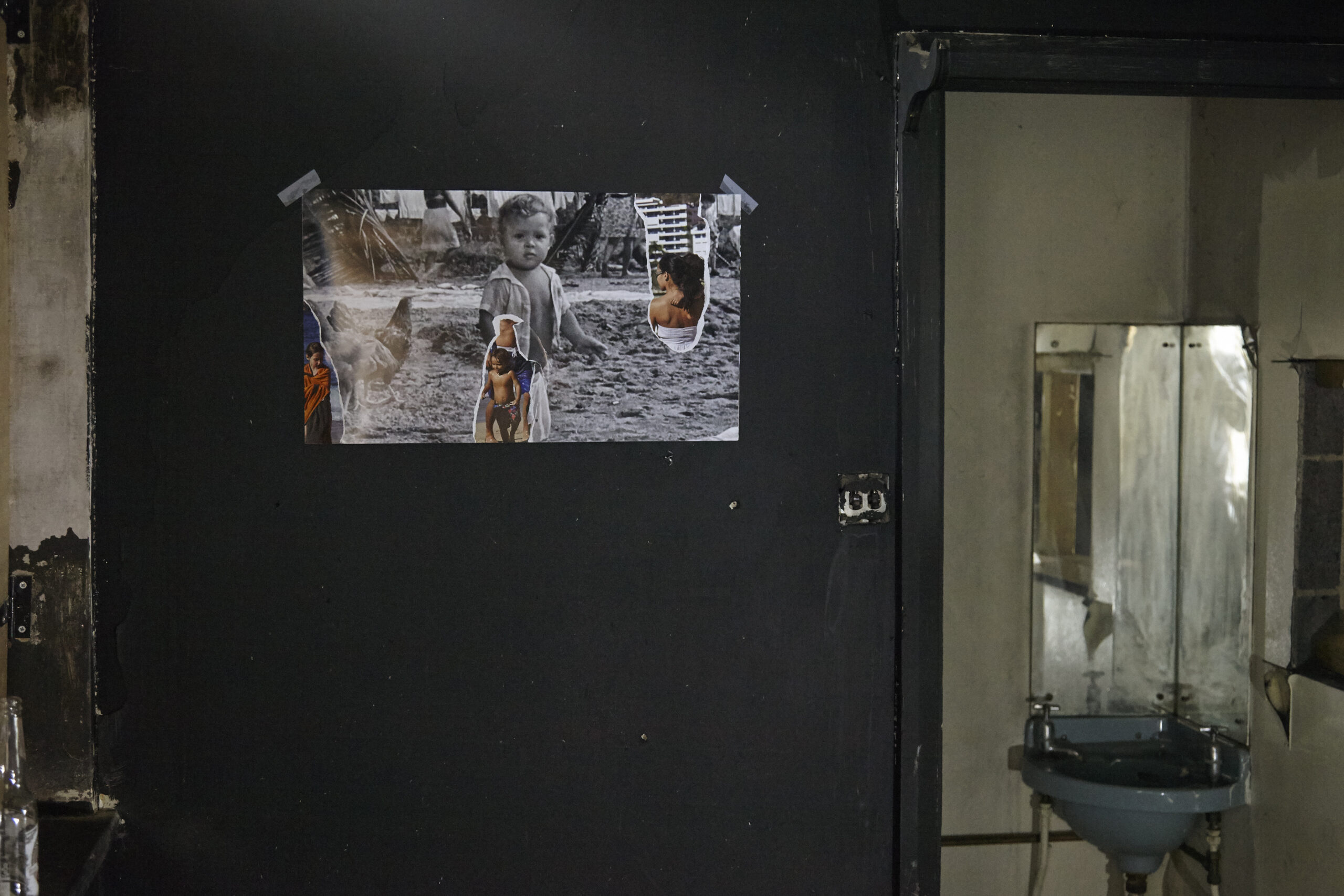
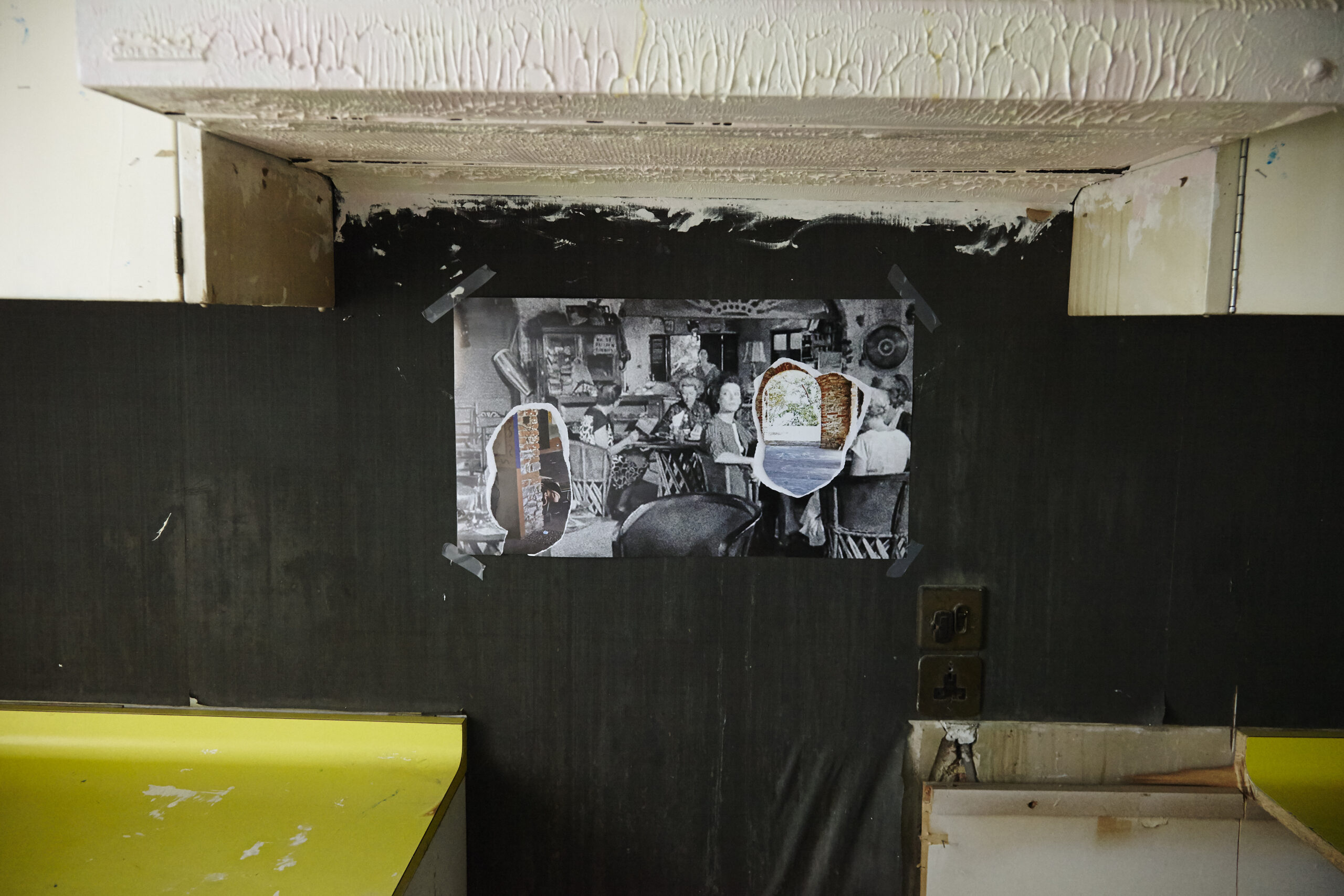
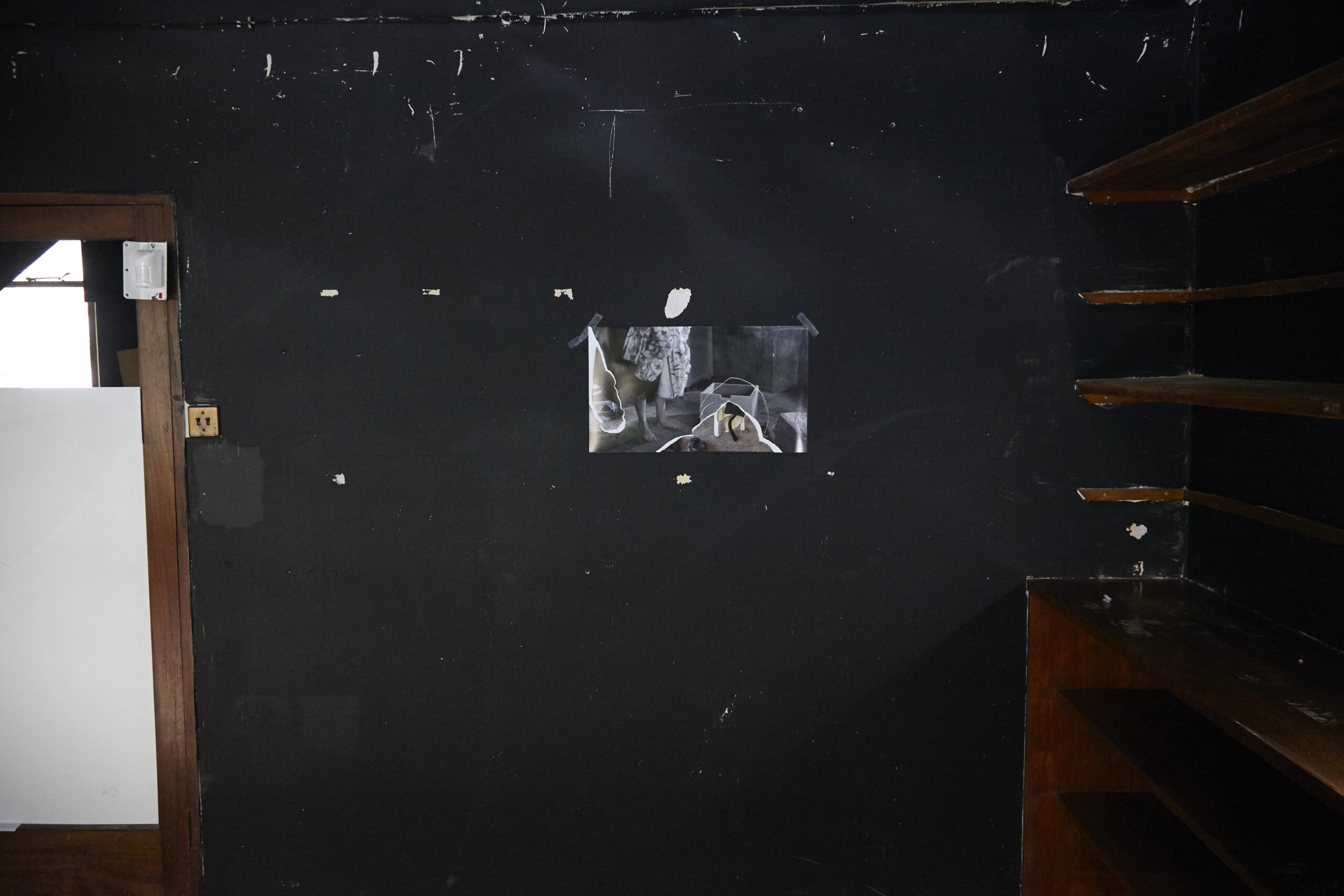
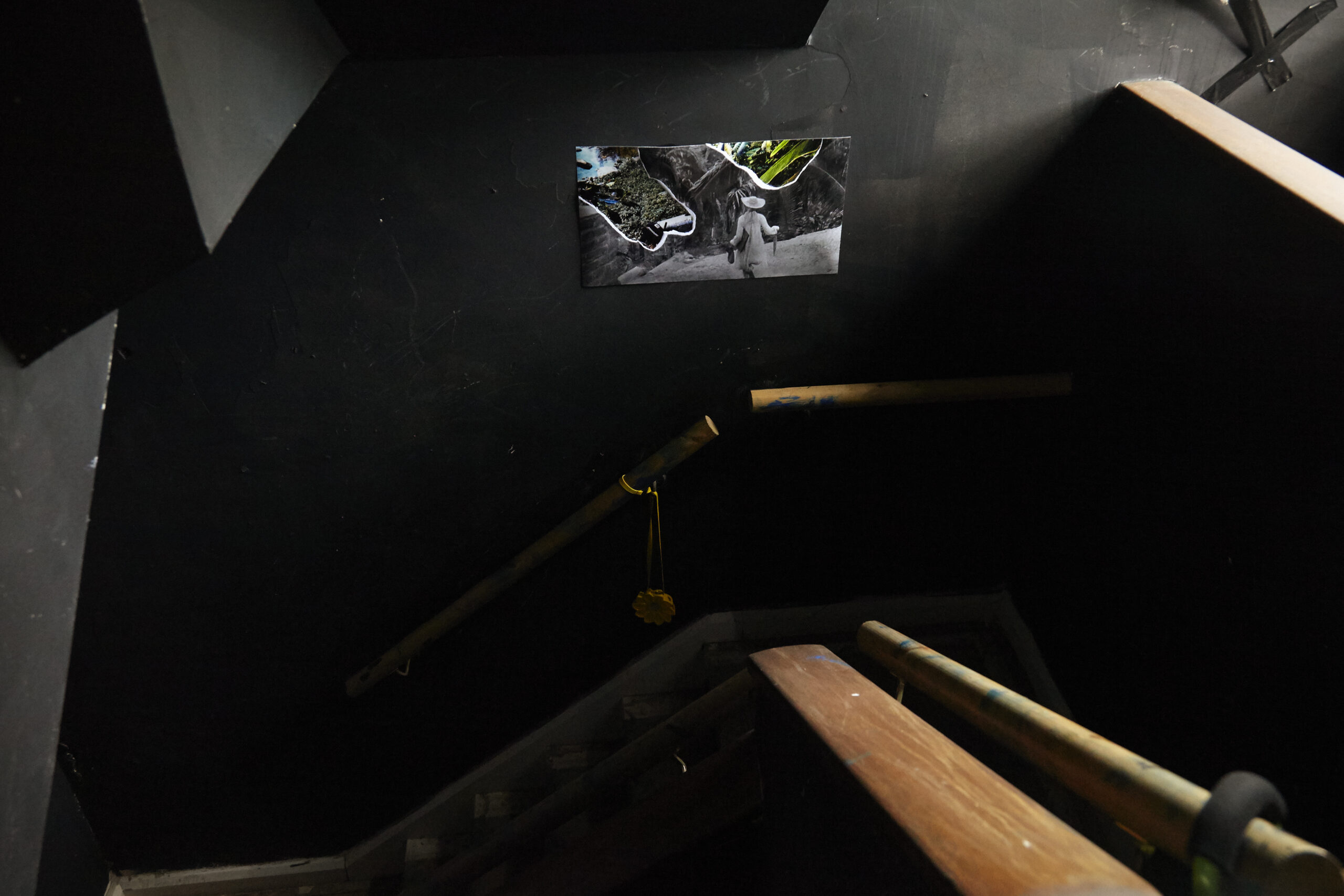
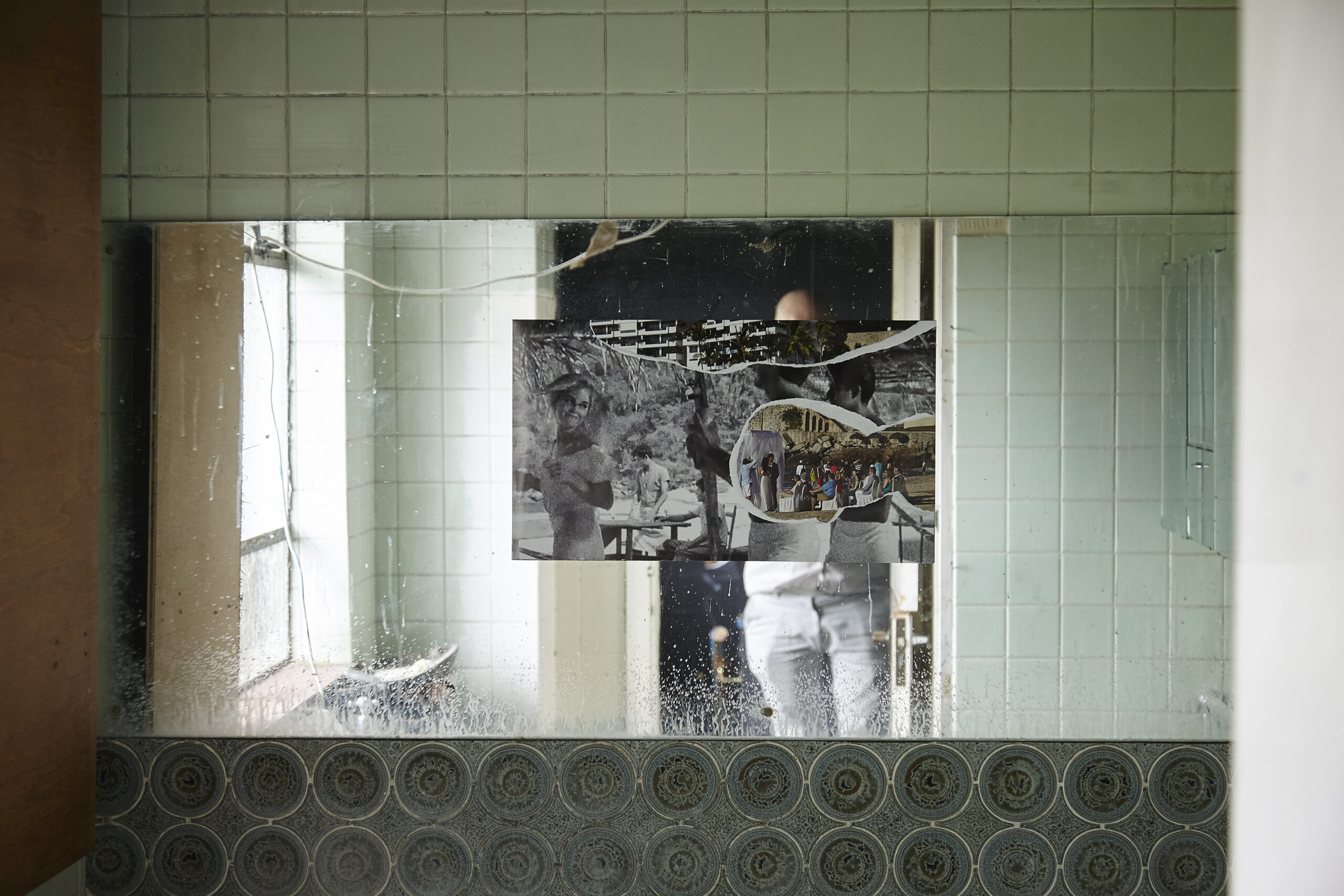
The finished collage works enact the “conversation” the statement describes literally: torn black-and-white publicity stills and location photographs from Huston’s film are taped directly to the gallery wall, then torn open to reveal a second, smaller photograph underneath: color, contemporary, unmistakably present-day. A wedding party under a rented beach canopy. A man posing tourists with a pet iguana for tip money. Household garbage dumped against a ruined brick archway, palms growing up through it. A hotel tower and marina crowding the same bay the film once shot as untouched wilderness. The raw studio-collage aesthetic — masking tape, torn edges left visible rather than cleaned up — reads as the “documentation” the statement describes rather than a polished, finished object: diagnosis, not spectacle.
Works
Rise Projects, London, 2015
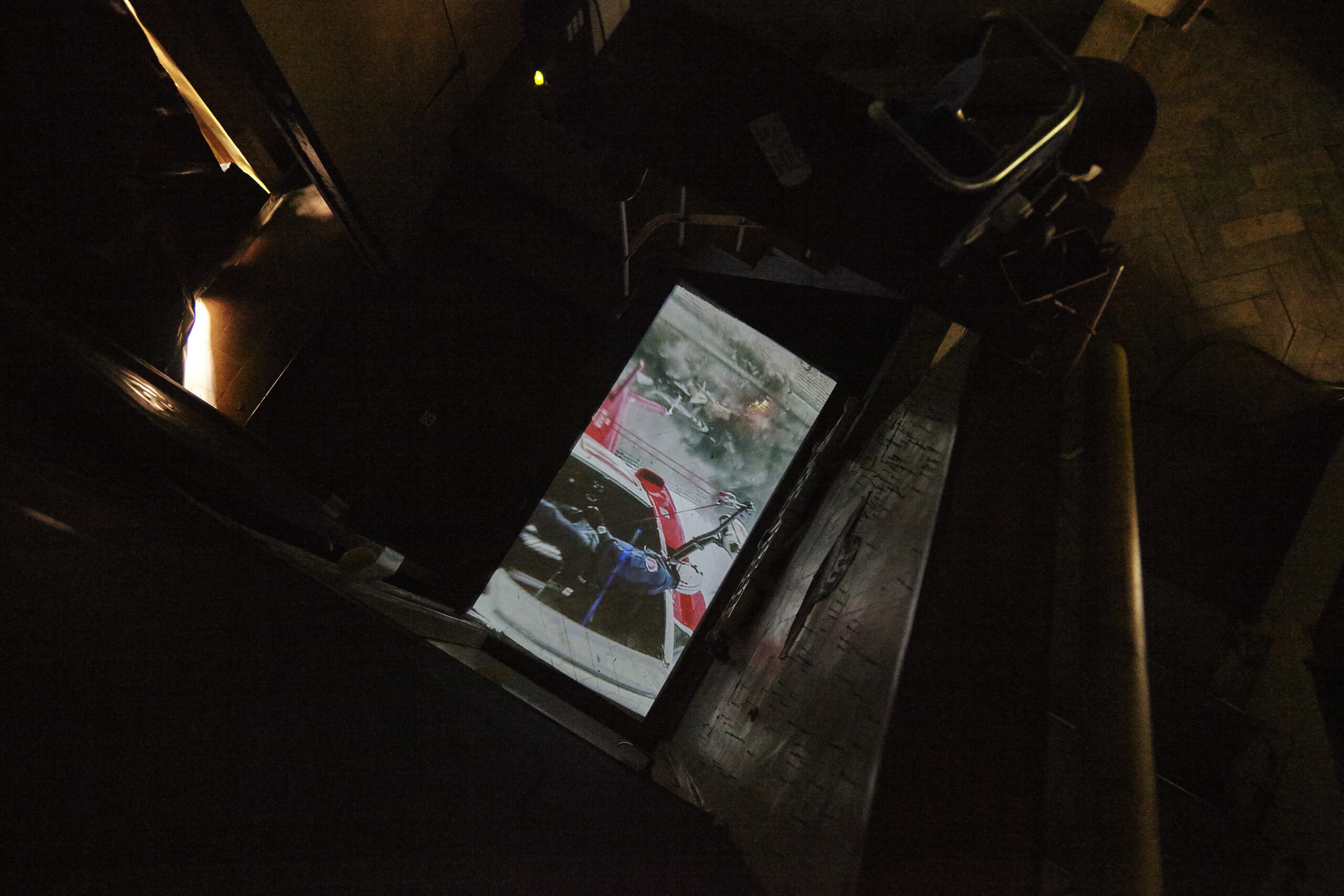
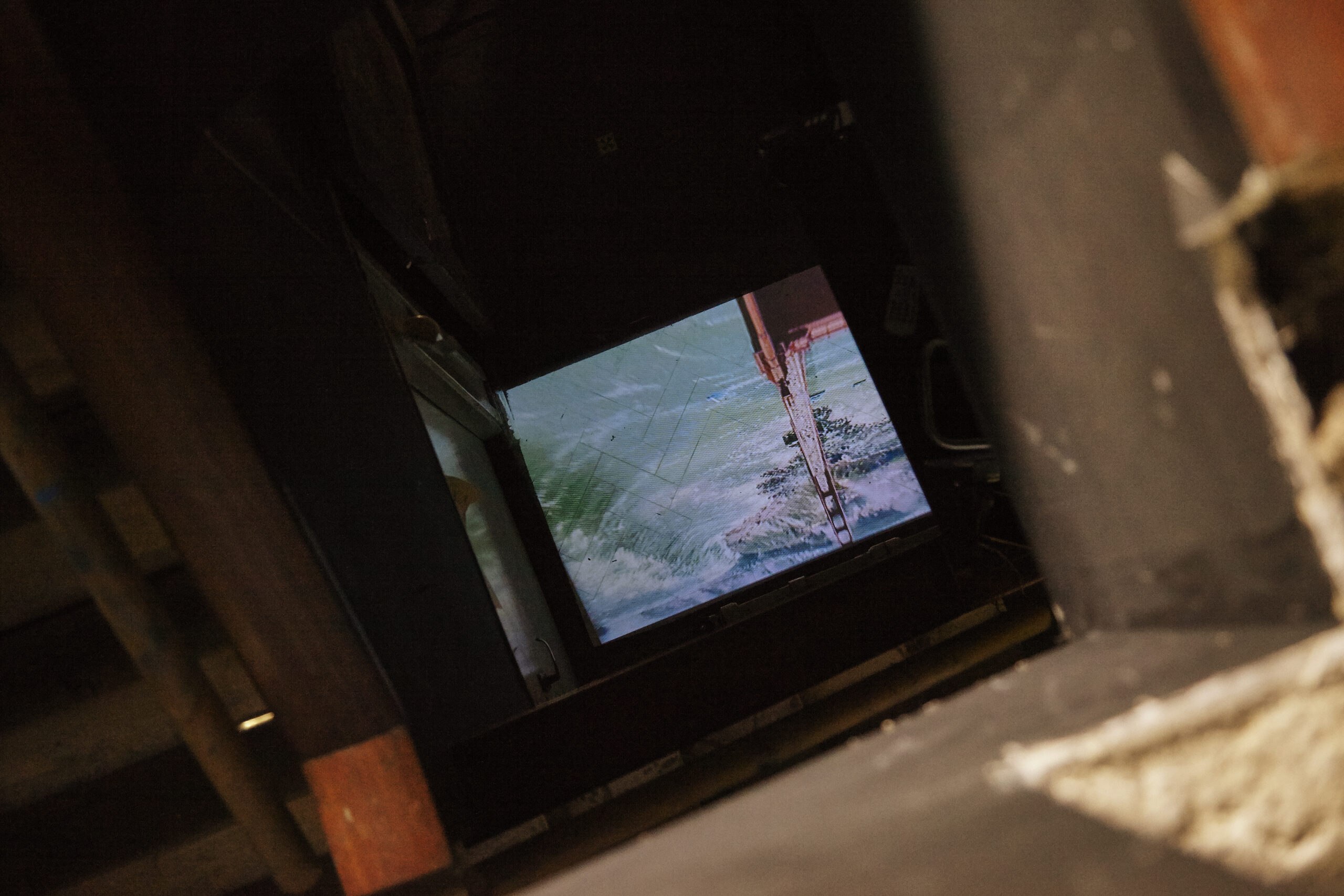
Kunsthal Rotterdam, 2015
Galerie Heike Strelow, Frankfurt, 2016