In 2004, after a string of natural disasters and ongoing media scares about global warming, I began investigating how we perceive and encounter landscape subjects—icebergs, mountains, islands, glaciers, mines—as they undergo transformation. I created a body of work centered on Staging Nature, where these dramatic landscapes serve as the primary subjects of my visual and conceptual inquiry.
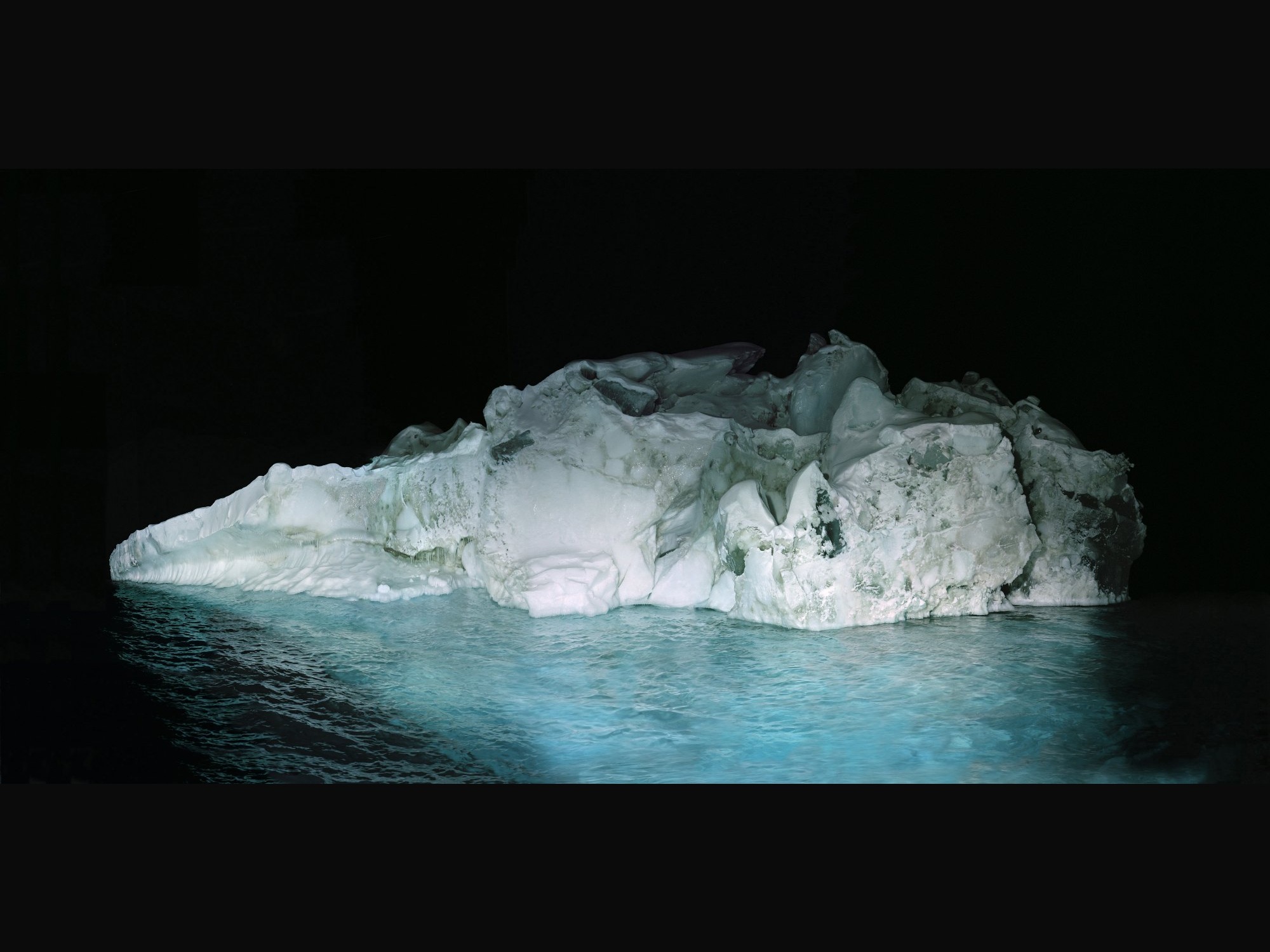
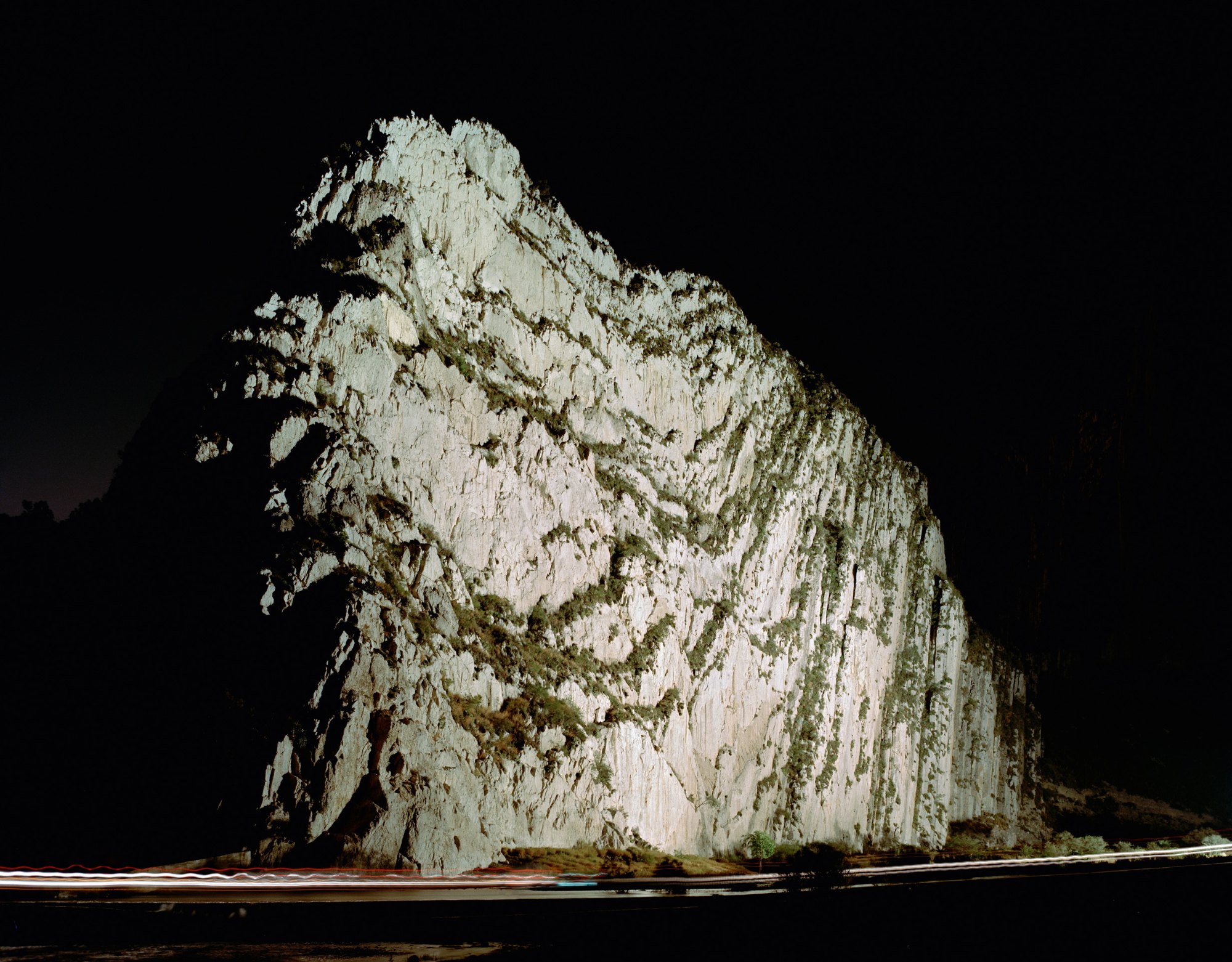
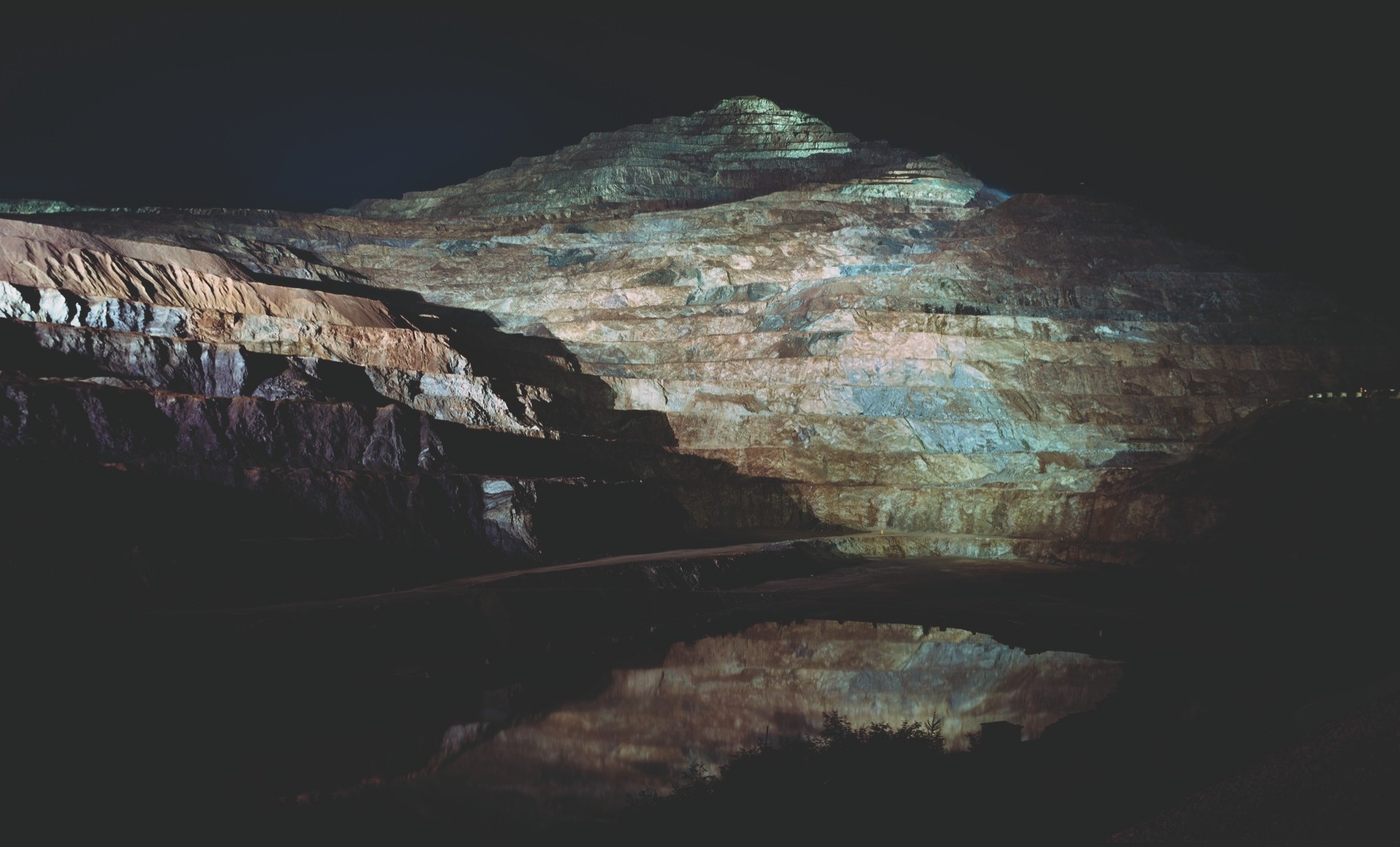
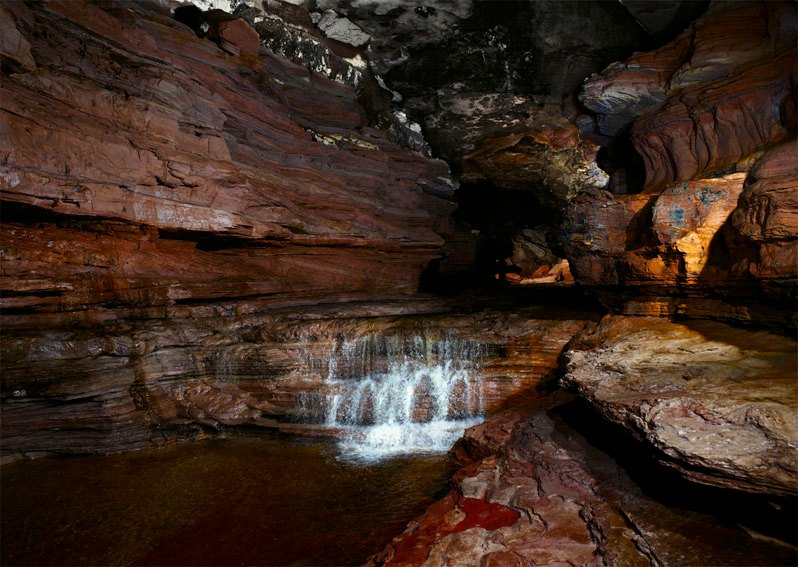
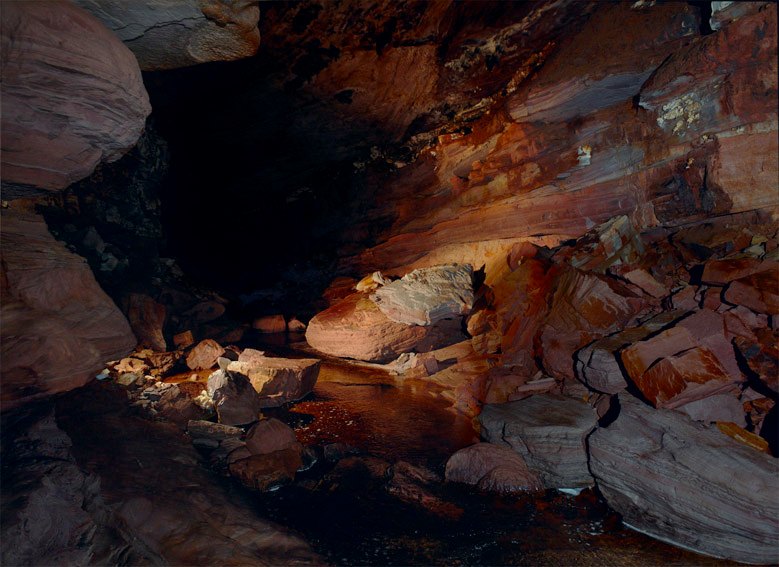
My first works explored the notions of photography and landscape. In one of these series, Secluded Nights, I explored distinct landscape subjects across islands off the Pacific Coast of Mexico, La Huasteca National Park in northern Mexico, and the iron ore deposits of Erzberg, Austria. I based these works on the theories of the American photographer Ansel Adams and his requirements for the ideal landscape photograph, specifically exploring his ideas of sharpness of detail and clarity of vision. At night the air cools, the heavier particles that haze the daytime sky settle to the ground, and the atmosphere turns exceptionally clear: distant details, an electricity pole miles away, render with a hyperreal, almost unnatural sharpness. All that was missing was light. Using high-powered commercial cinematic lighting, under the cover of darkness, I staged nature far away from light pollution and the glare of cities.
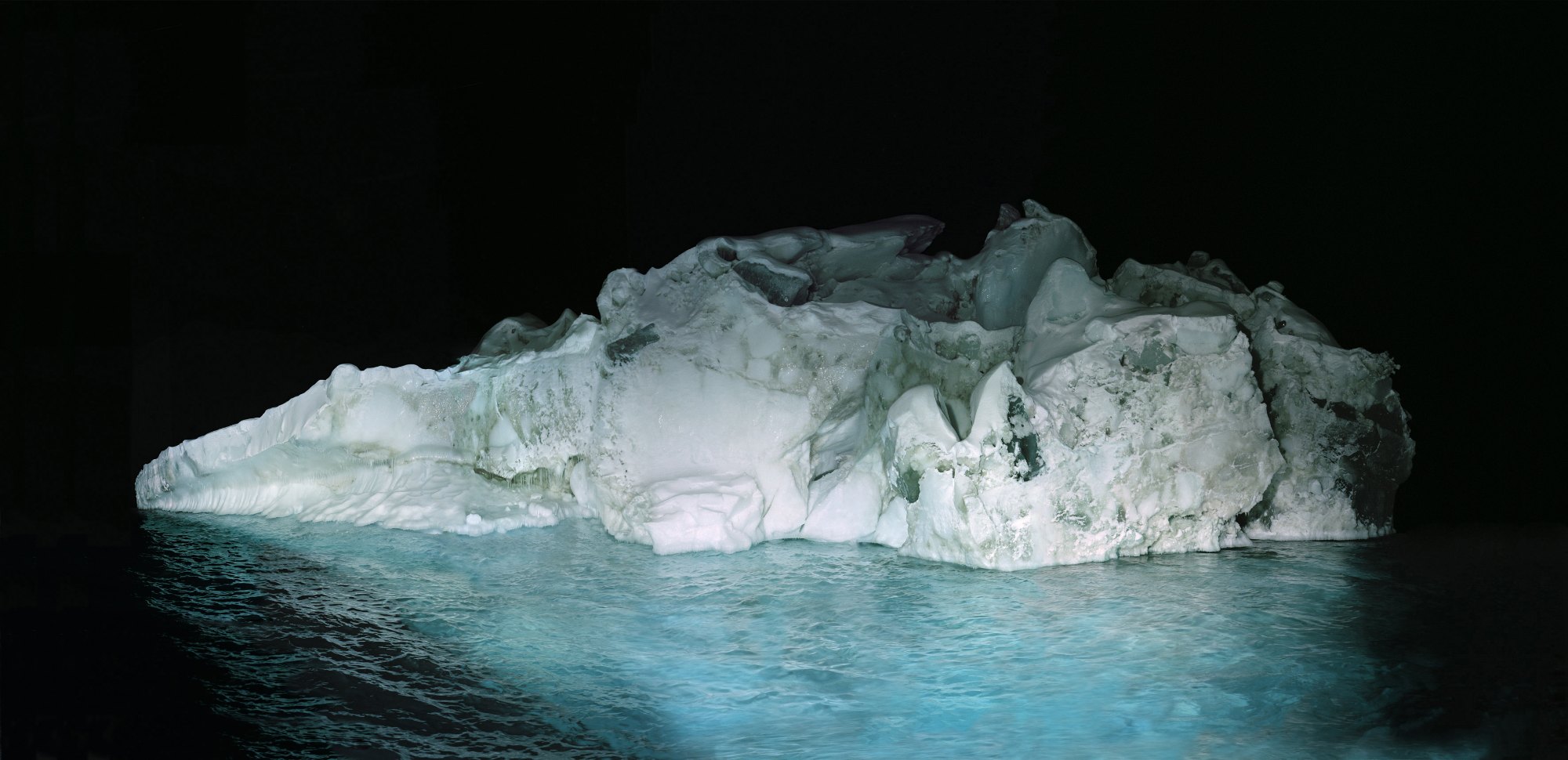
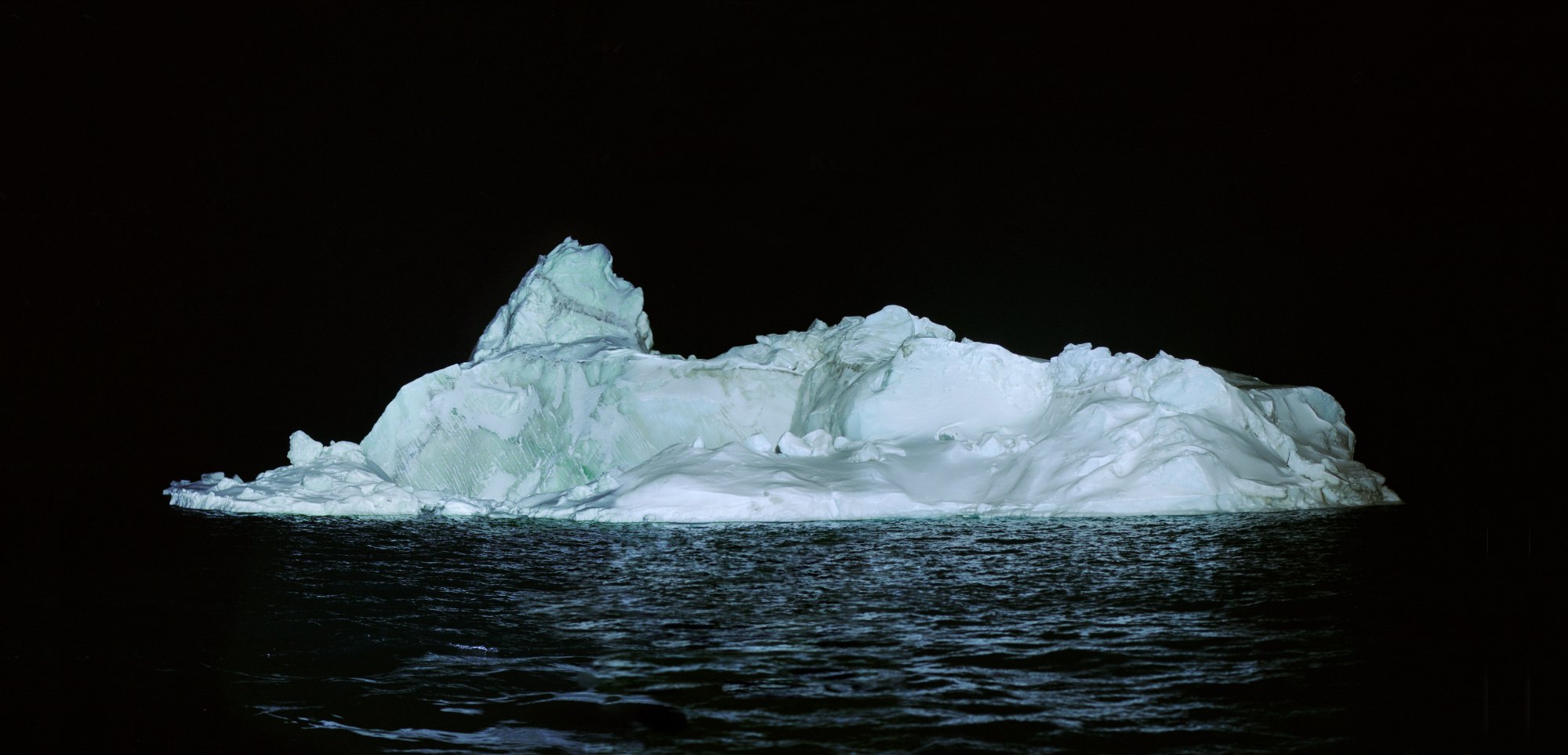
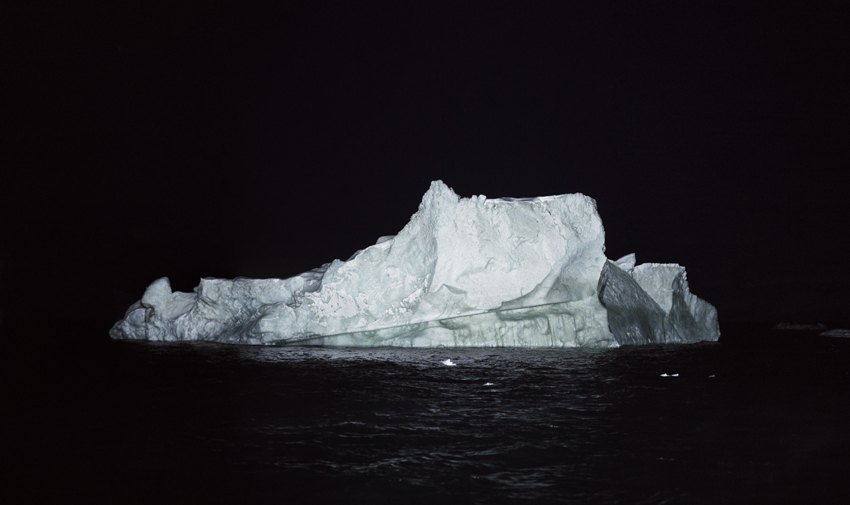
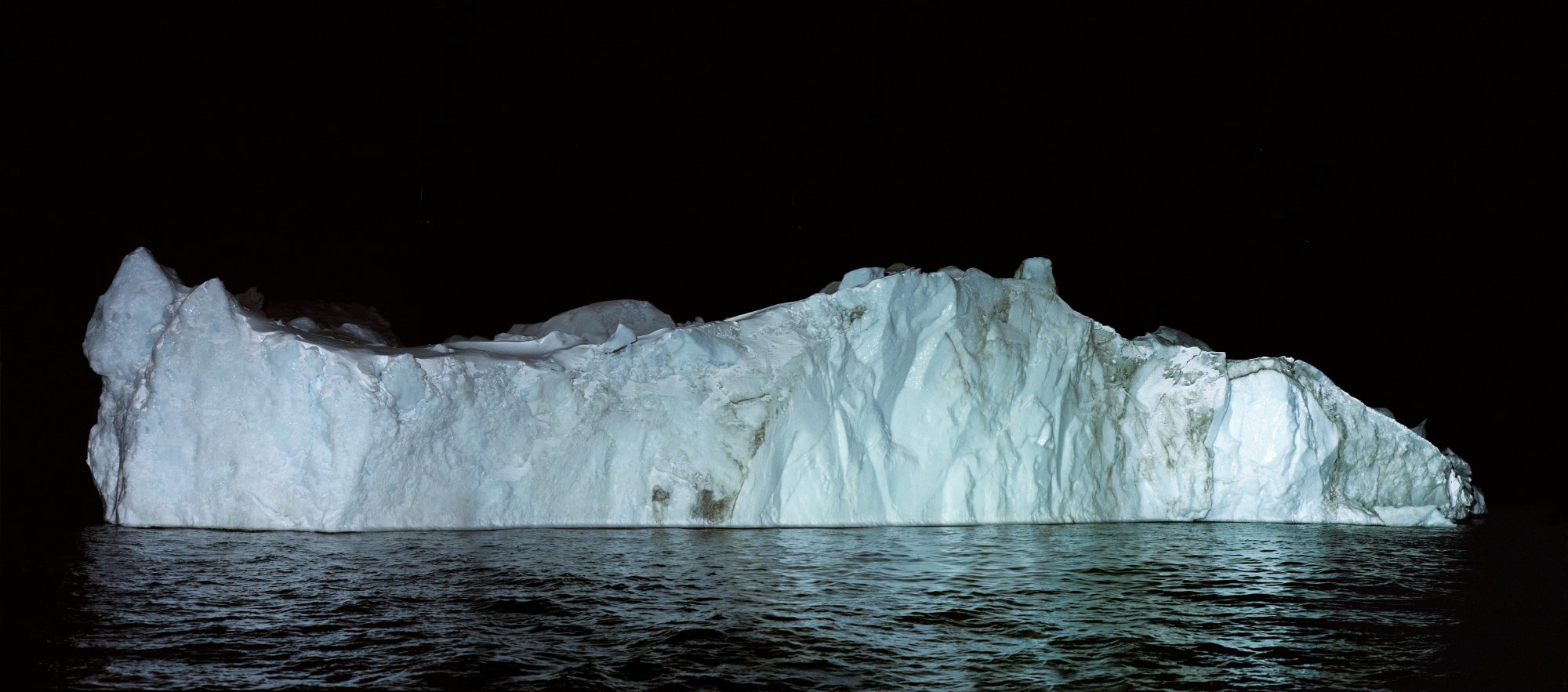
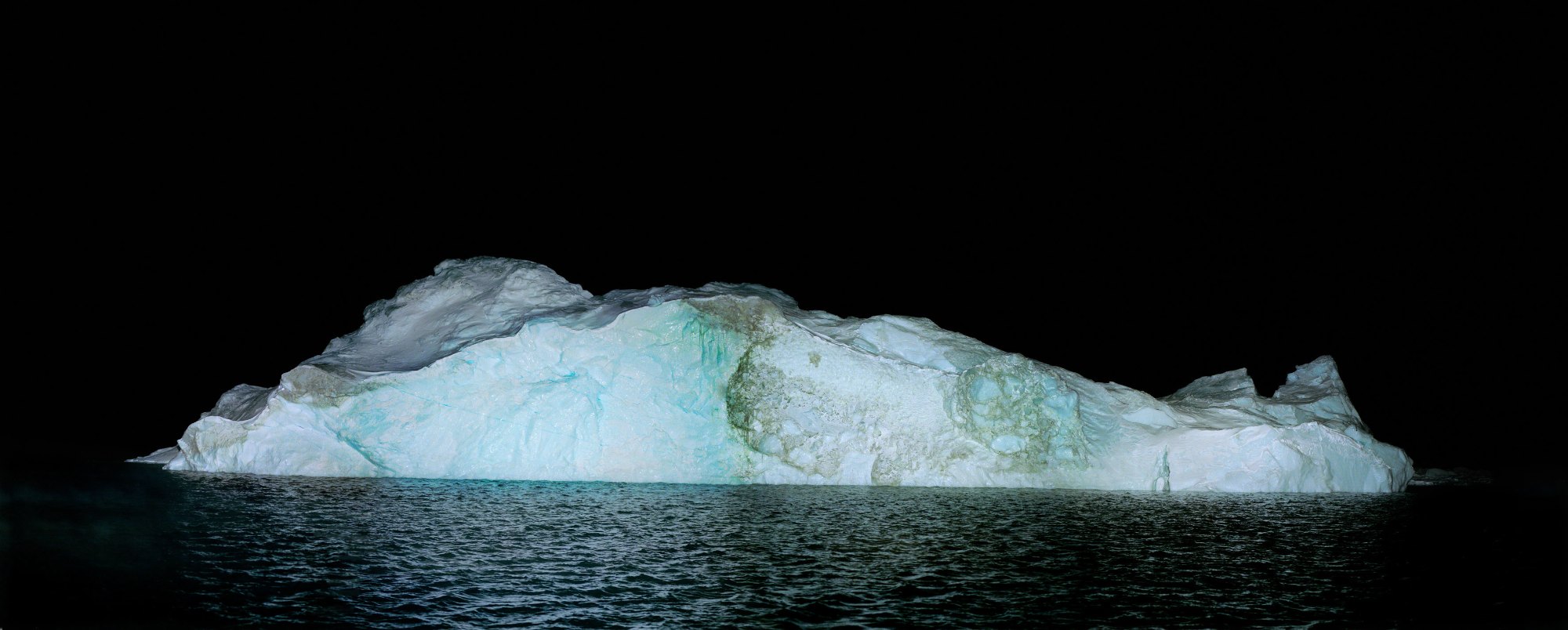
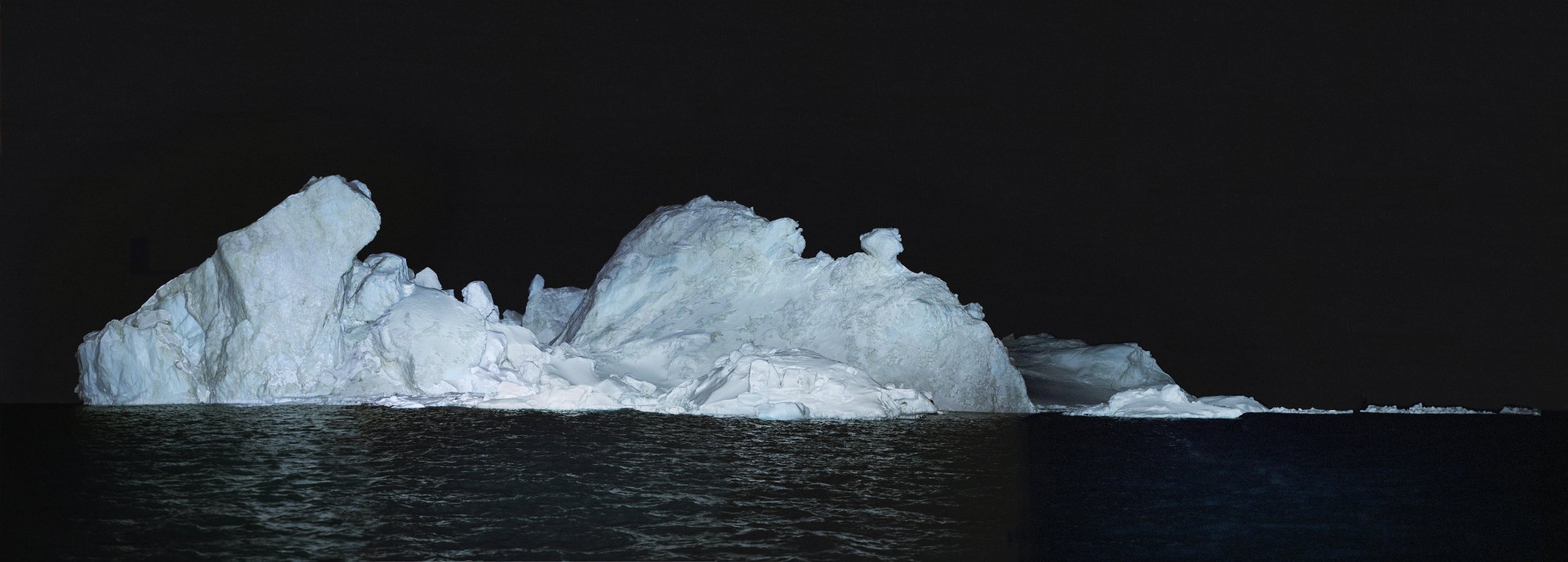
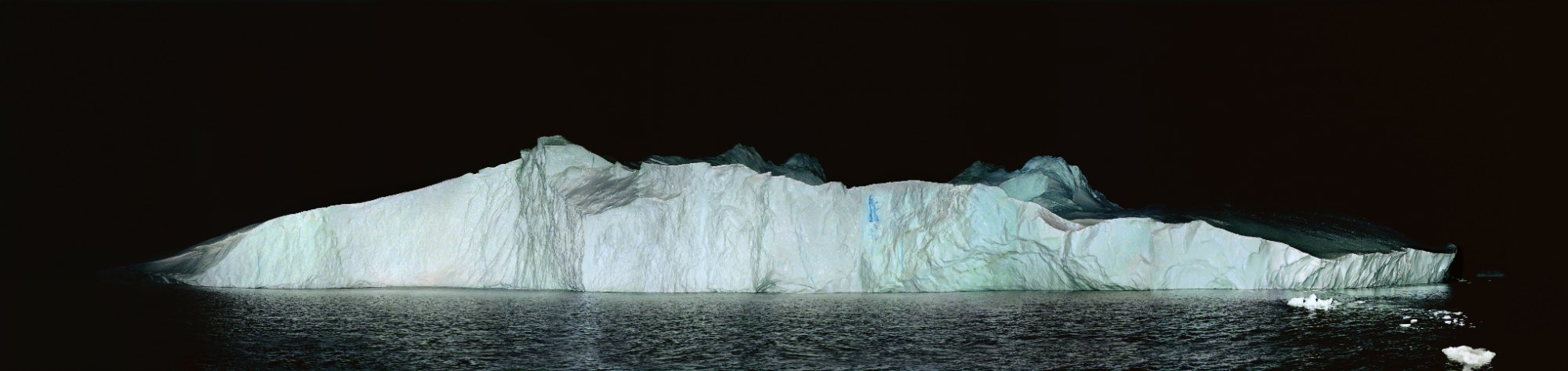
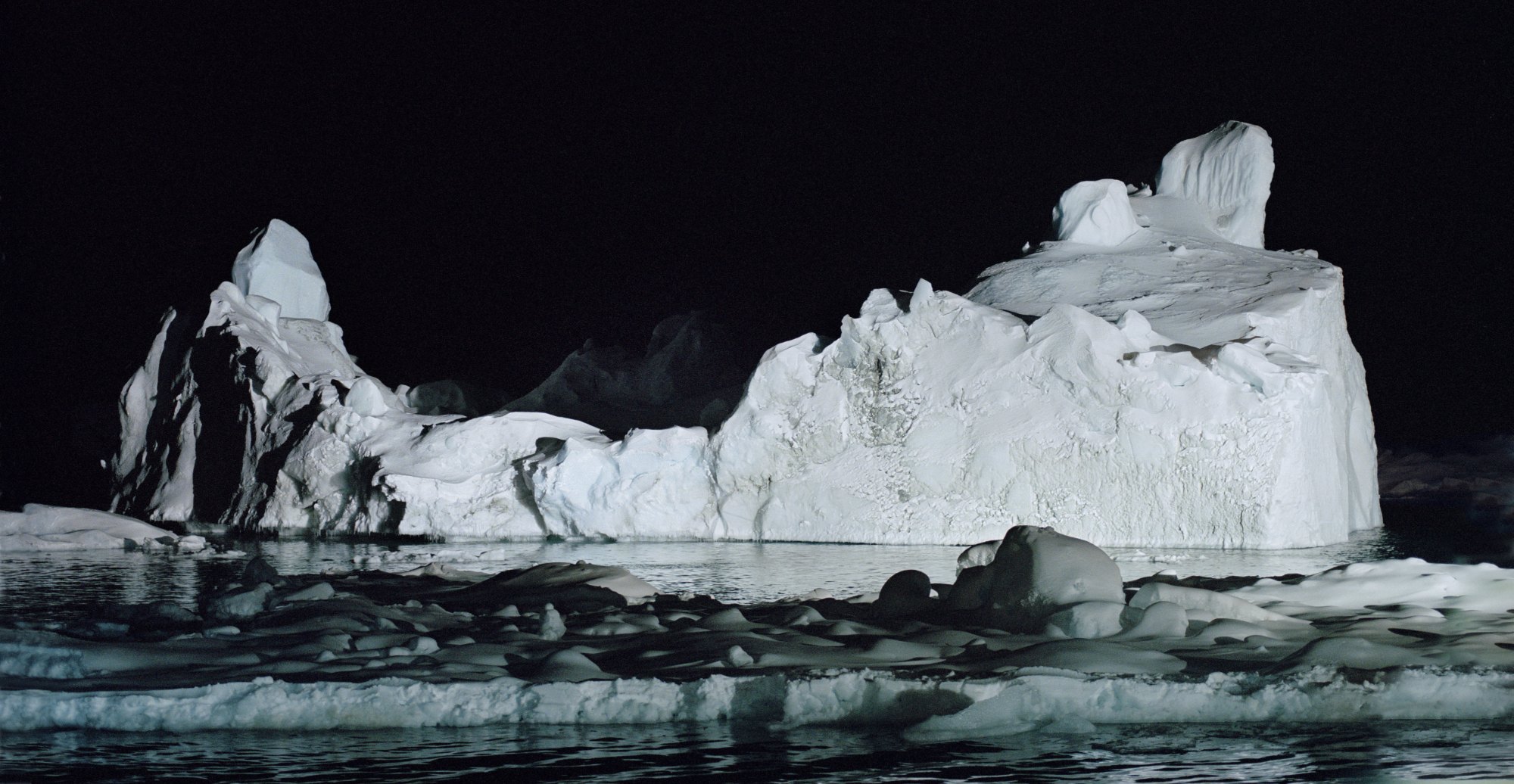
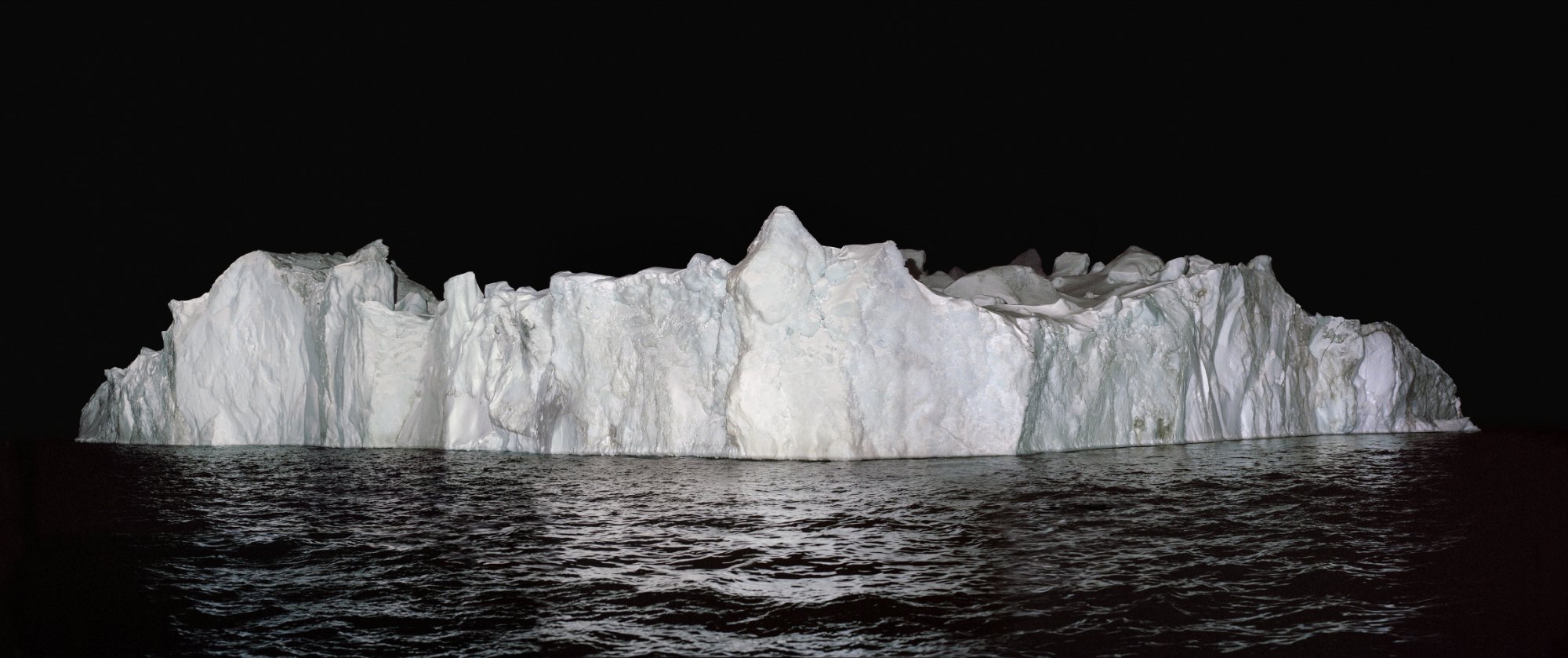
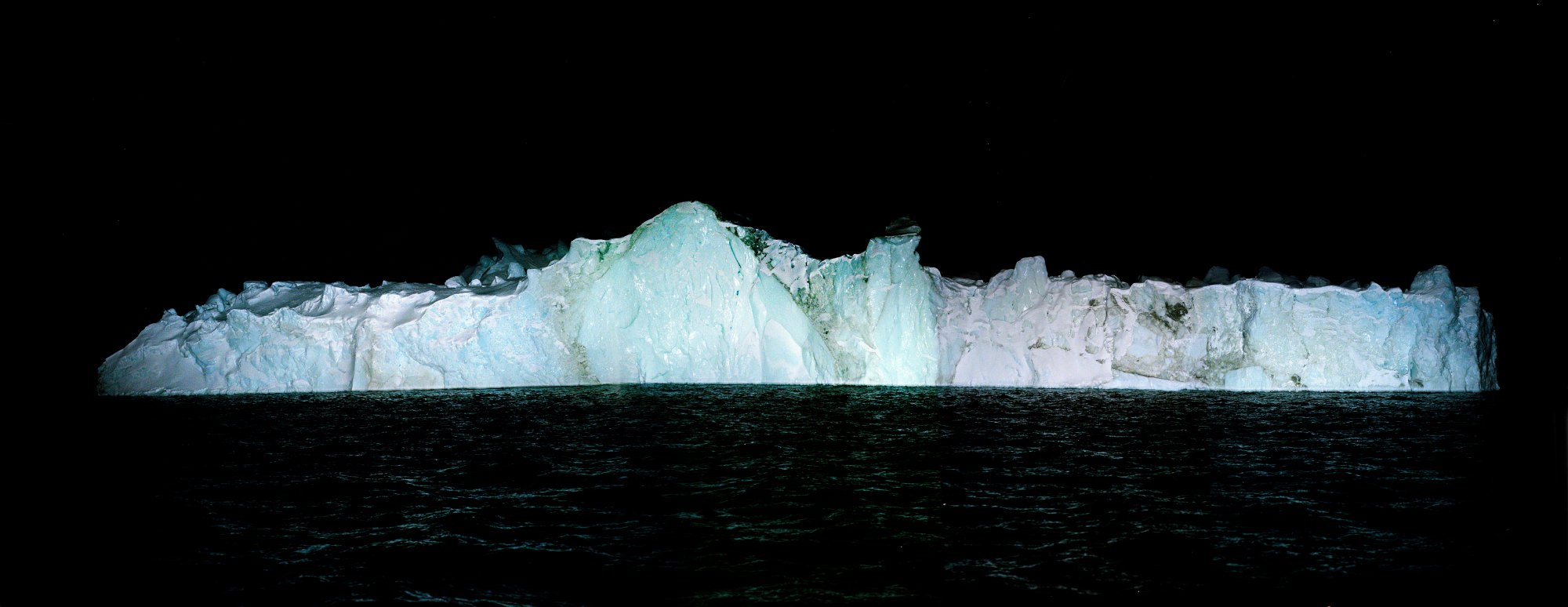
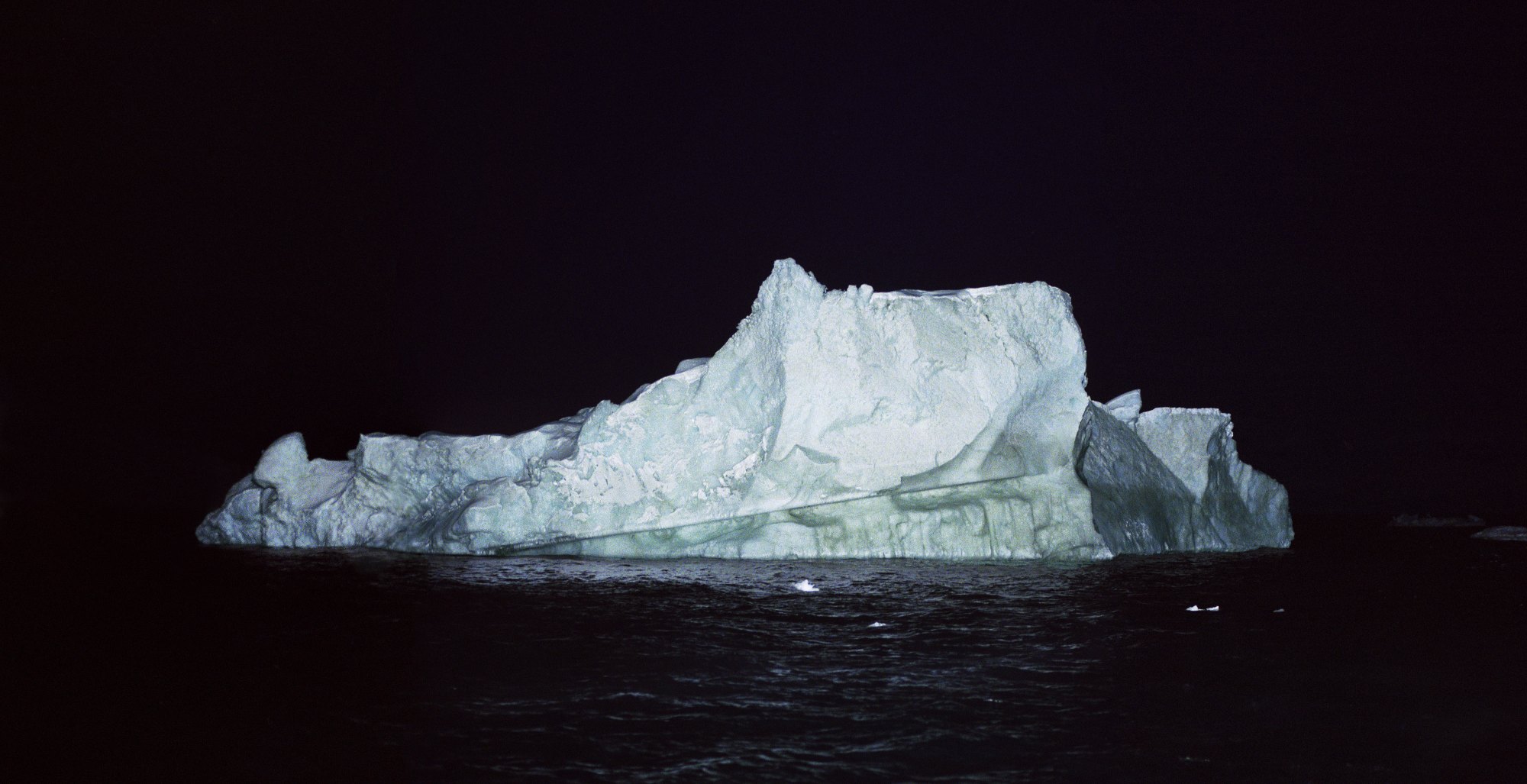
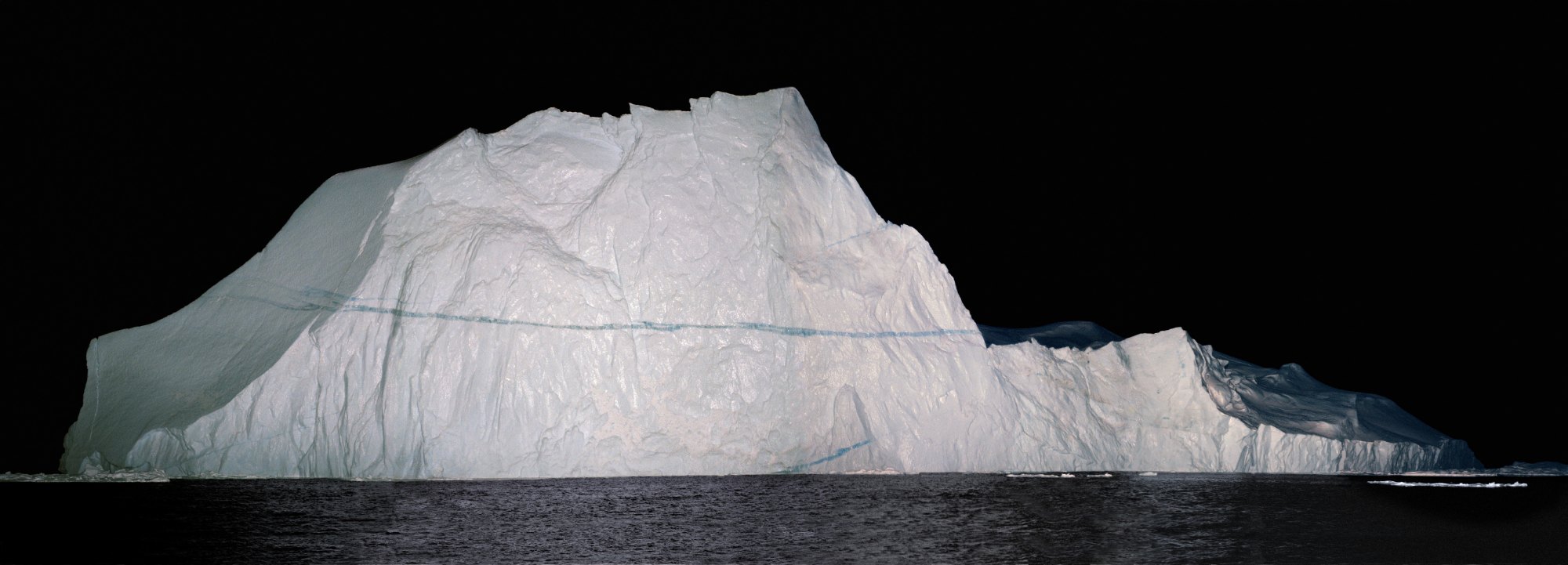
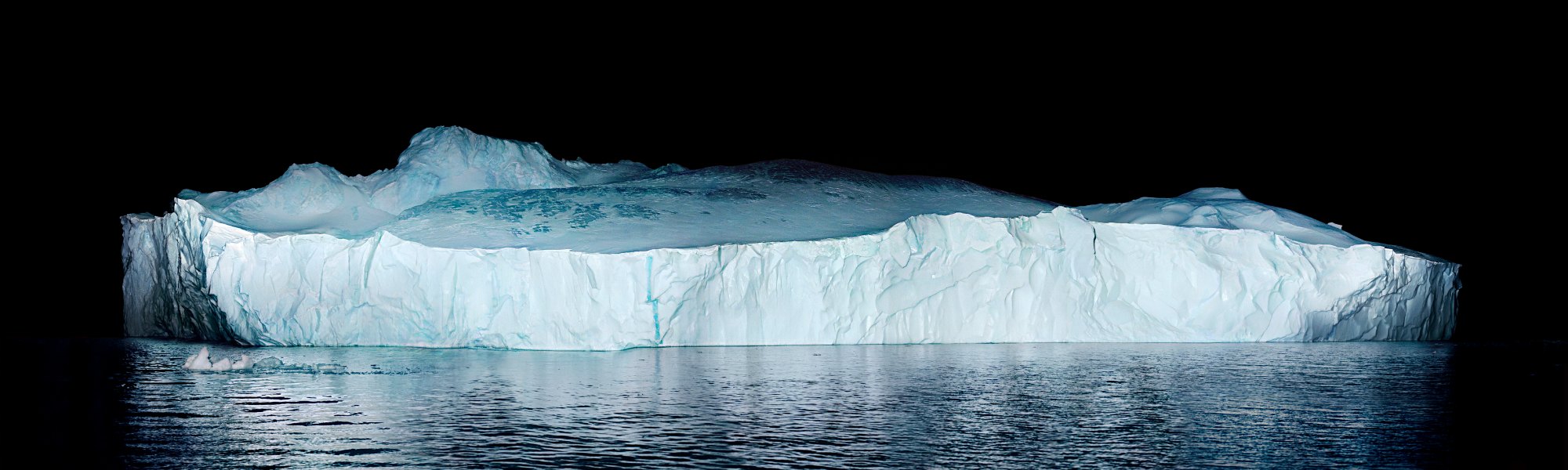
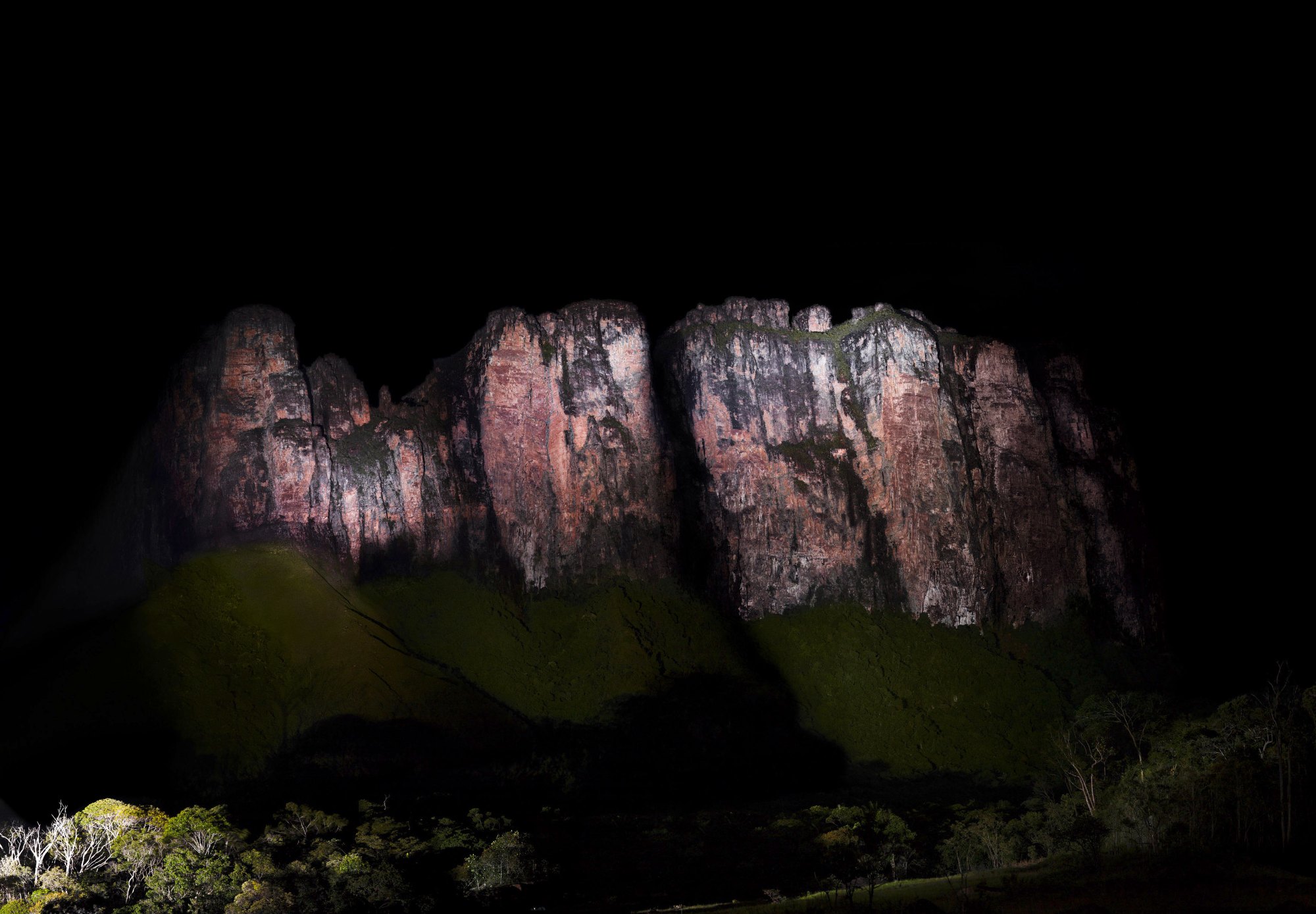
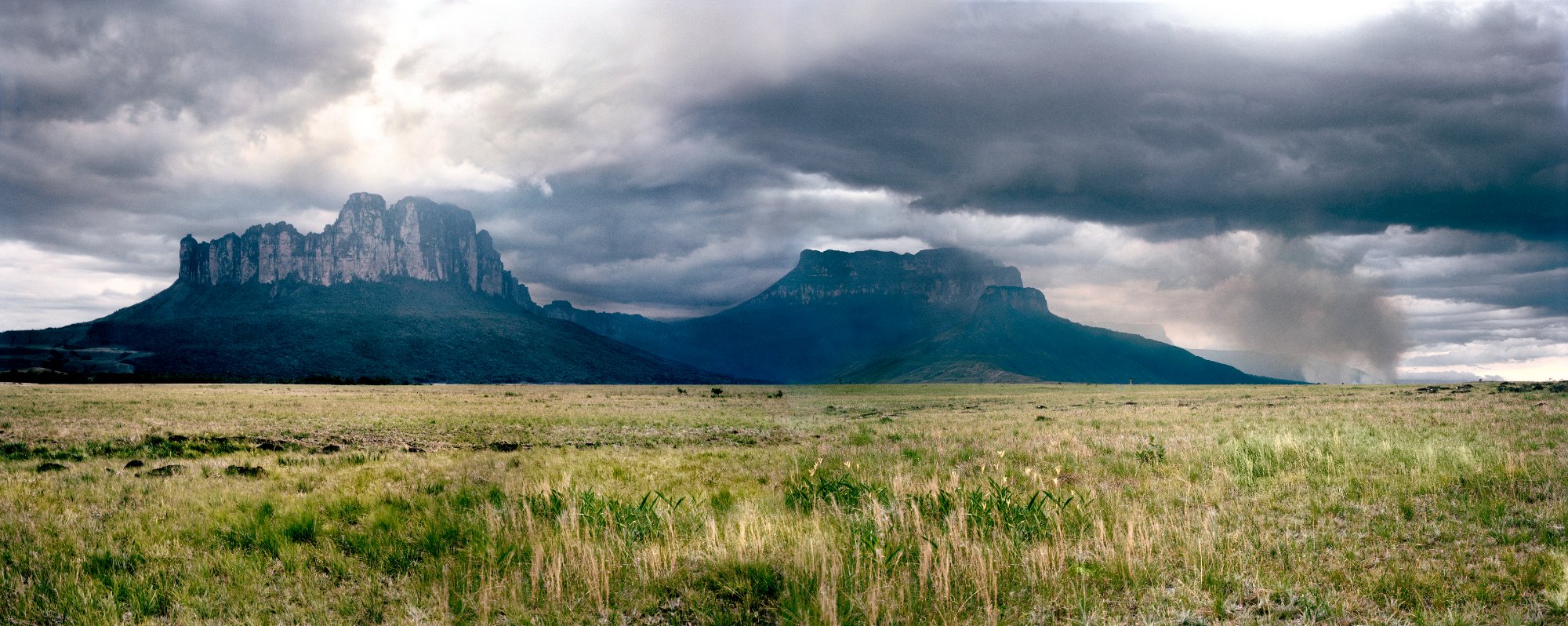
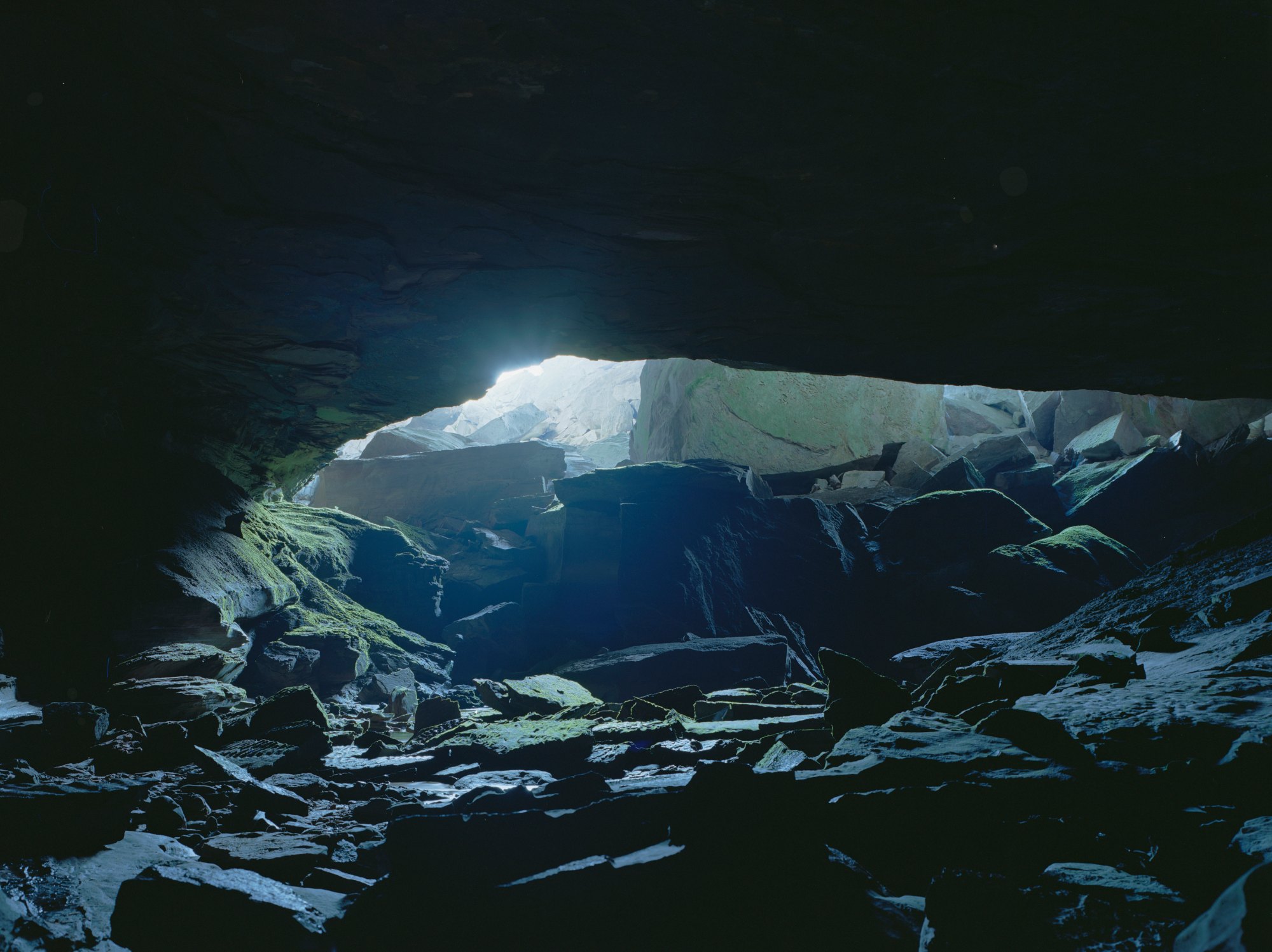
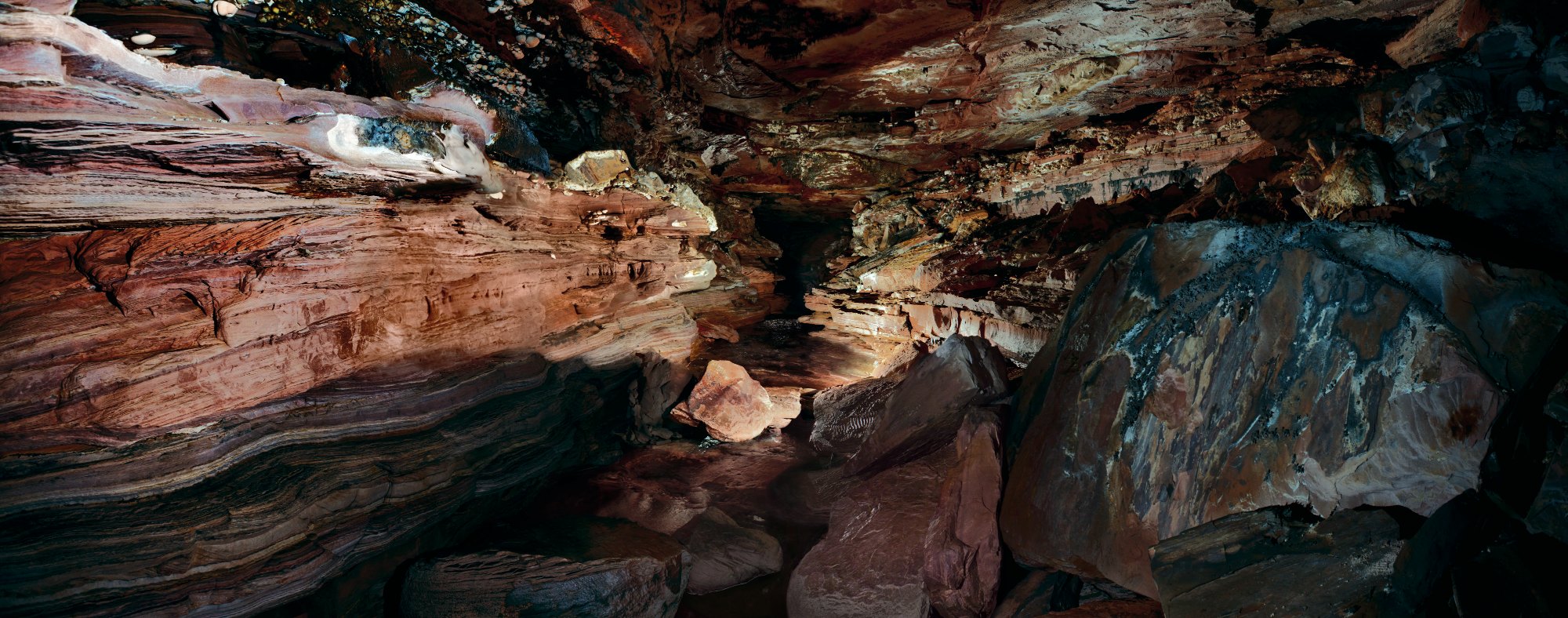
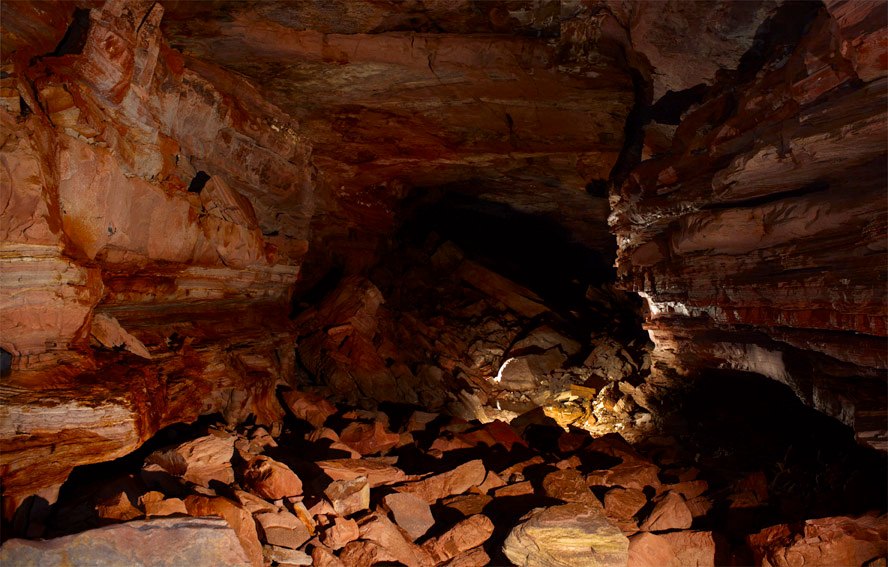
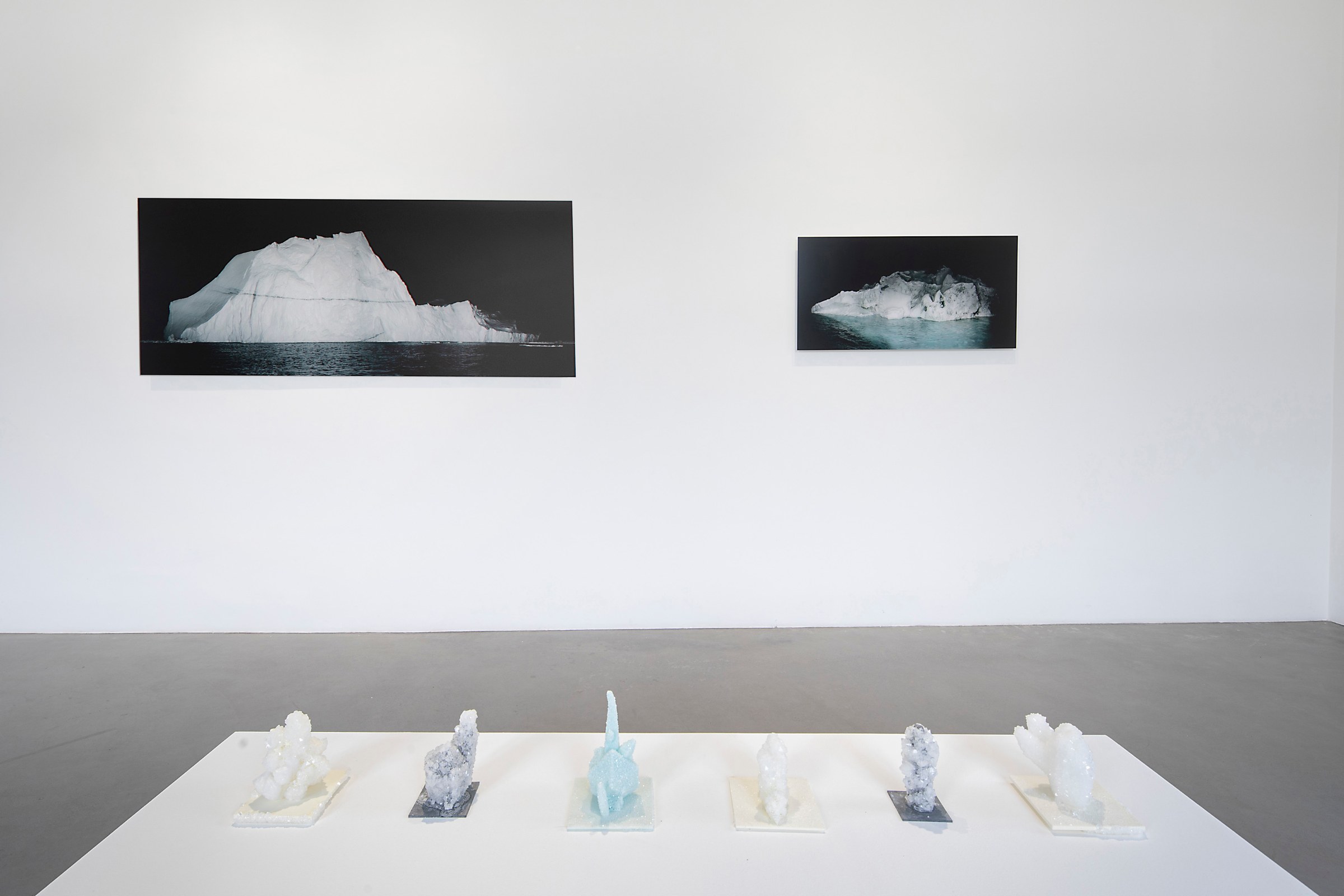
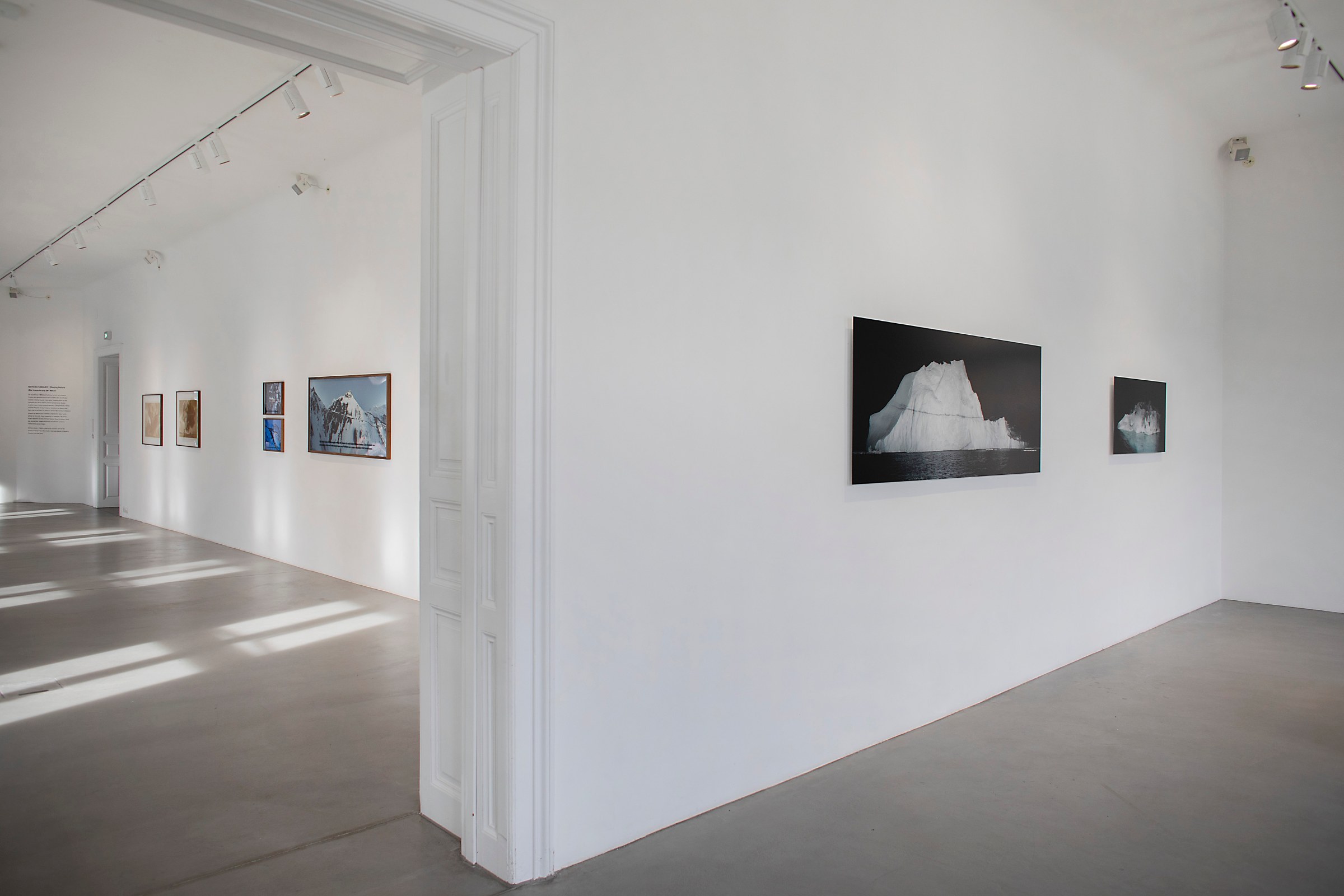
In the two later series, Islands of Time (Greenland) and Island of Time – Roraima (Venezuela), I turned my focus to glaciers and rainforest landscapes—environments rapidly transforming due to global warming and deforestation. These dramatically changing landscapes became my primary subjects, explored through staged performances. Traveling to these comparatively unexplored destinations, I encountered communities whose lives are directly shaped by these transforming terrains, as well as visitors drawn to witness these spectacular landscapes before they fundamentally change or disappear.
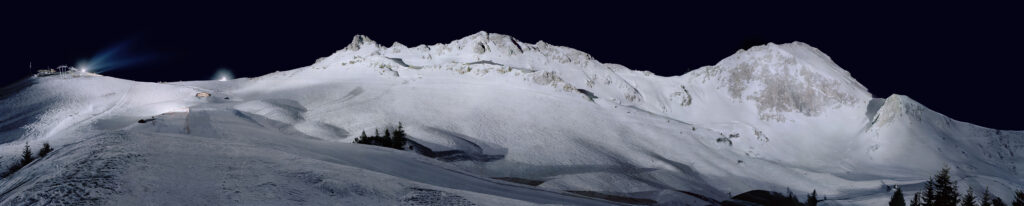
In Kanzelwand performance 01 (2009) I take this exploration further by delving into the idea of the history of tourism and the large-scale push towards making nature commercially accessible for people living in urban and suburban environments. The ingredients for the multi-format film Kanzelwand Performance 01: The Dead of Night were: 2,000 meters high atop the Austrian mountain Kanzelwand, dozens of professional skiers and snowboarders. Throughout the 3½-minute looped film, small groups of skiers and snowboarders perform choreographed maneuvers that emulate the elaborately staged and highly recognizable synchronized-swimming scenes from Esther Williams’ Hollywood films of the 1940s and ’50s. Juxtaposed with the surreal performance scenes — synced with the original musical score — are beauty shots of the surrounding nighttime mountain landscapes lit with powerful HMI film lights. The end result is the odd spectacle of nature and Hollywood coming together in a symbiotic yet opposing form.
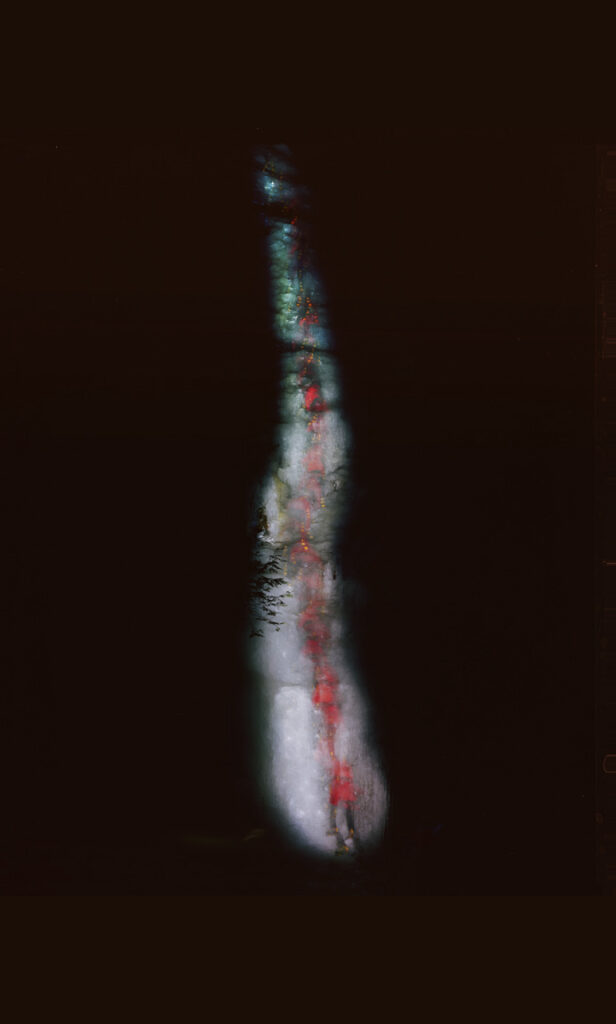
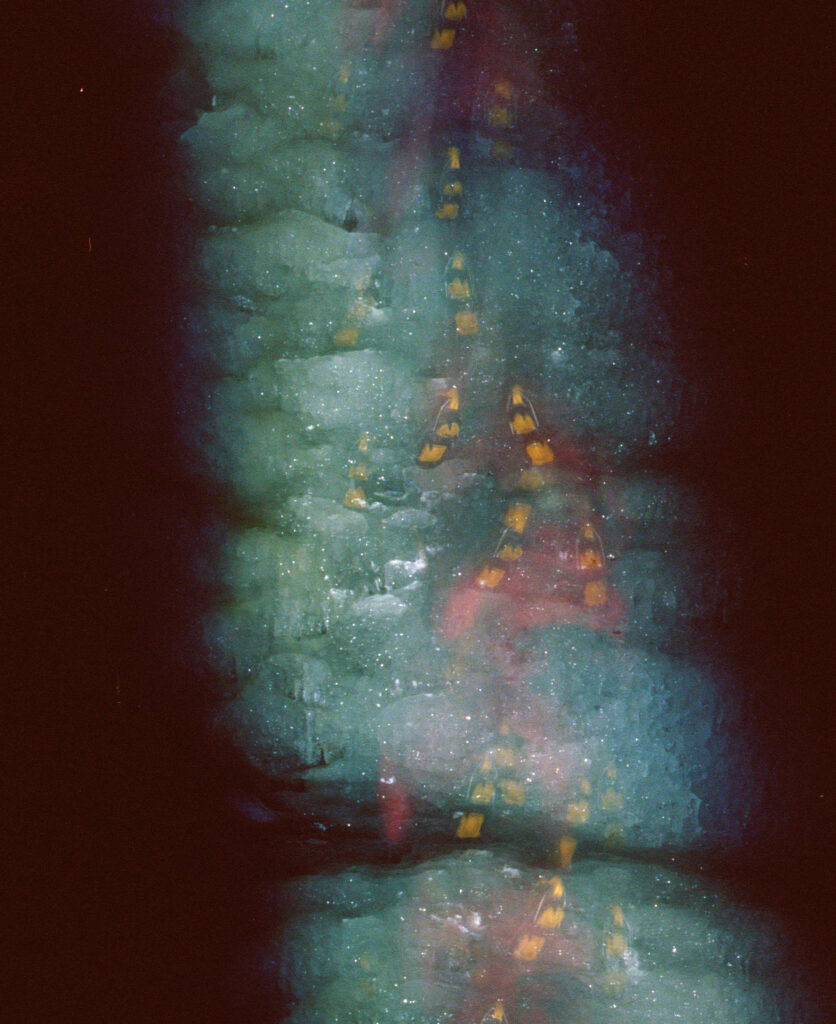
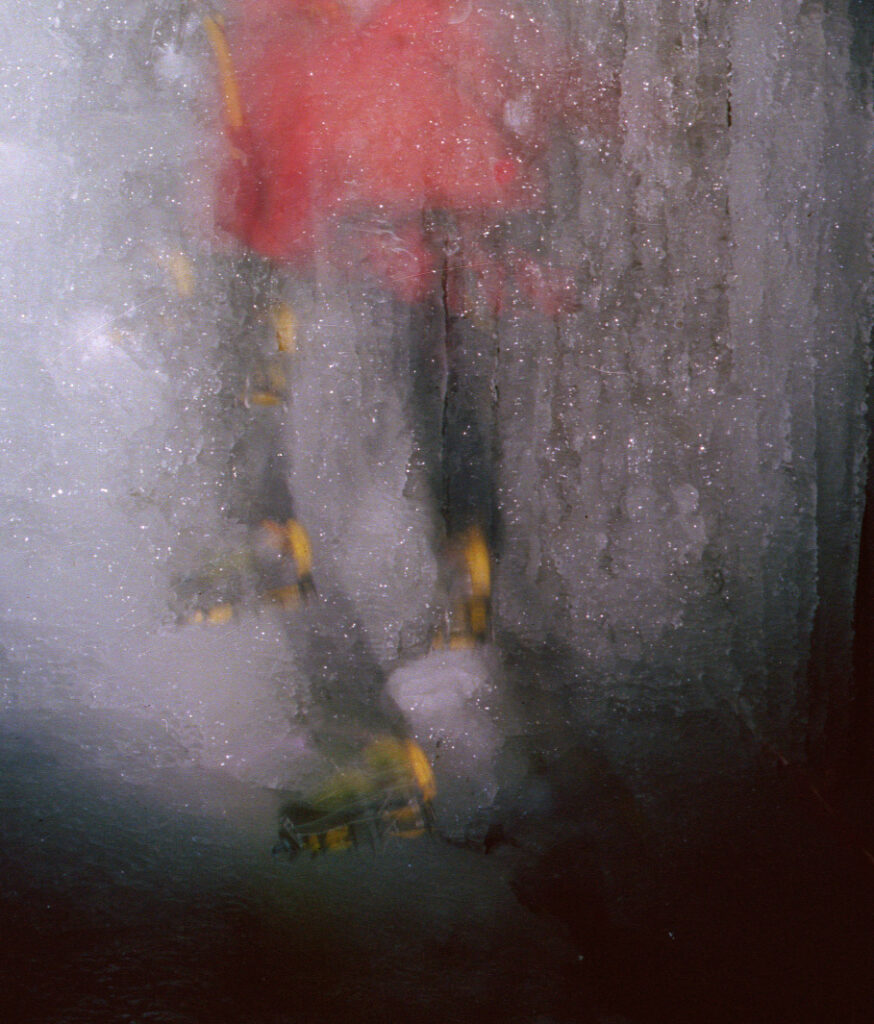
Timeline (Keene Valley, 2009) records the ice climber Lori Crownshield ascending a 300-foot ice ravine at night. An 8×10-inch still camera was positioned to record her 4-minute-54-second climb; the negative reads the reflective light, and the climber becomes visible only at the points where she rested long enough for the latent image to record the impact.
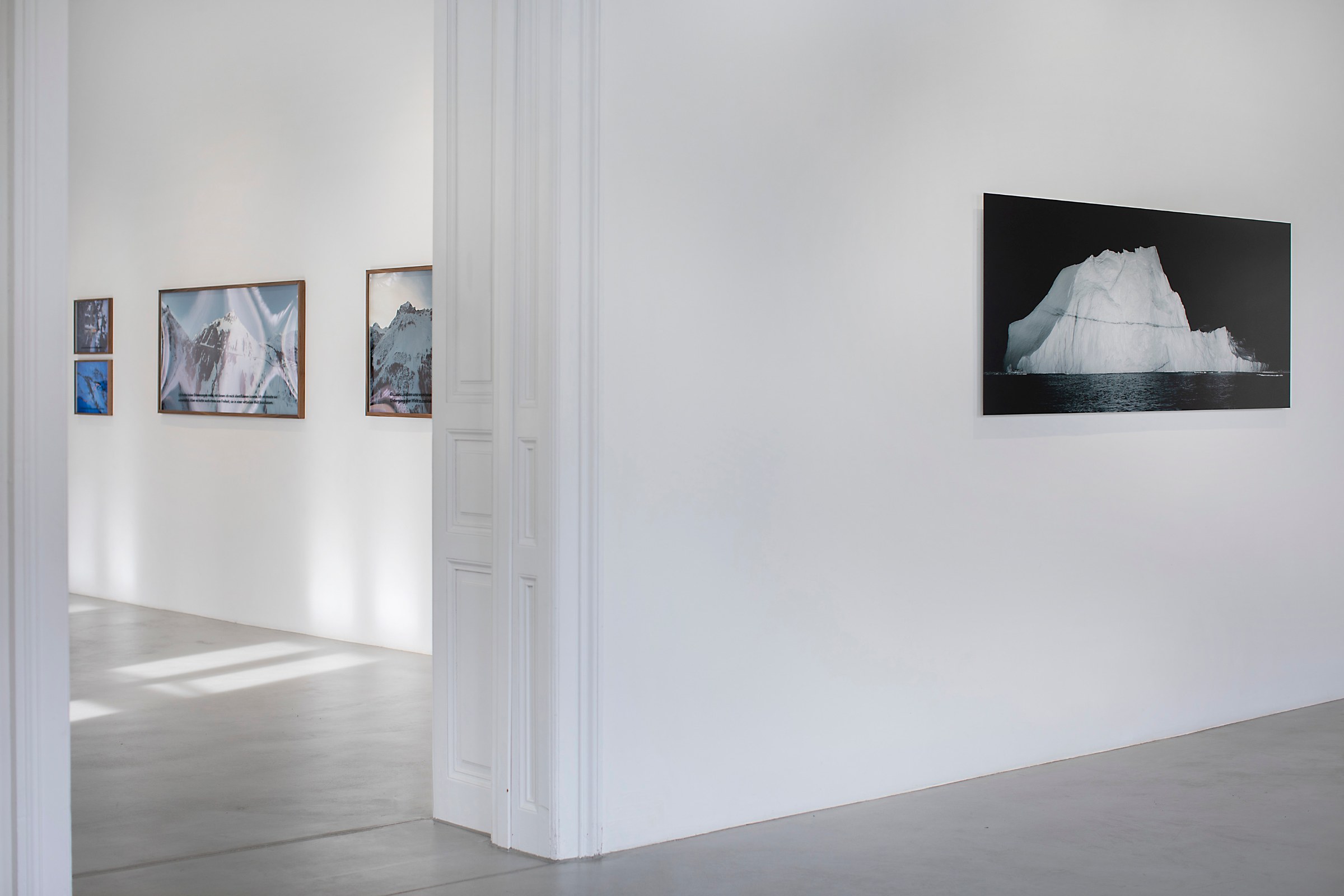
Works
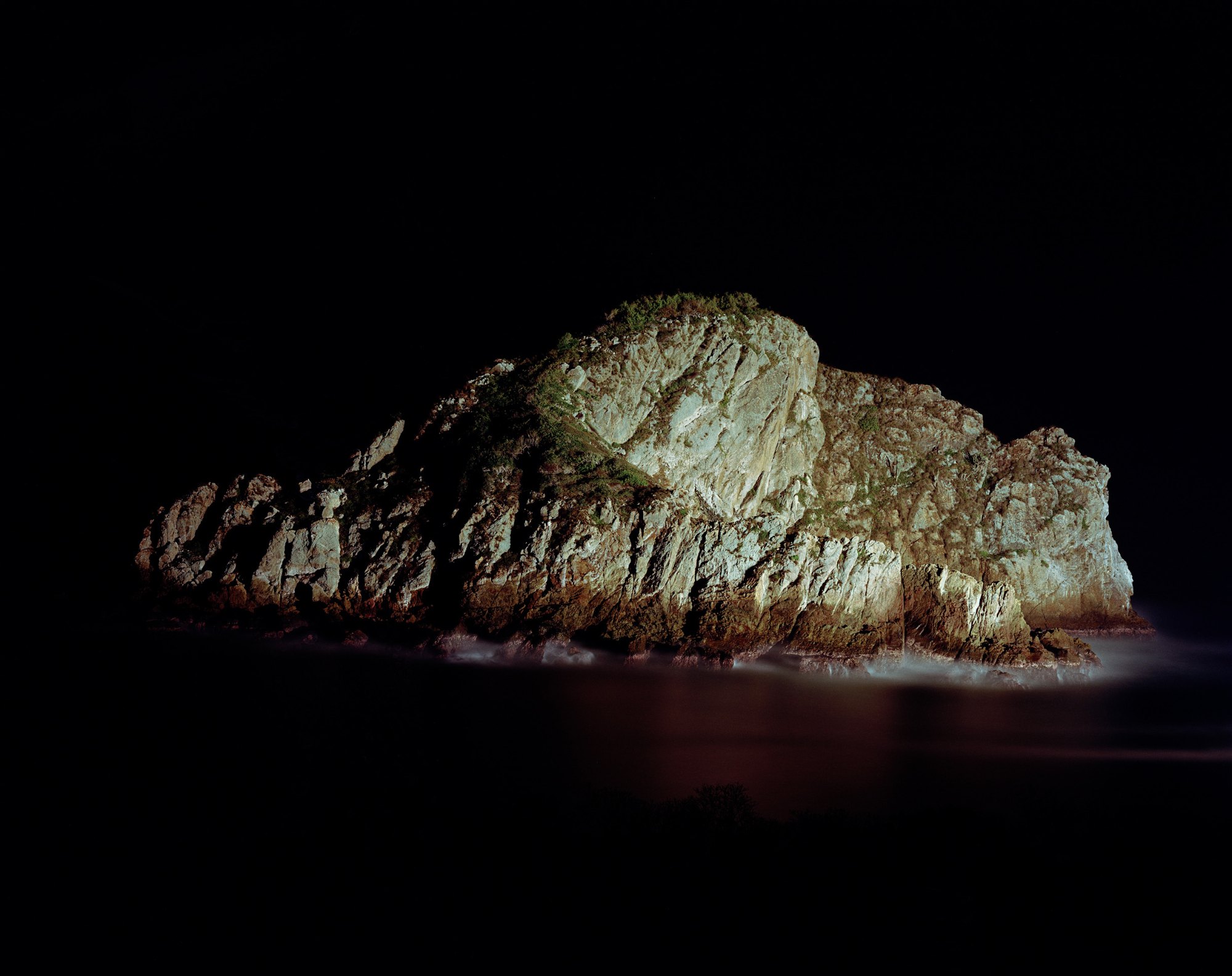
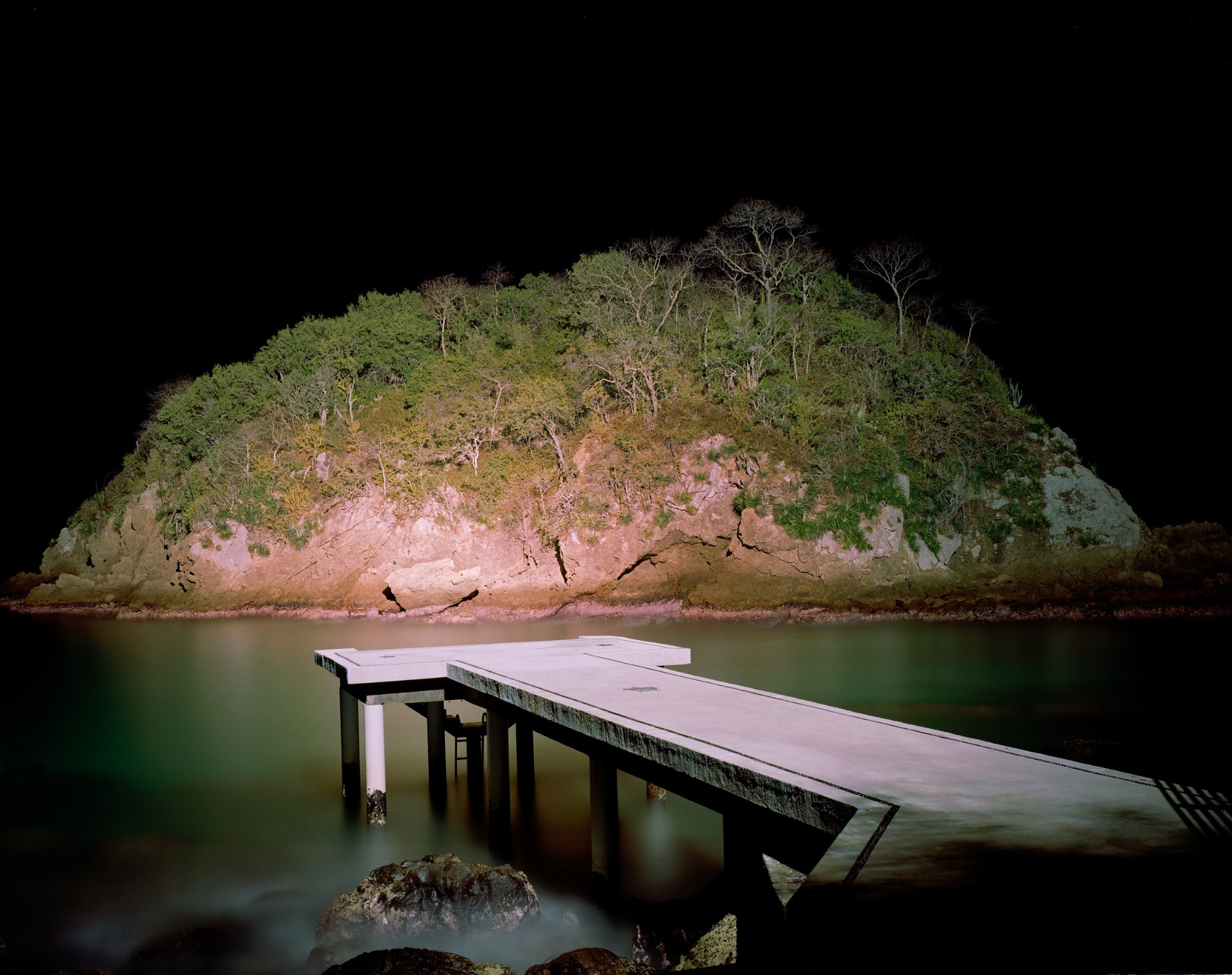
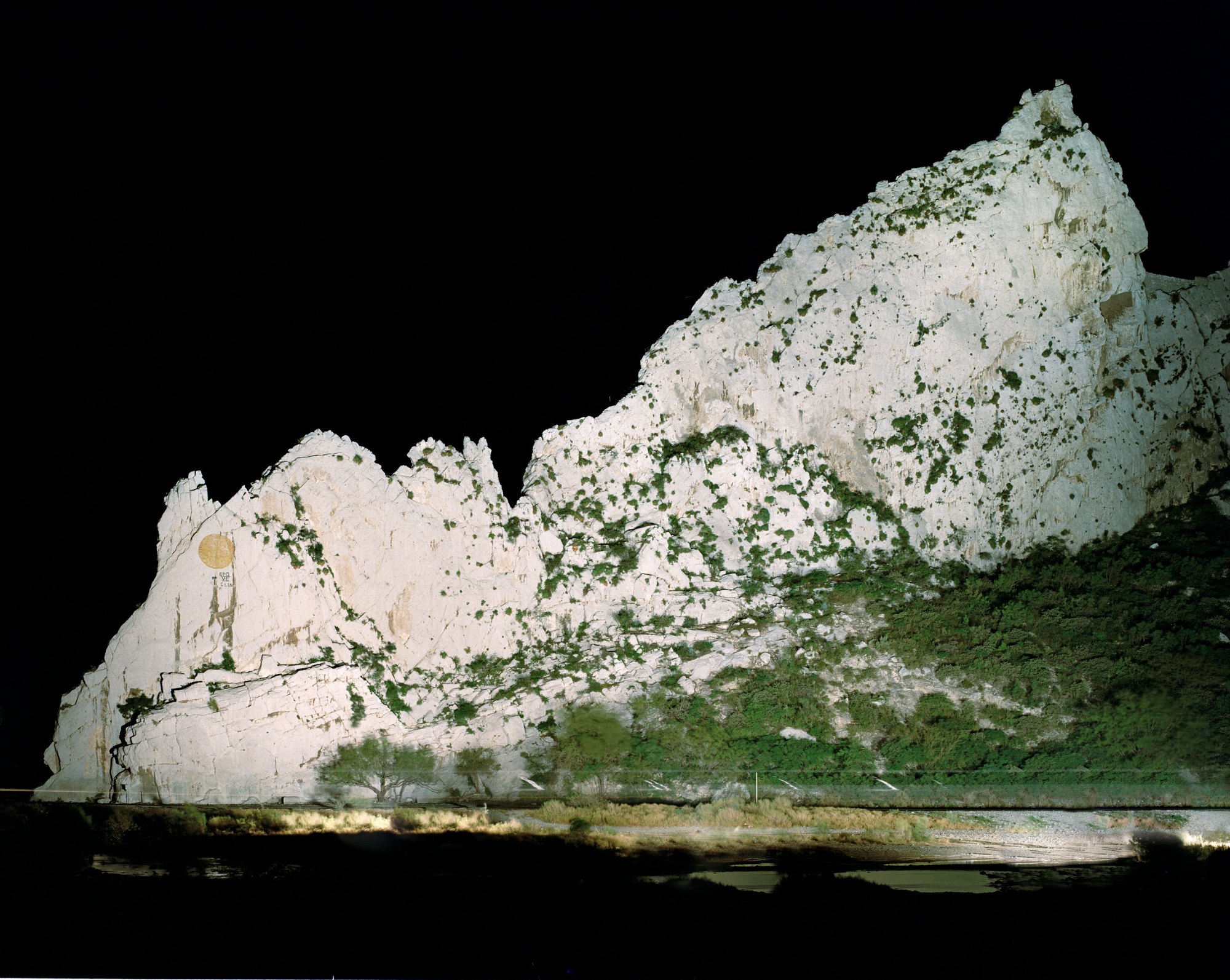


Installation views
Kanzelwand performance, 2009
Timeline (Loop), 2009