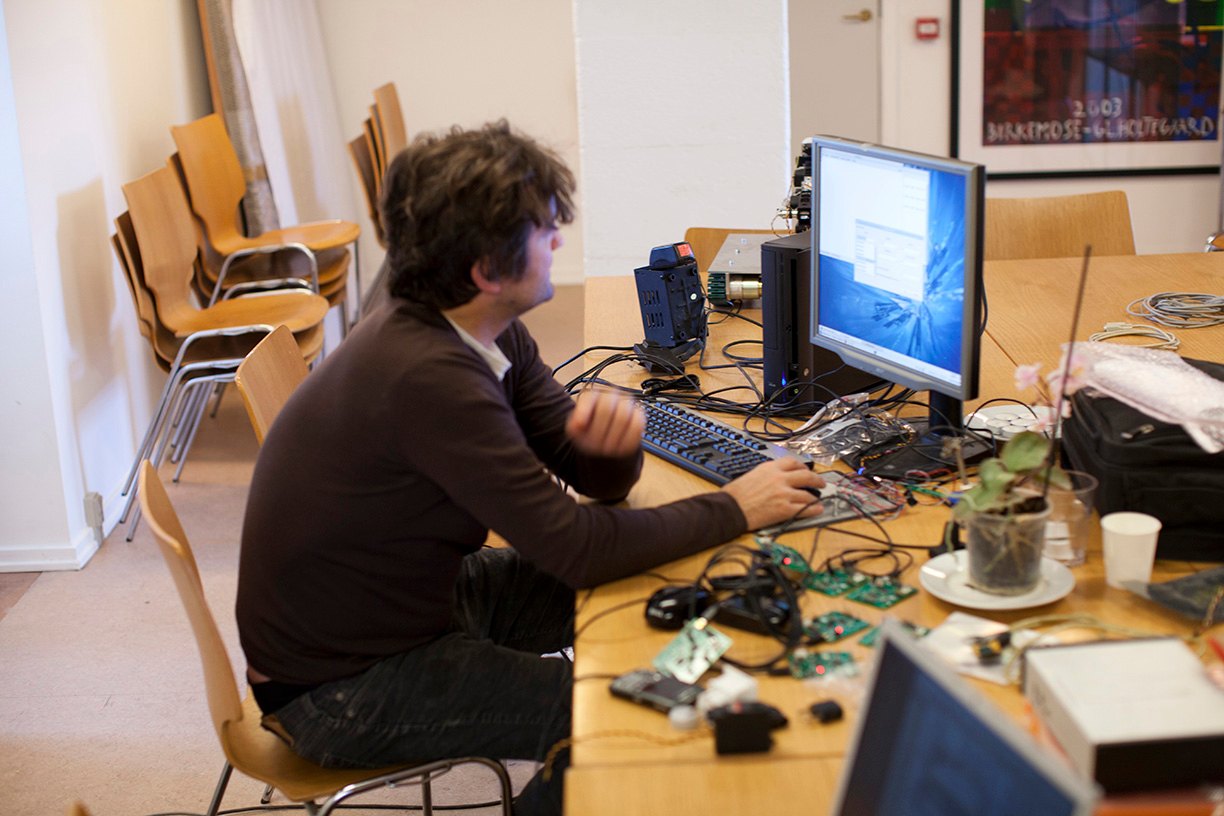
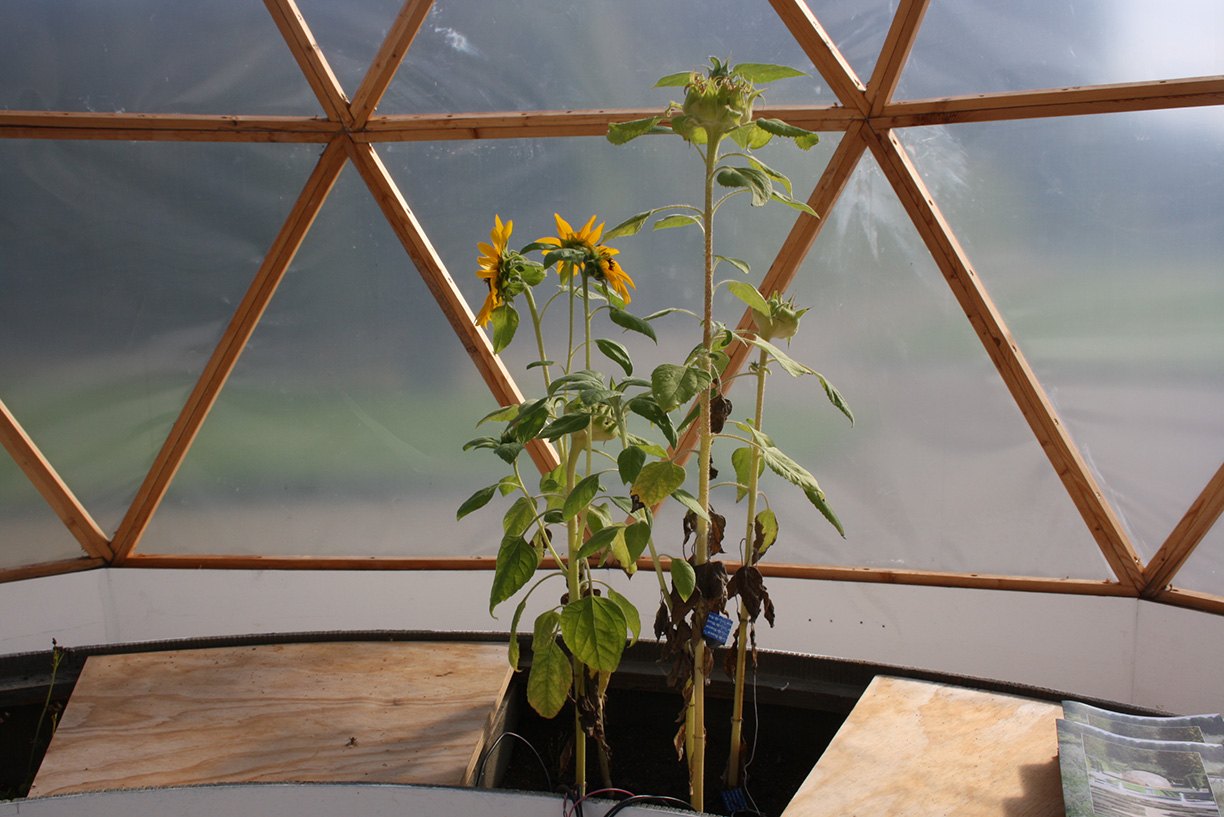
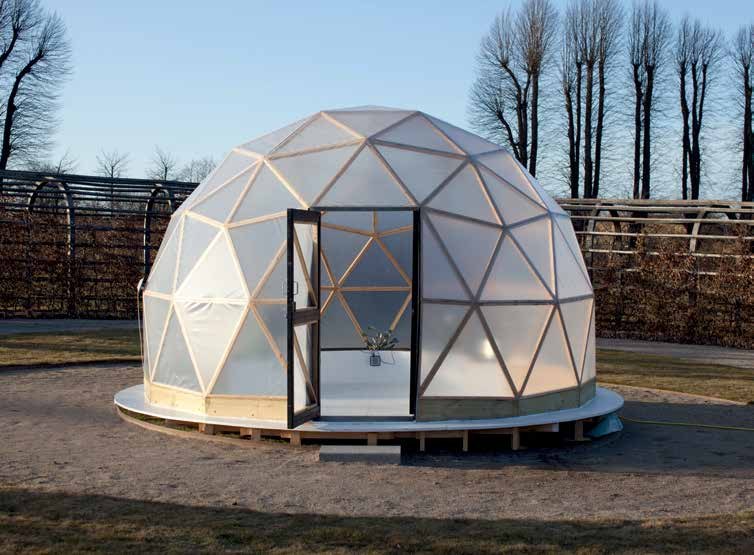
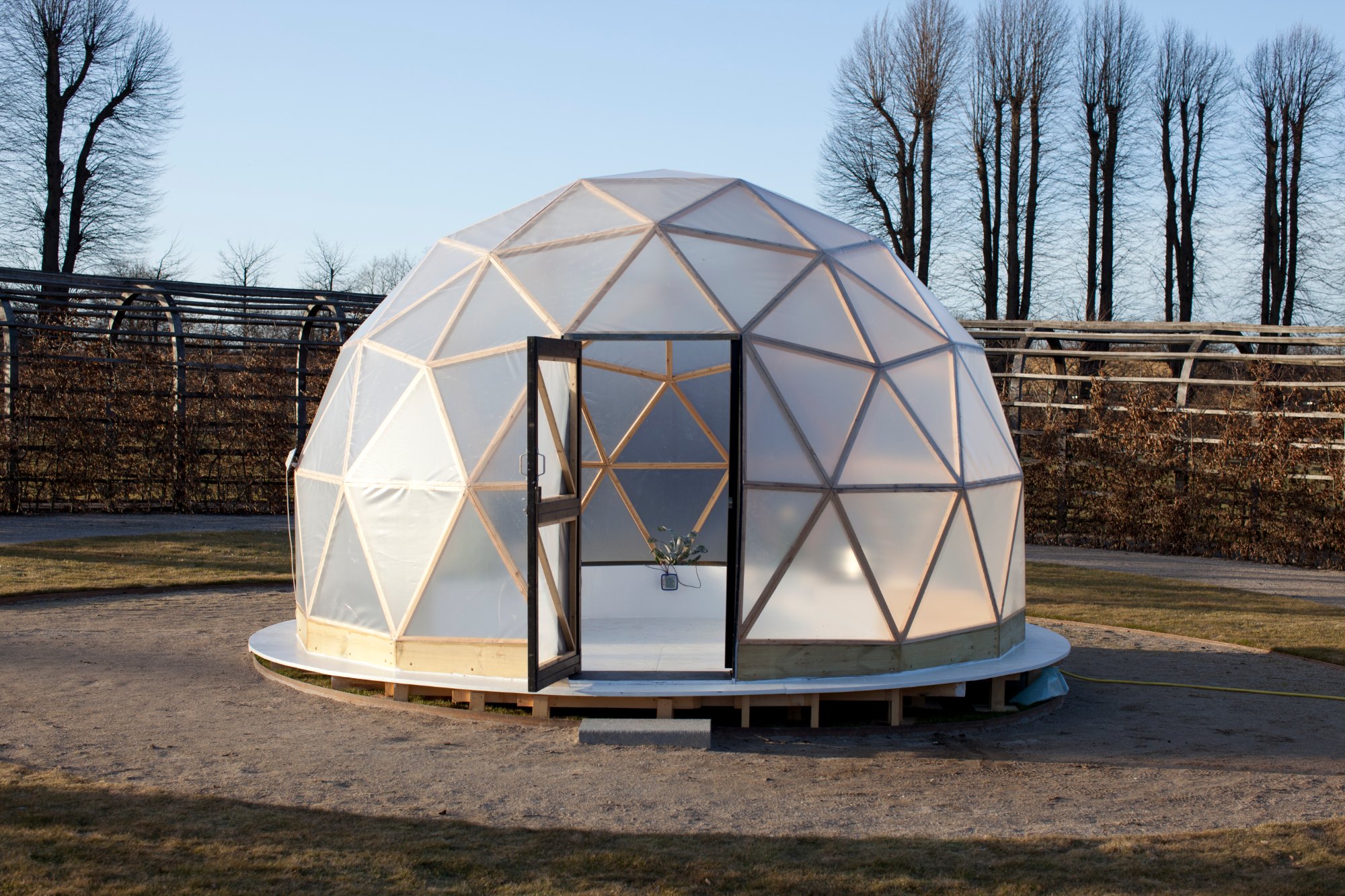
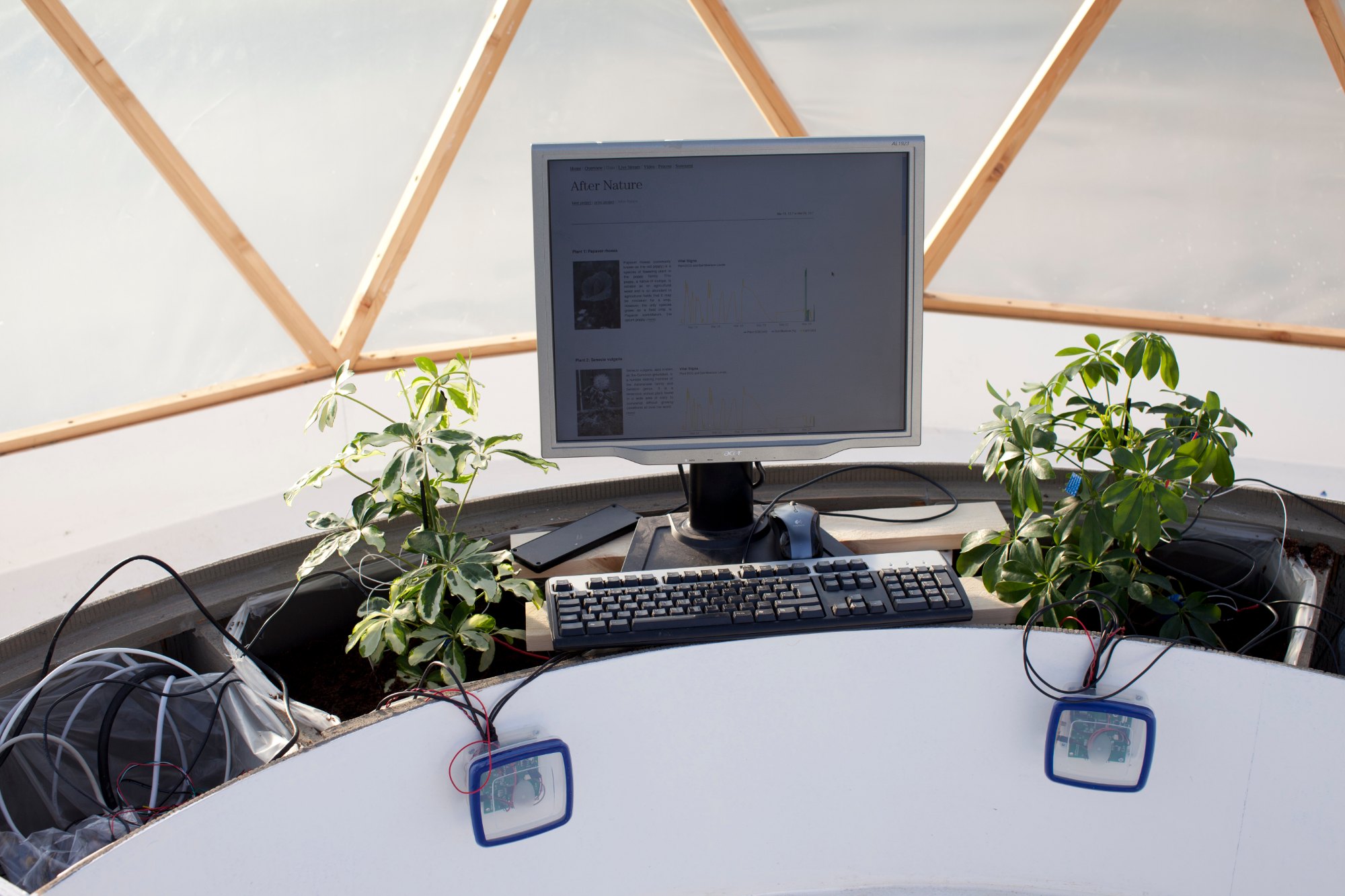
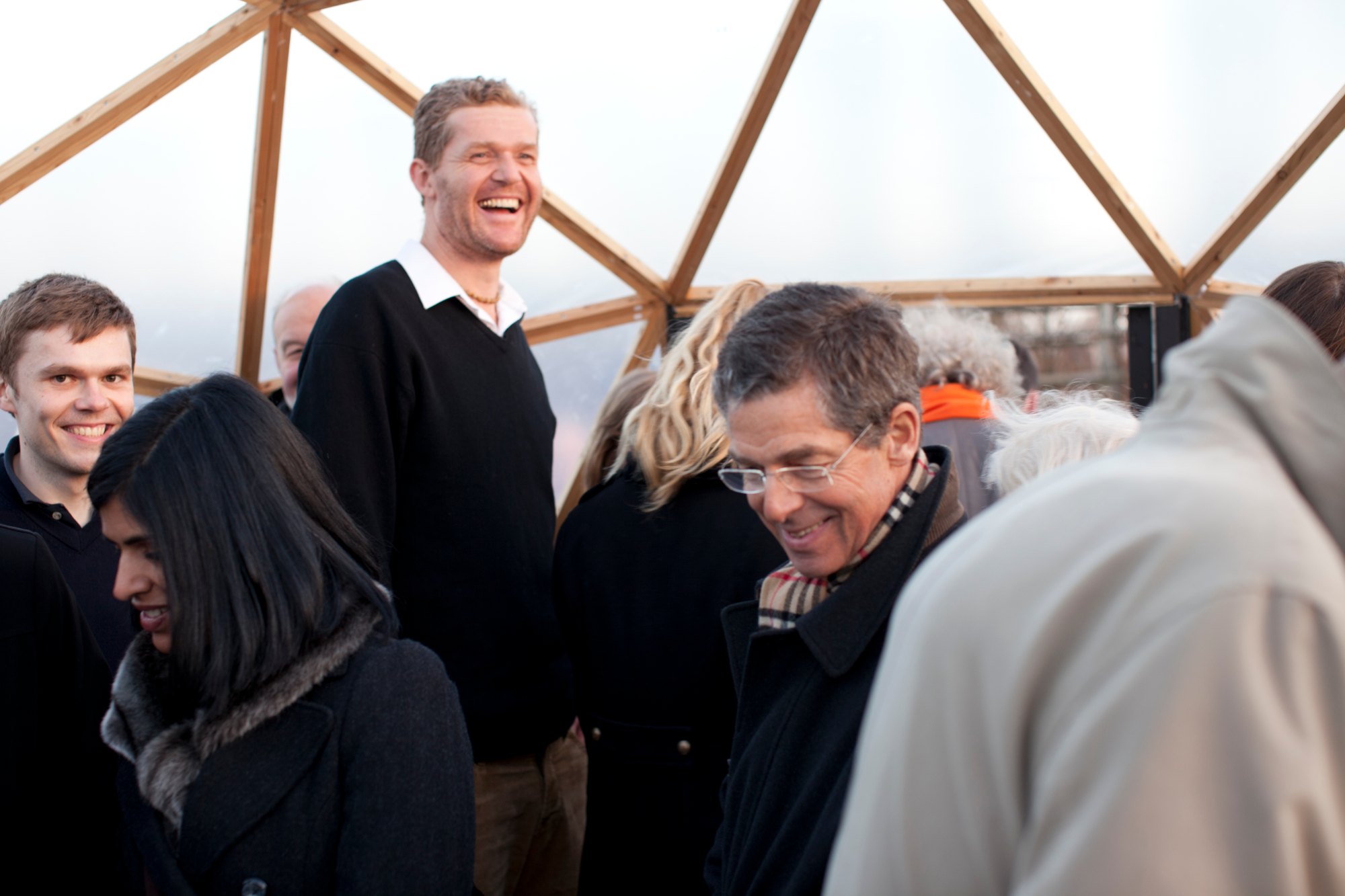
After Nature is a monument built from nature’s own materials. Installed in Thurah’s Baroque Garden at the GL Holtegaard Museum outside Copenhagen, it is not landscape art in the conventional sense: the piece resembles a scientific experiment, a sort of futuristic greenhouse. Housed in a Buckminster Fuller–esque geodesic dome set at the center of the garden’s planned symmetry, the work unfolds in equal parts as an aesthetic vision of nature and a biological experiment — recording plants’ electrical impulse responses to environmental stress and relaying them to visitors through a software interface. The sculpture examines man’s ability to master and garden nature, and the extent to which nature still controls man, at a time of mounting ecological turbulence.
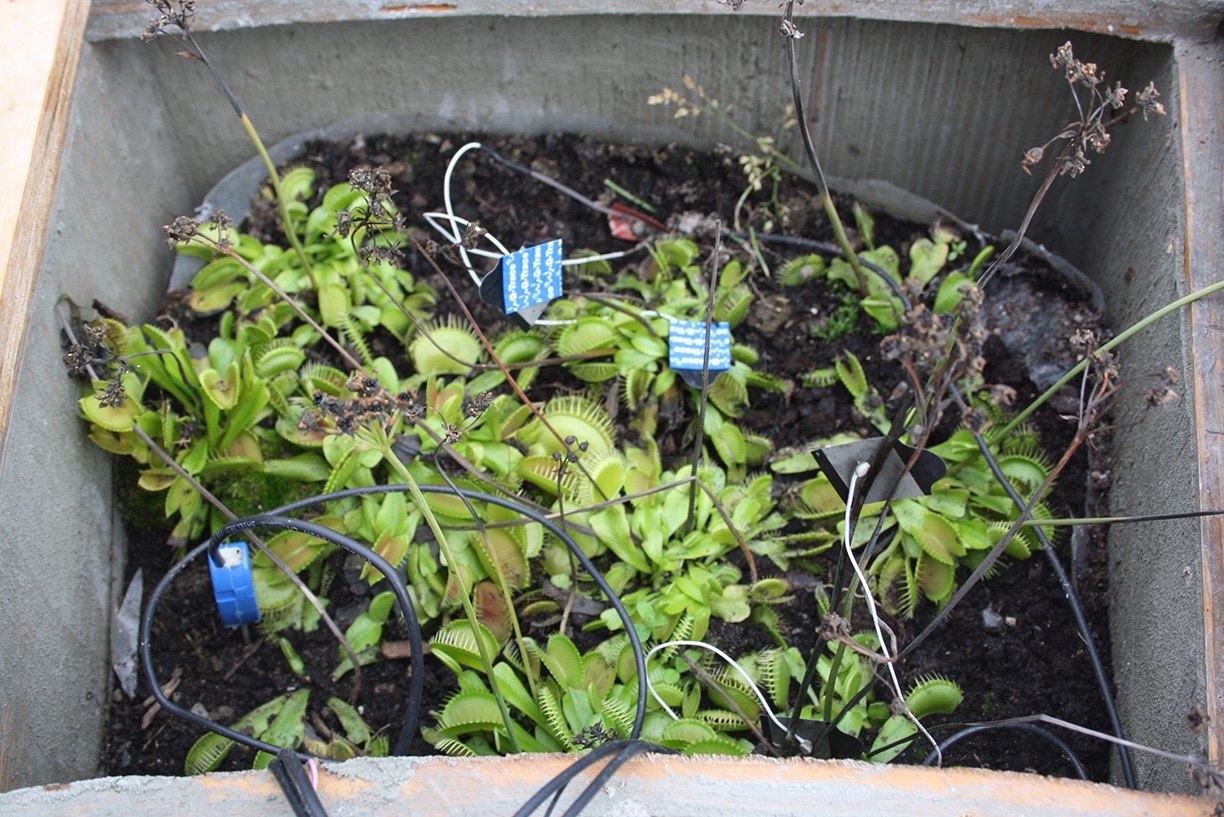
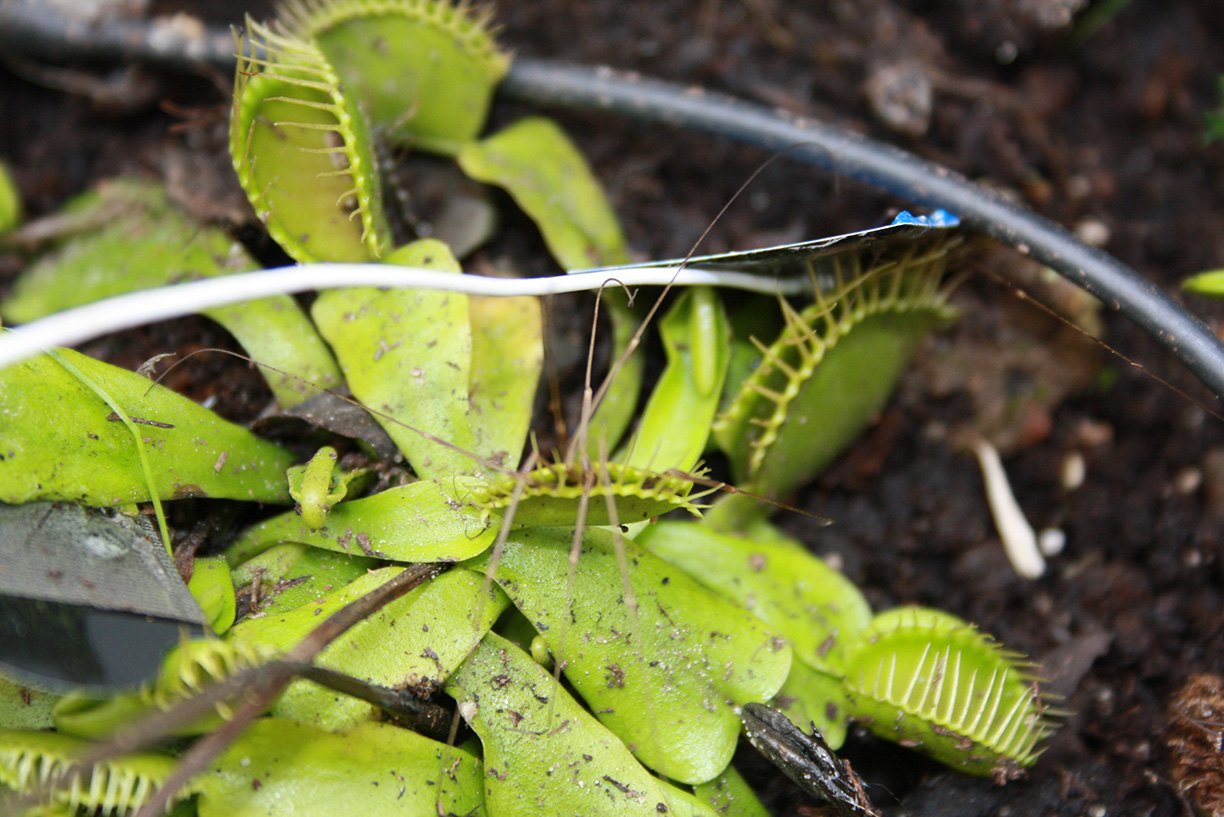
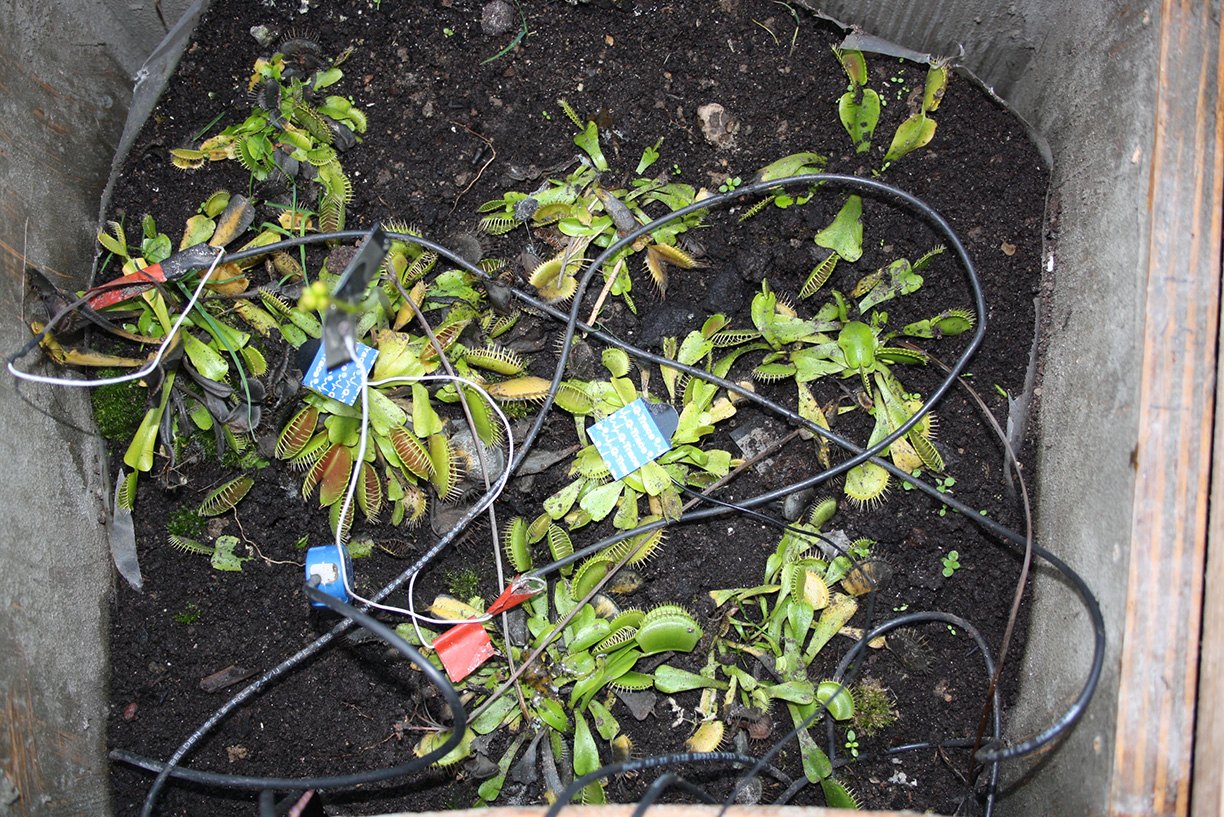
Working with the biologist Wendelin Weingartner, Kessler wired cultivated plants and their wild neighbors — sunflowers, Venus flytraps, pothos, peace lilies — with electrodes, recording their signals alongside environmental data (CO₂, ozone, sun, temperature, soil, dust) from spring through fall 2011. The installation asks whether nature can be said to have “arrived in cyberspace,” and what happens to it once its own effects are archived and extended past the moment of their occurrence.
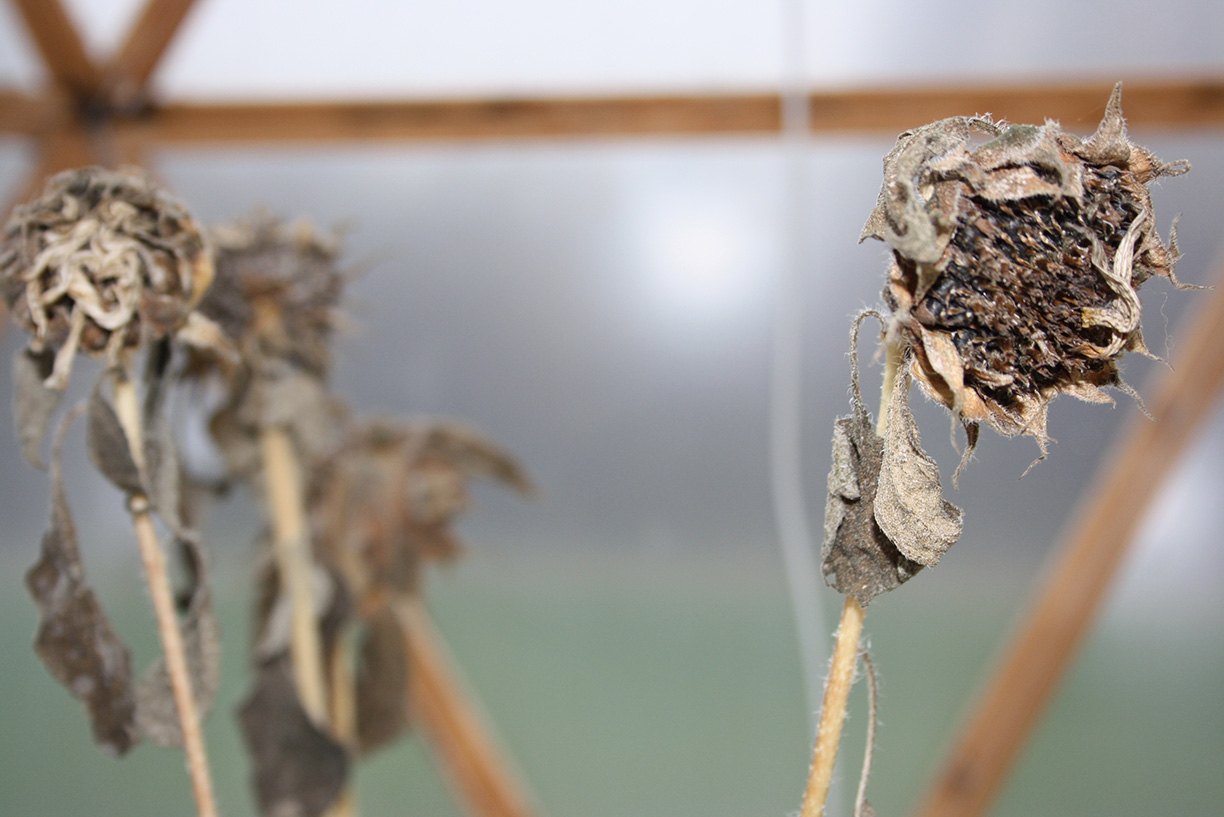
Nature 2.0 is the term Kessler uses for the underlying condition the piece diagnoses: the latent longing for a nature that is, at the very least, not an insult to our expectations of it — a nature clothed in parodies to avoid looking at the real, slow, embarrassing thing. The dome’s growing season, tracked week by week from a bare frame in April to a huddle of frost-killed sunflowers in October, is the artwork’s actual duration and its actual subject: not a single image of nature but nature’s decline recorded in real time, next to the machine built to listen to it.
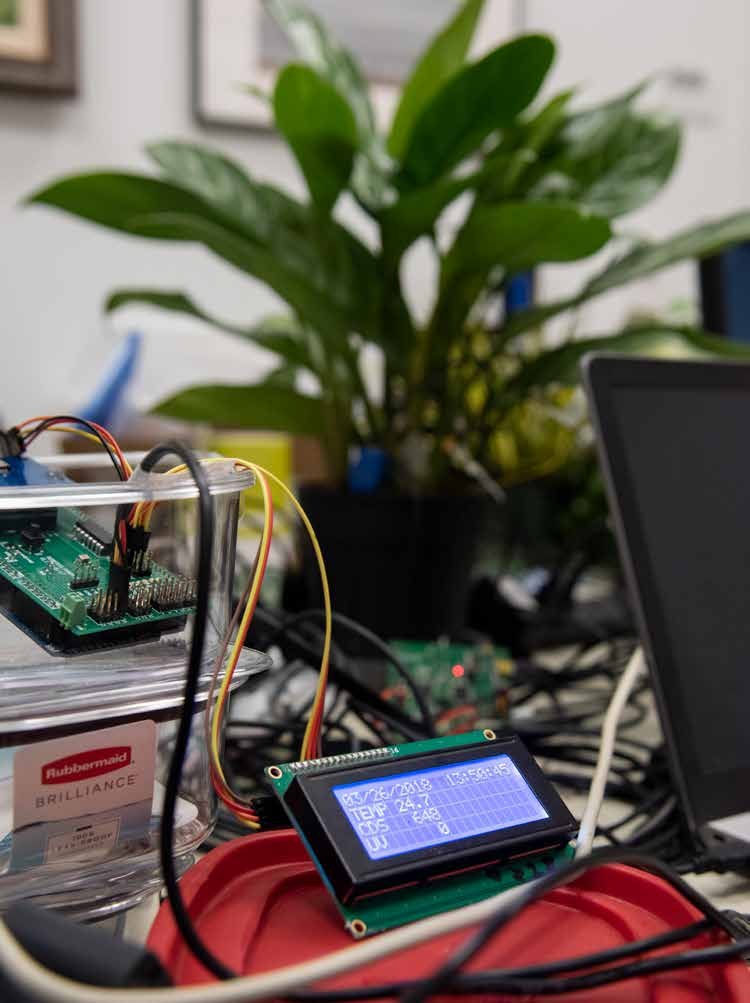
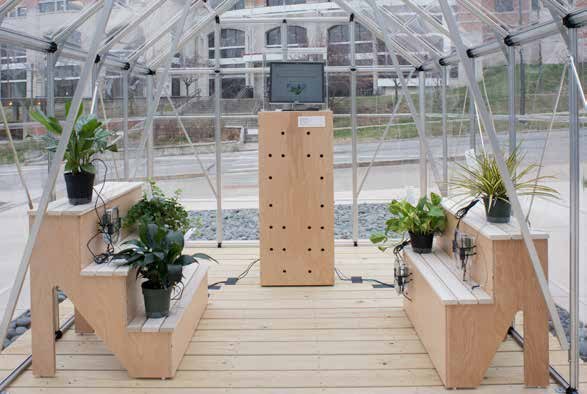
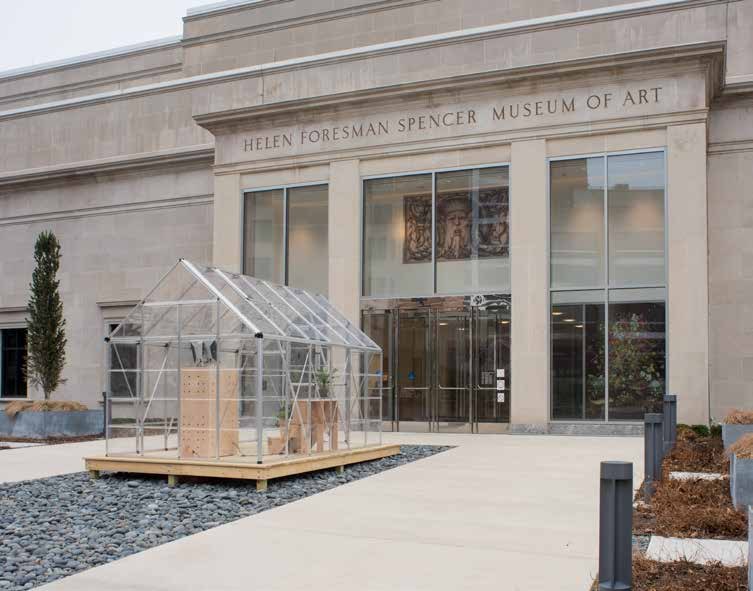
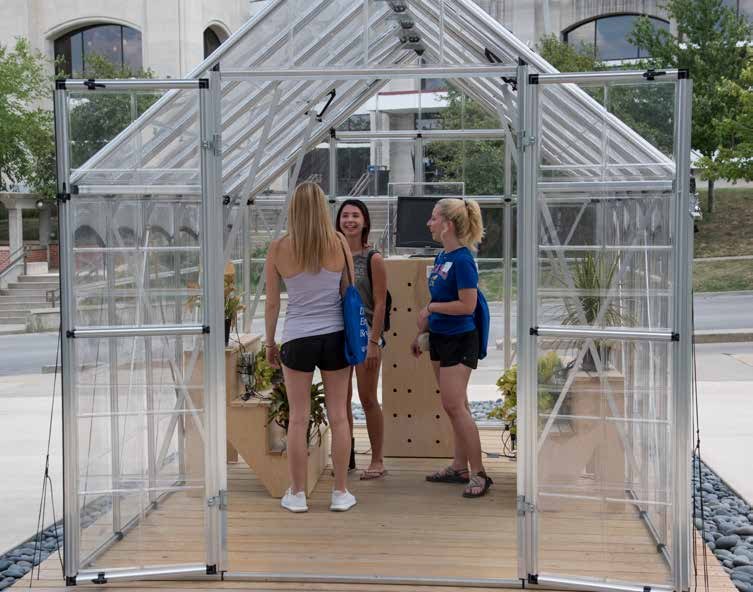
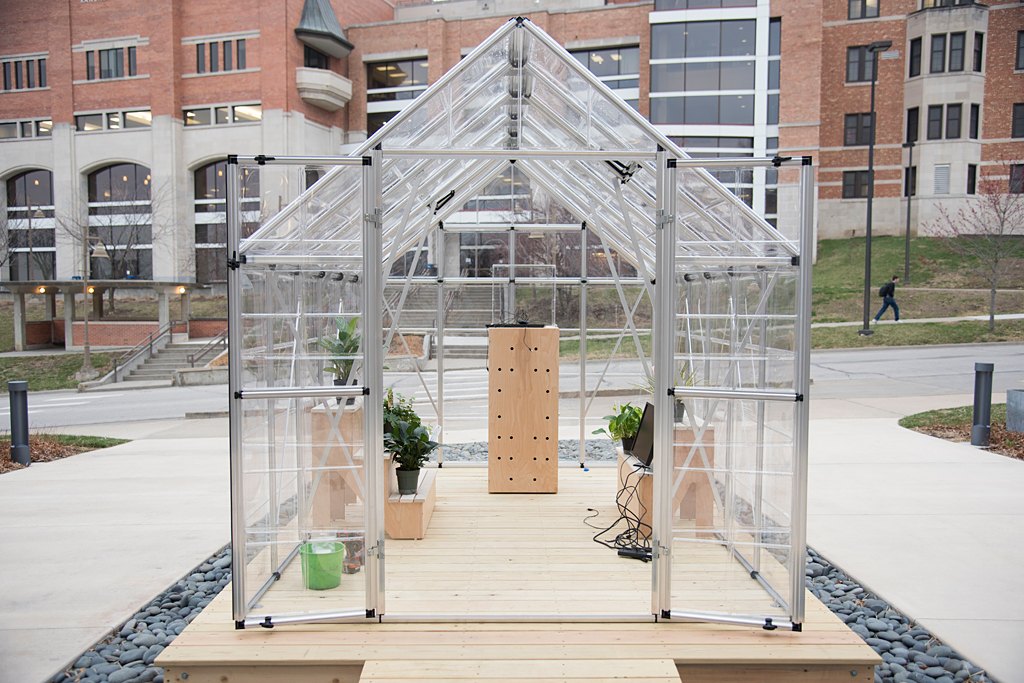
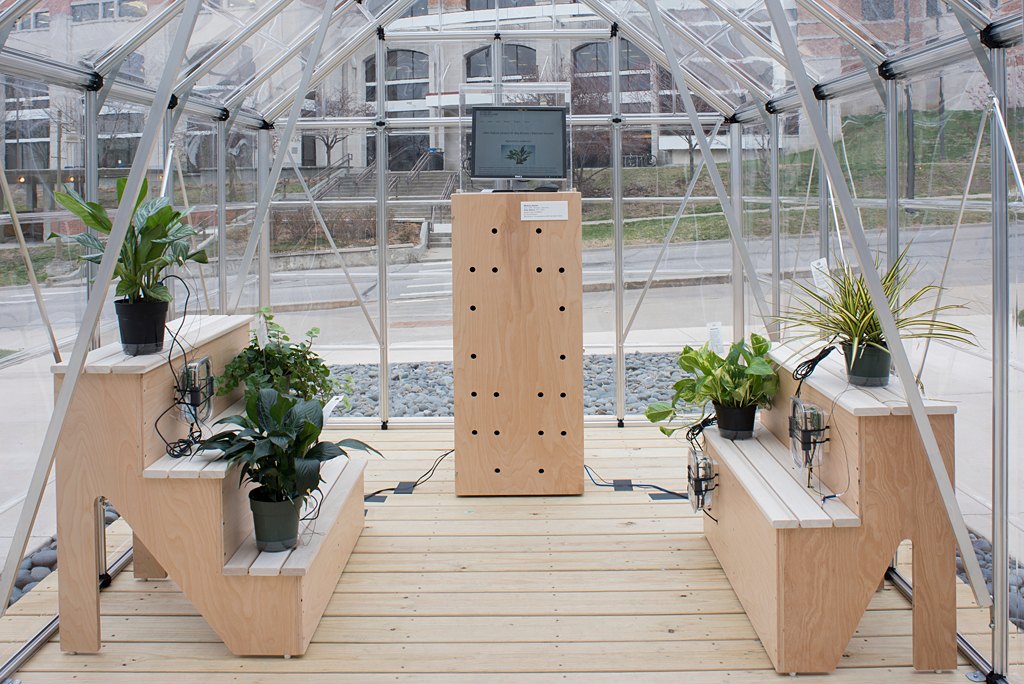
In 2018 Kessler restaged and expanded After Nature as a full greenhouse installation (model: Snap & Grow Plus) for Big Botany: Conversations with the Plant World at the Spencer Museum of Art, University of Kansas (March 27 – July 15, 2018) — a group survey of nearly fifty artists, curated by Stephen Goddard, examining humankind’s relationship to the plant kingdom. Kessler’s contribution updated the 2011 GL Holtegaard apparatus with a voice-equipped robot and a SQL databank, and shifted the plant subjects from the Danish garden’s sunflowers and Venus flytraps to four houseplant species drawn from NASA’s 1977 Clean Air Study: peace lily (Spathiphyllum wallisii), English ivy (Hedera helix), Chinese evergreen (Aglaonema modestum), and cornstalk plant (Dracaena fragrans) — species chosen specifically for their air-purifying properties, extending the original piece’s question (can nature be coded and re-coded?) into a second register: plants bred by humans to clean the air humans have polluted. Kessler worked with project manager Dr. Wendelin Weingartner, software engineer Ovidiu Farauanu, and hardware engineer George M. Gallant, Jr. to adapt an EEG health monitor to read plant stress signals; the robot voice announced the plants’ status and any care actions — watering, ventilation, UV — to visitors in real time, with the data streamed to the web.
Works