2022–2025. Participatory social sculpture. Stadtwald Rosbach vor der Höhe and the Botanical Garden of Justus Liebig University Giessen. A project by Dr. Claudia Hartl, Mathias Kessler and Clemens Finkelstein, fellows of the Panel on Planetary Thinking, JLU Giessen.
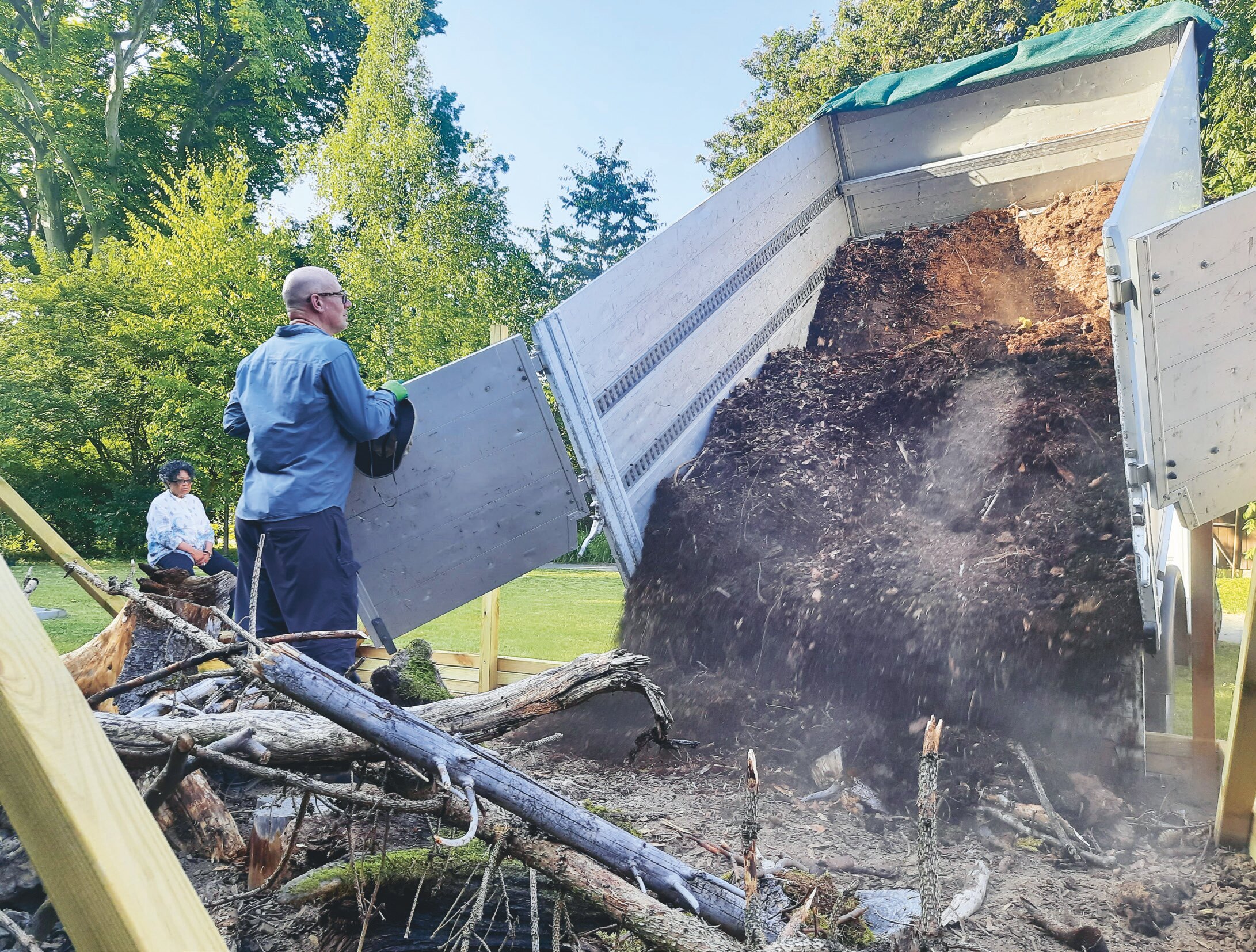
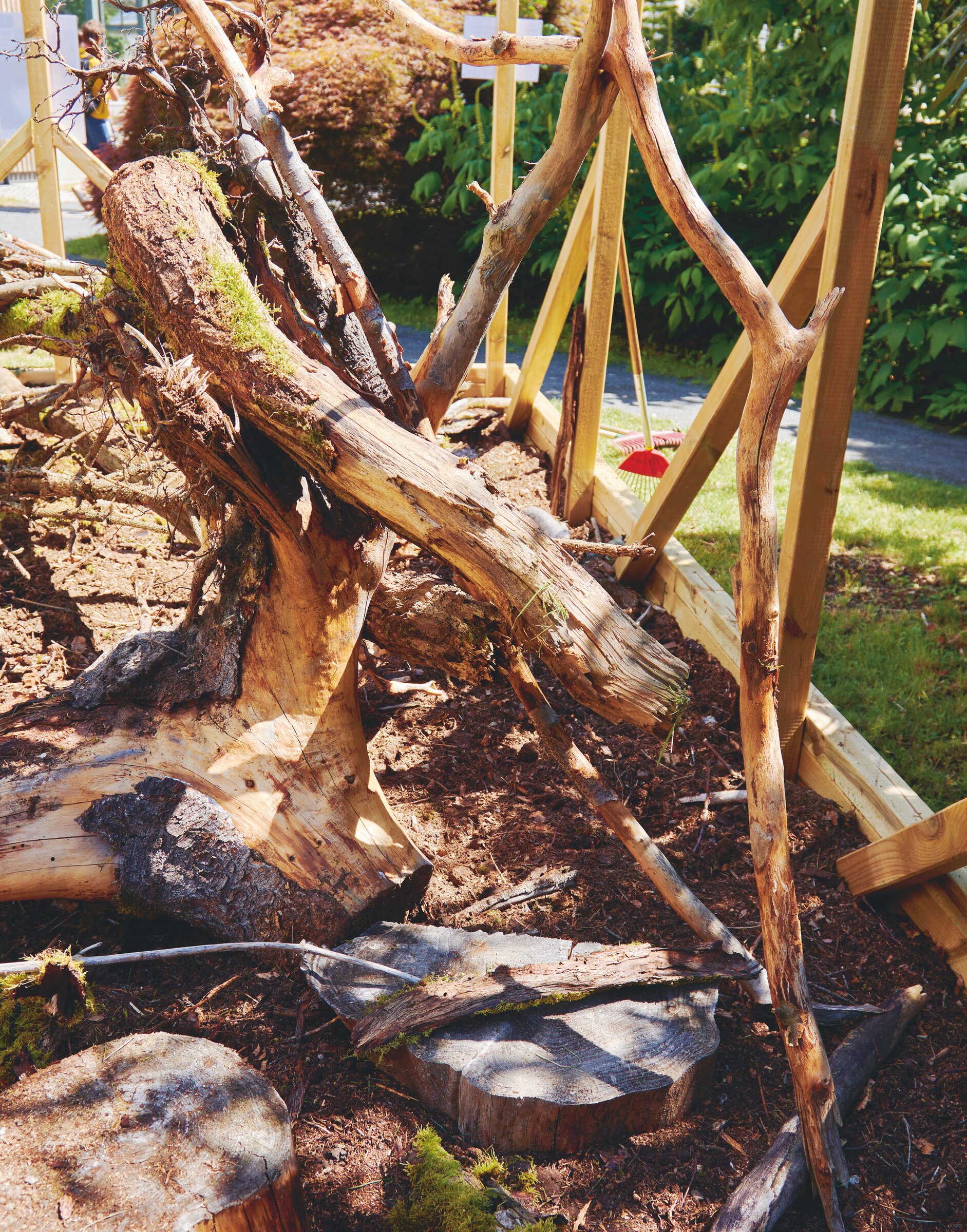
Since 1609, the Botanical Garden Giessen has assembled more than 7,500 plant species from around the world into a constructed nature: a botanical representation of colonial planetarity. Planetary Forest brought a piece of the regional forest into this collection. Material from a clear-cut in the Rosbach city forest, where a Norway spruce stand had been killed by bark beetles, was rebuilt in the garden as a fenced sculpture and left to natural succession, without care. The project unfolded in four “forest walks,” the structure of the book that documents it.
Forest Walk 1: Discovery
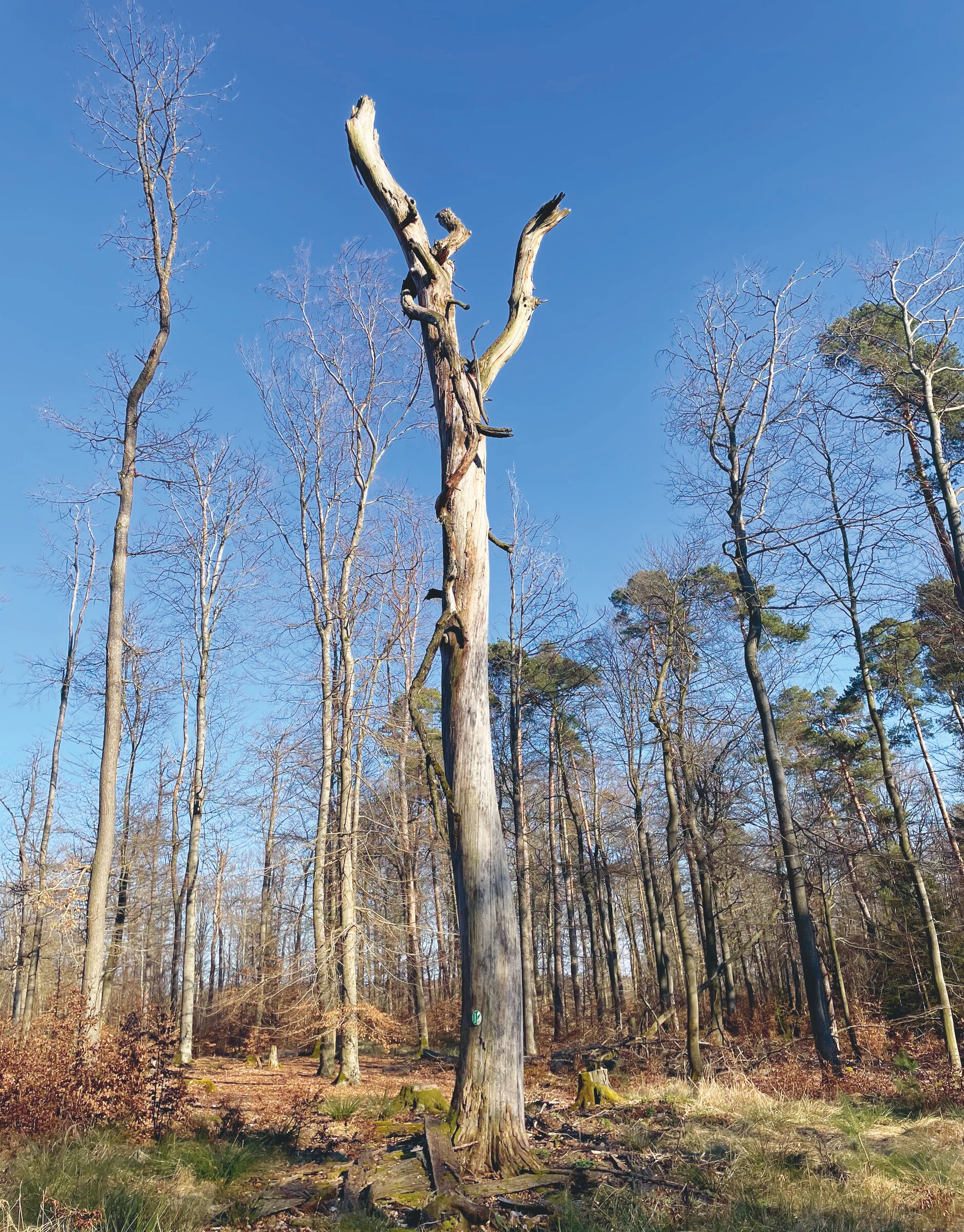
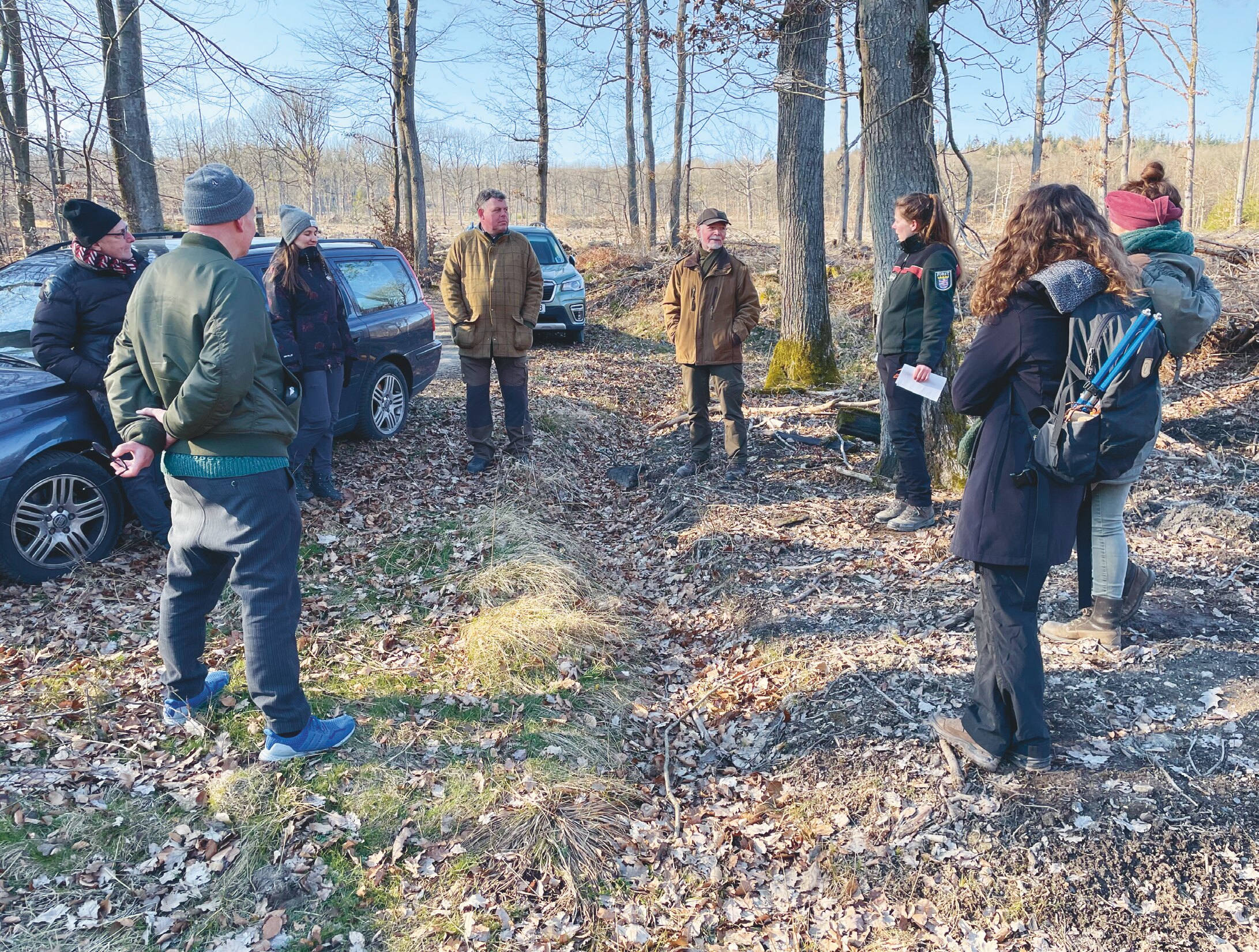
The disturbance area was first encountered by Claus Leggewie, director of the Panel on Planetary Thinking. In March 2022, before the fellowship began, Kessler, Leggewie and others inspected the site with district forester Eva-Maria Kirchler and mayor Steffen Maar of Rosbach vor der Höhe. Concept, drawings and further visits then developed together. On 19 May 2022, the three fellows, Claudia Hartl, Clemens Finkelstein and Mathias Kessler, walked the site together.

Forest Walk 2: Walkabout
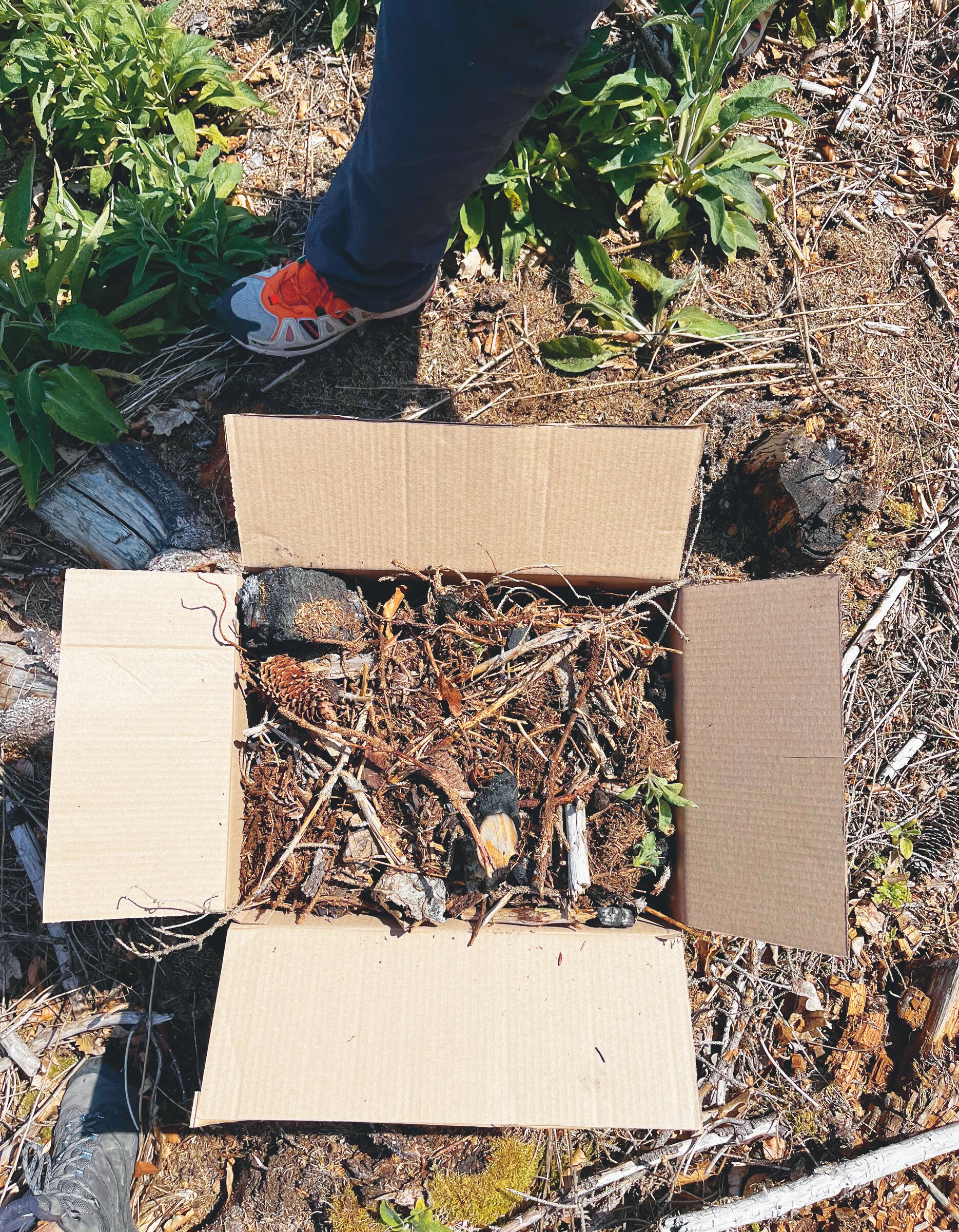
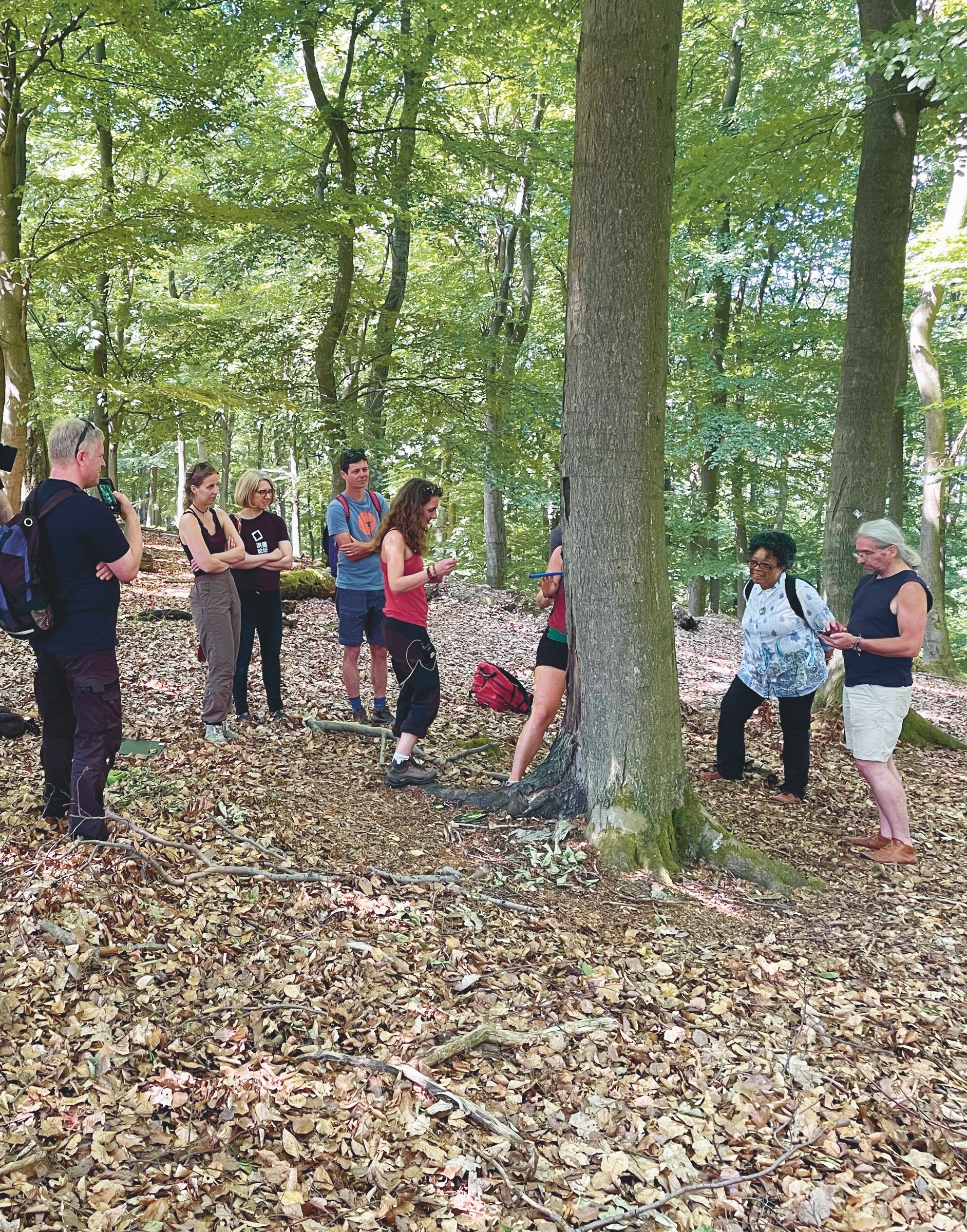
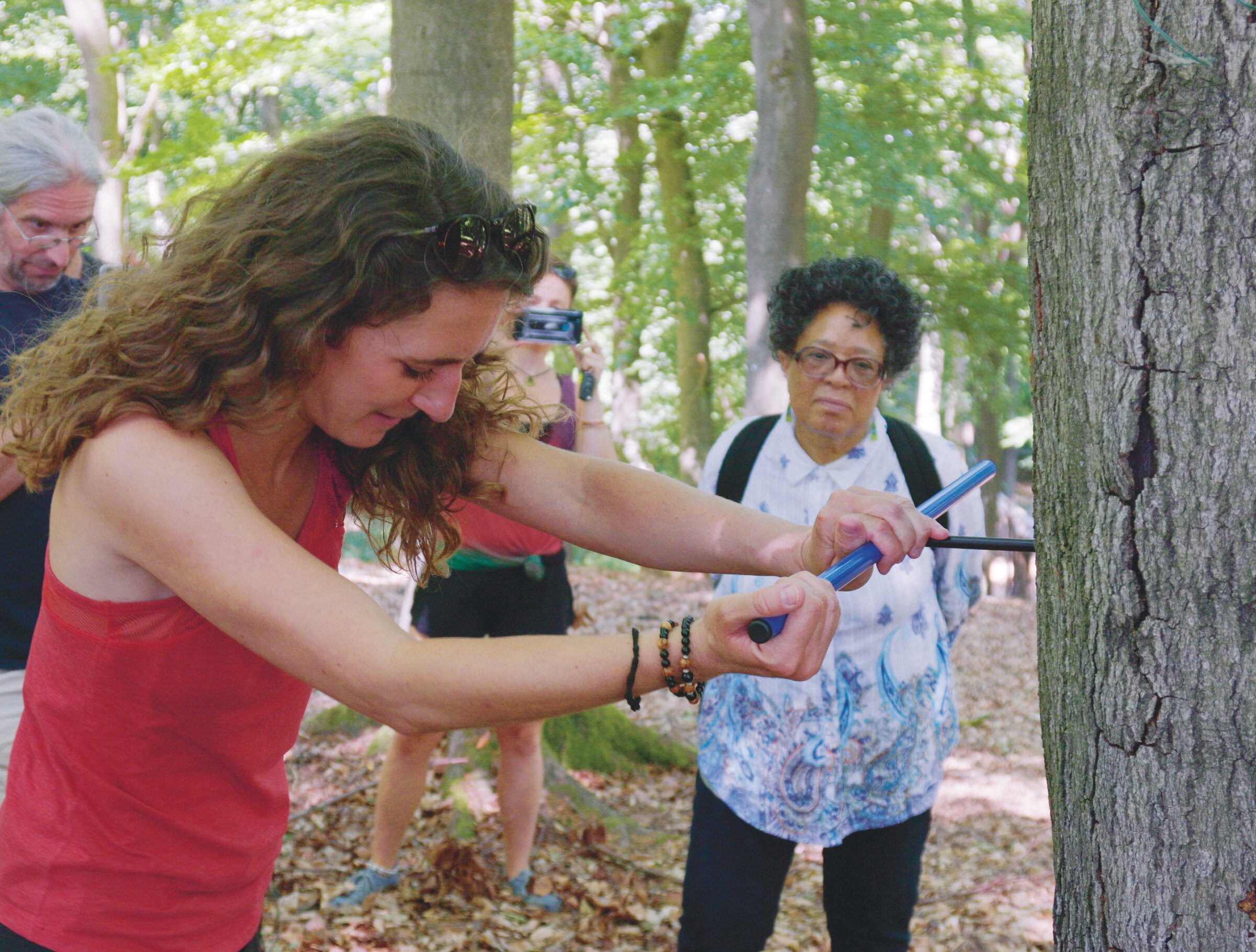
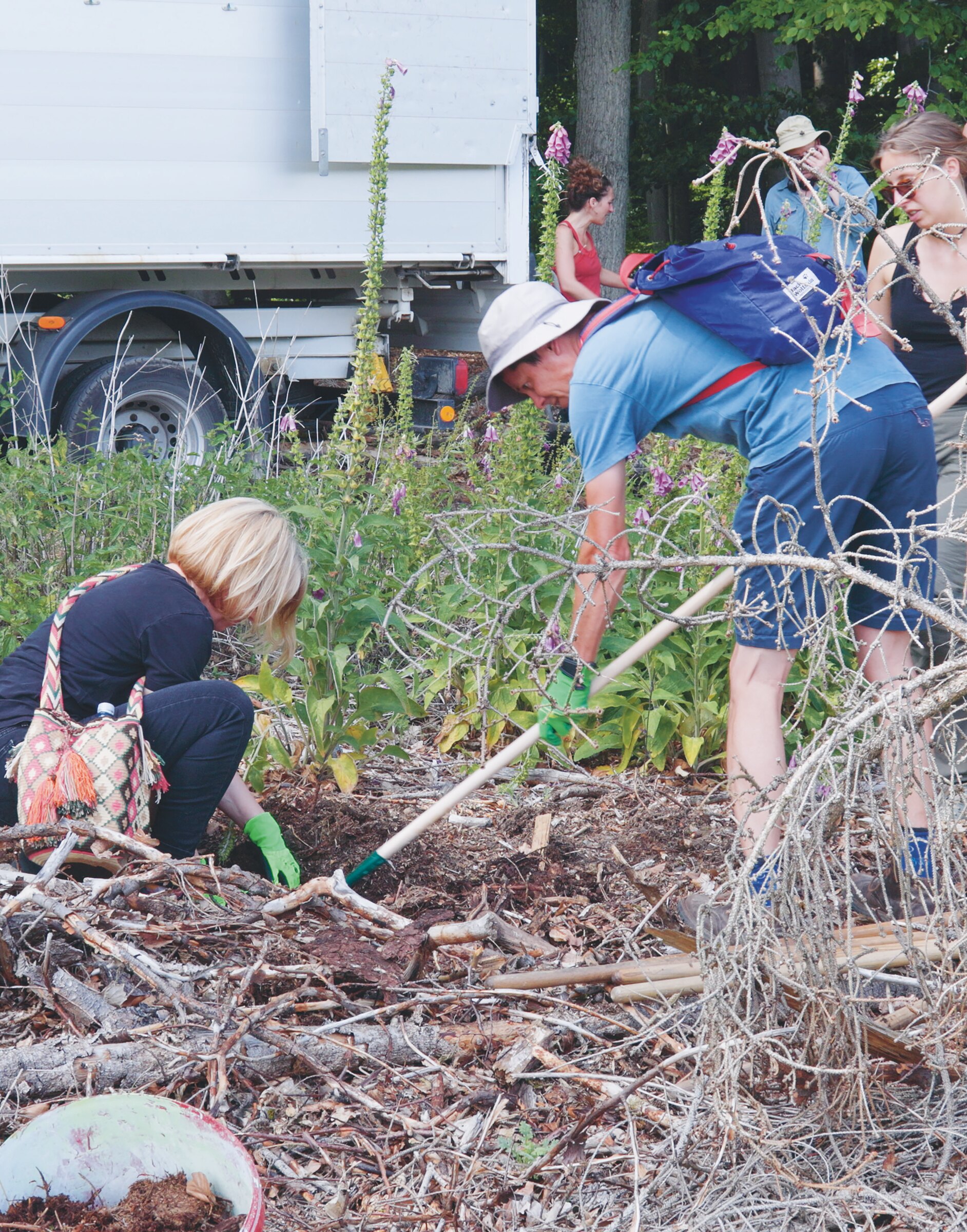
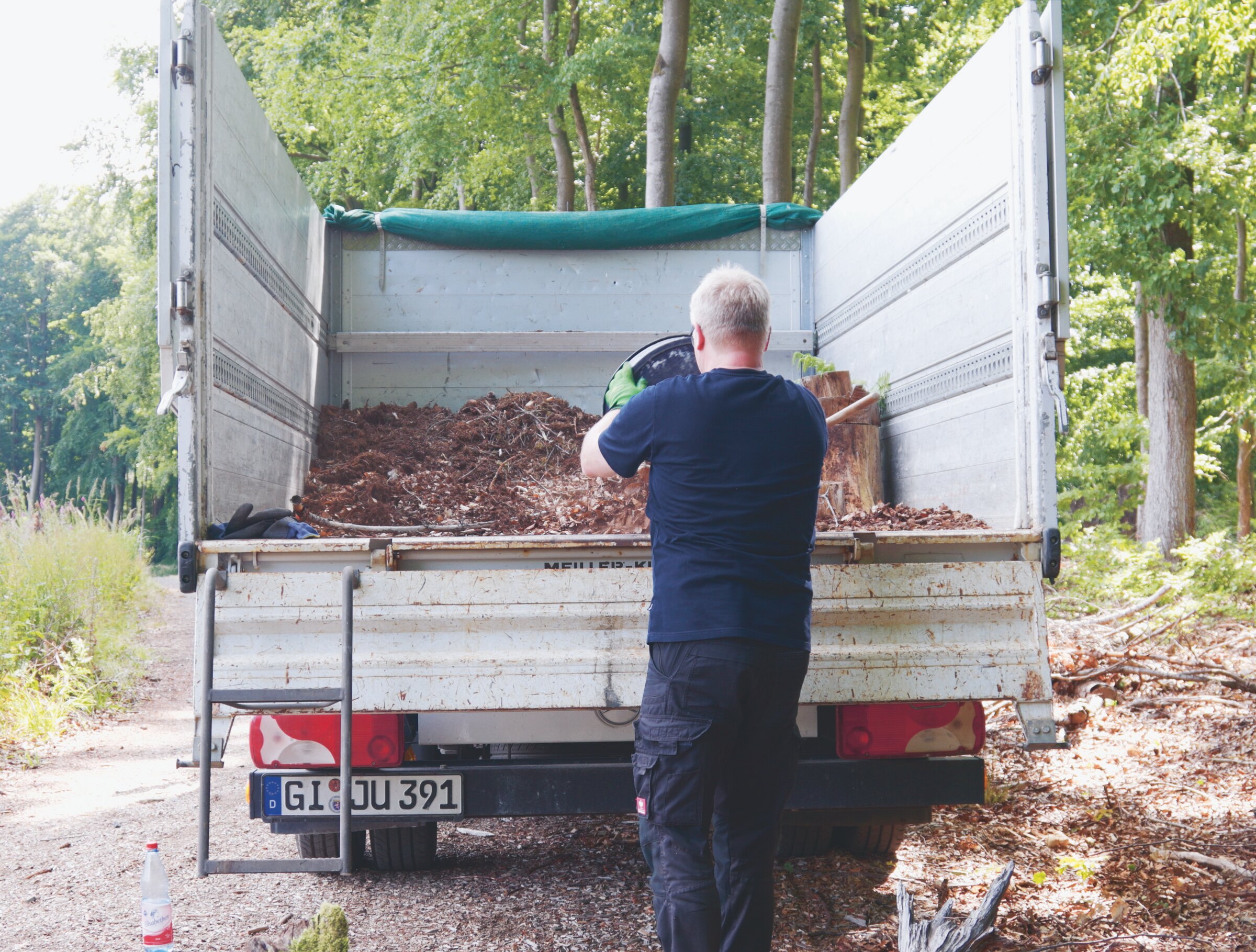
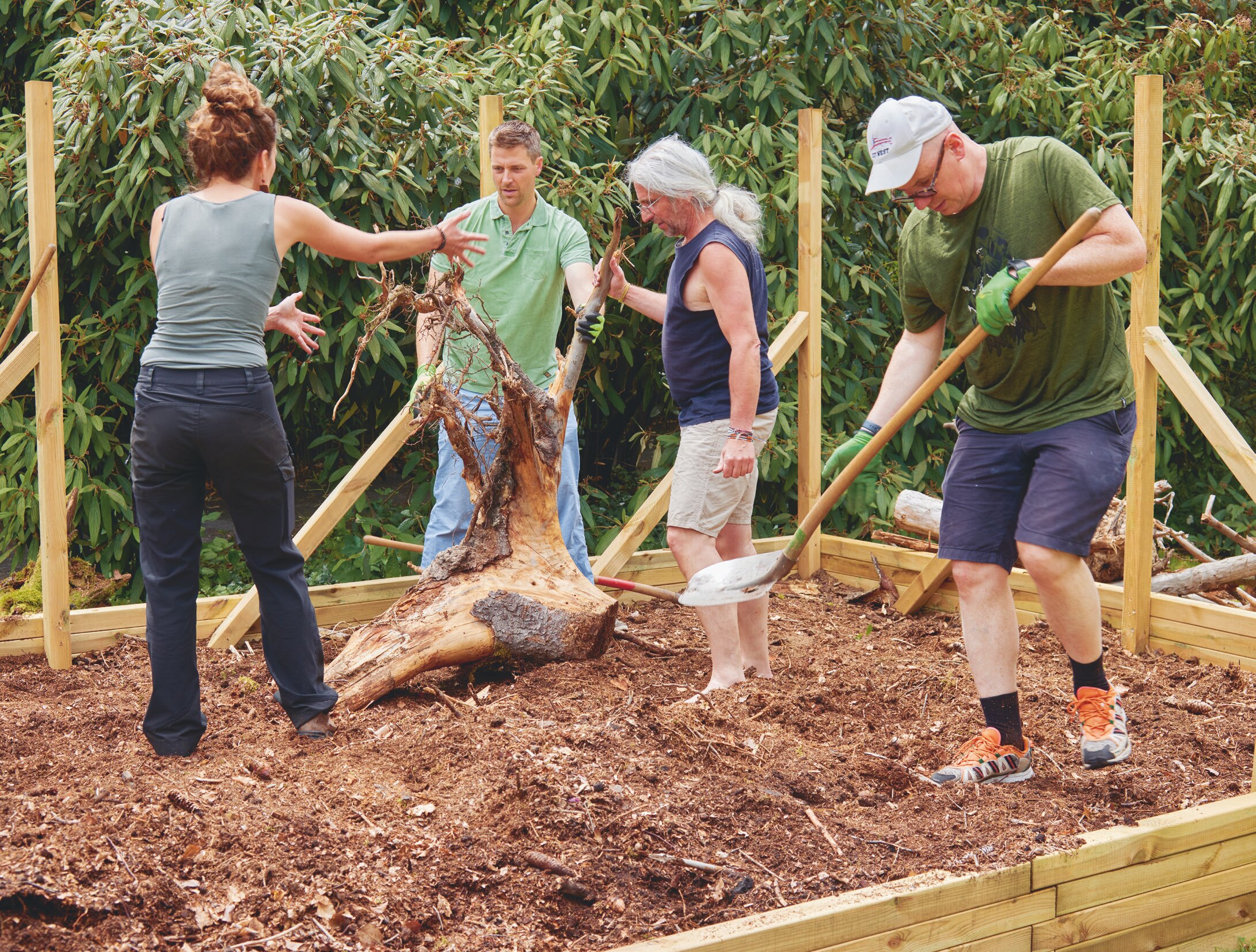
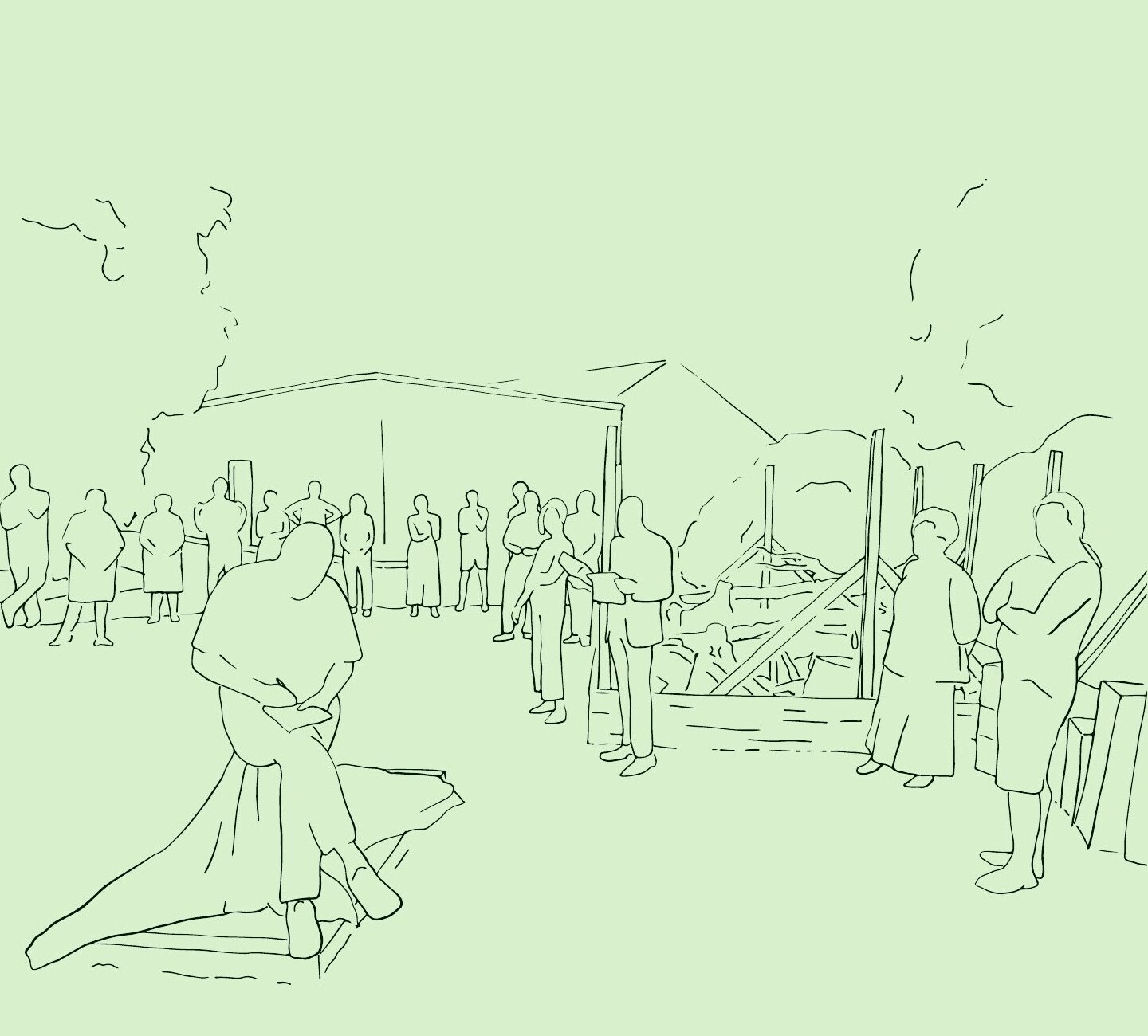
On 23 June 2022, participants who had answered a public call travelled by bus from Giessen to Rosbach vor der Höhe. A narrative walk led past the remains of a Roman fort on the Limes, ammunition dumps, open-pit mining, the former US base where Elvis Presley was stationed, and stretches of dead forest. It ended at the clear-cut, where the group collected deadwood, forest soil and moss together, with the permission of the forest administration and the town of Rosbach.
Forest Walk 3: Transplantation
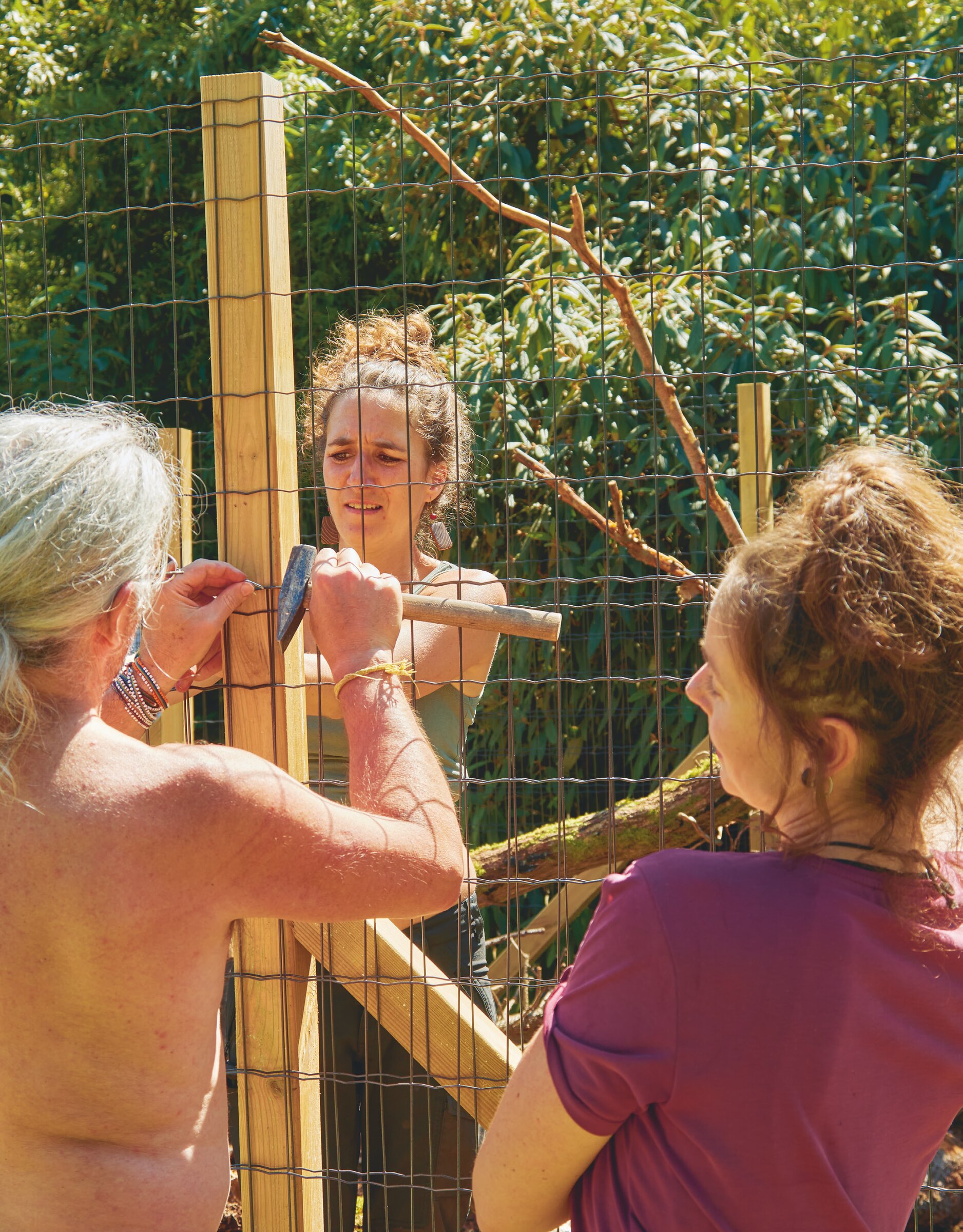
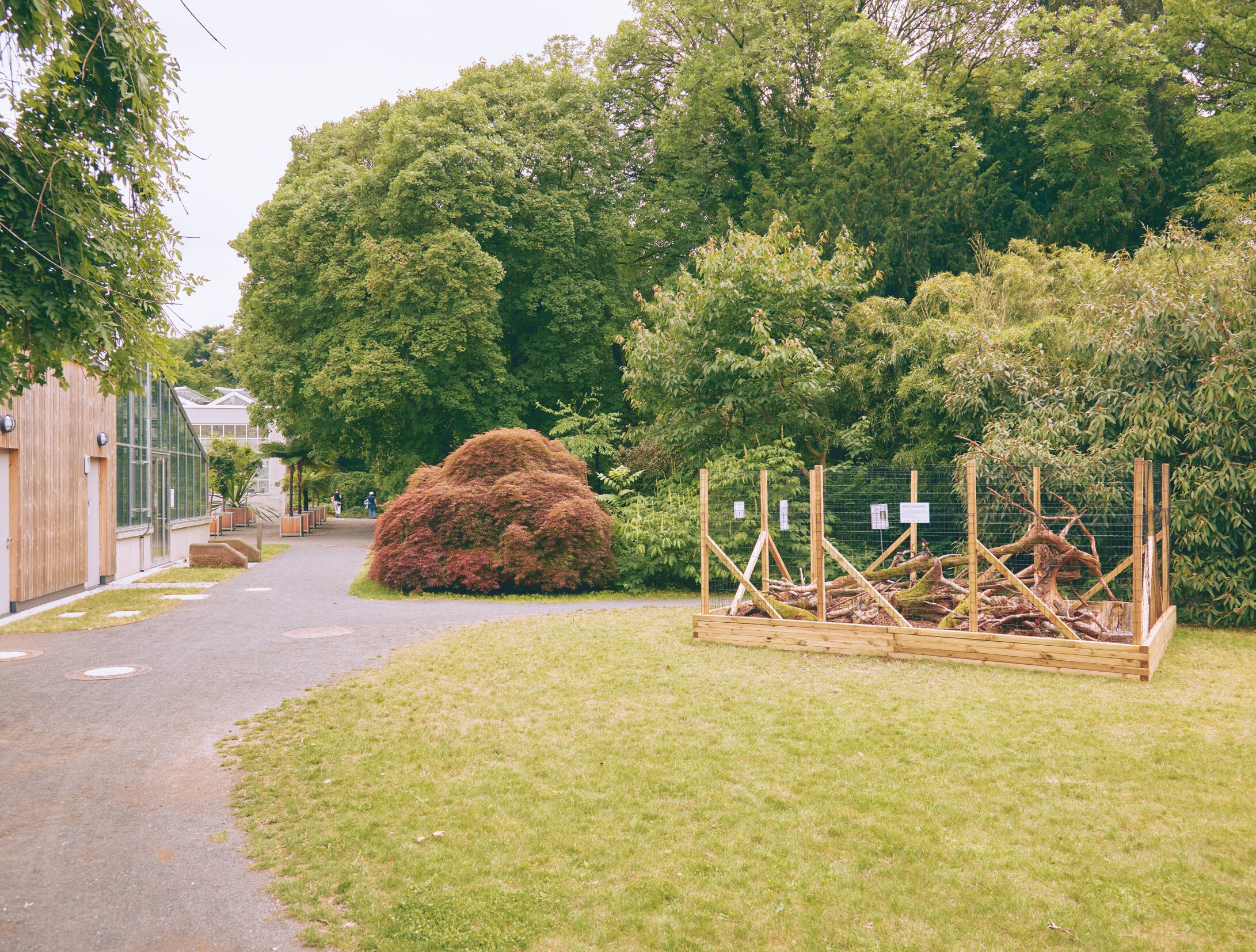
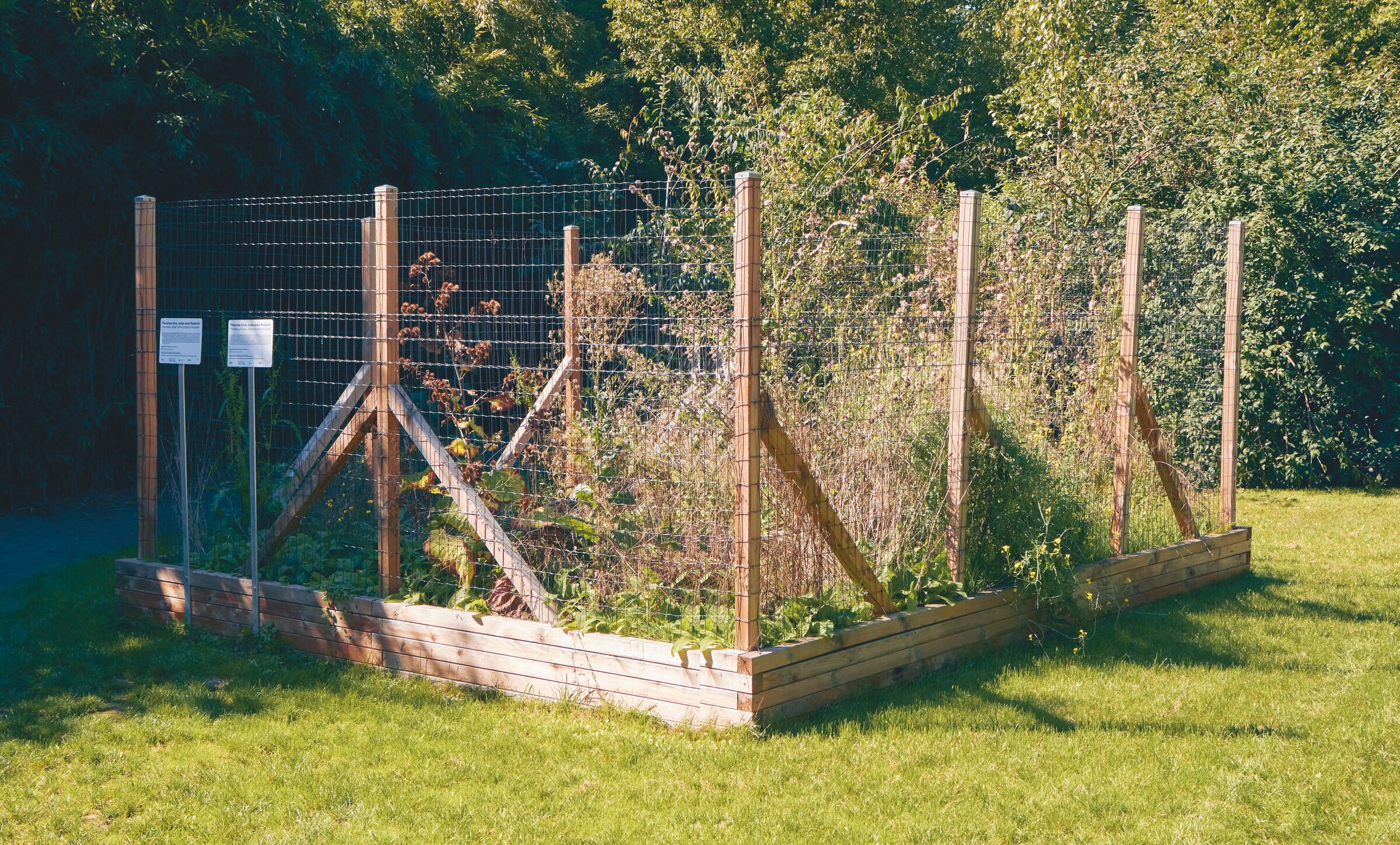
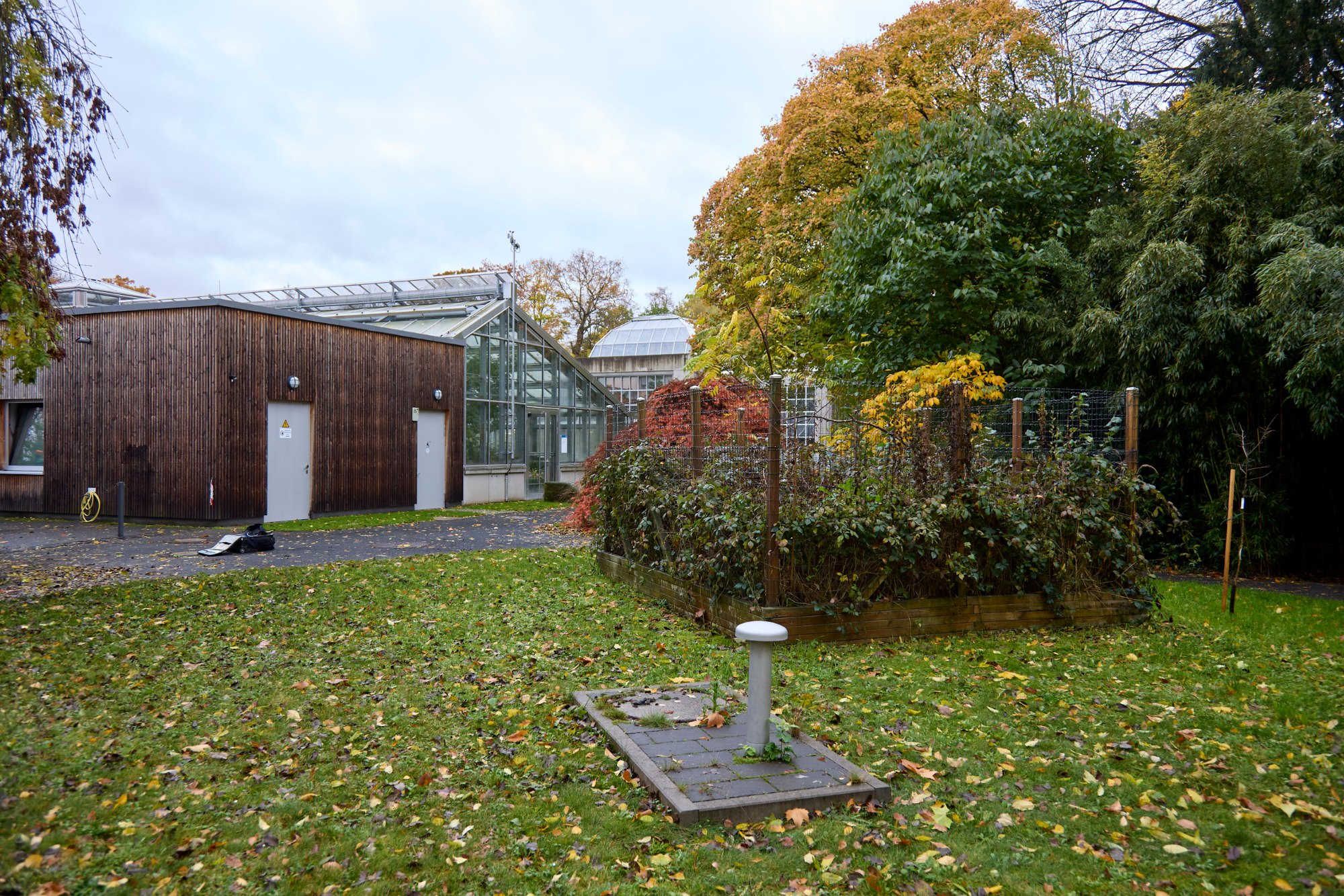
The material was brought to the Botanical Garden and laid into a raised bed with a wooden frame and a metal fence, on a lawn next to the new greenhouses. On 24 June 2022, the participants completed the sculpture, and it opened that evening. The fence was not meant to protect the forest. It was meant to keep its caretakers out: apart from the fence itself, the sculpture would receive no maintenance. The open question was whether the seeds and spores in the forest soil would establish themselves, or whether the garden’s non-native species would take over.
Forest Walk 4: Growth
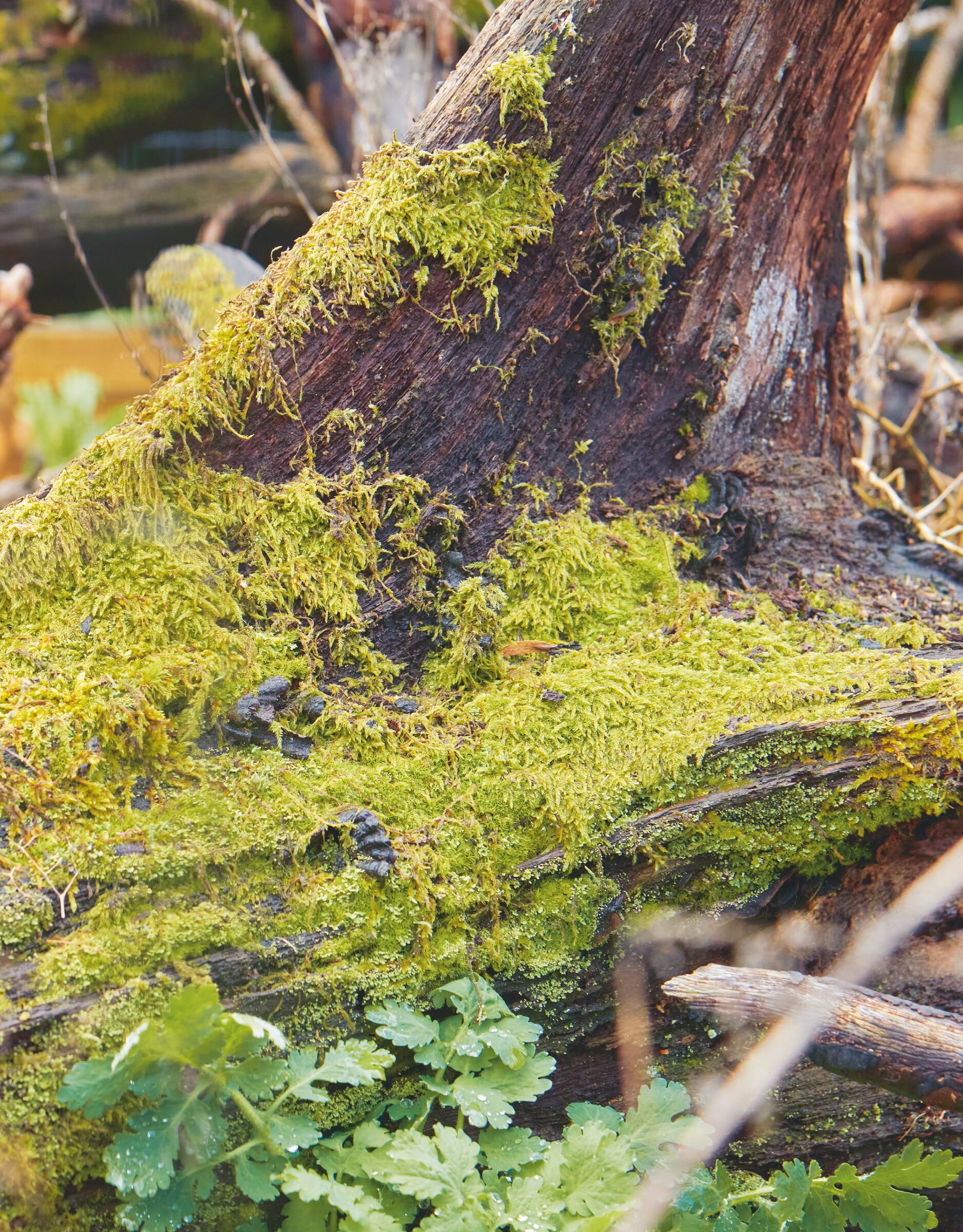
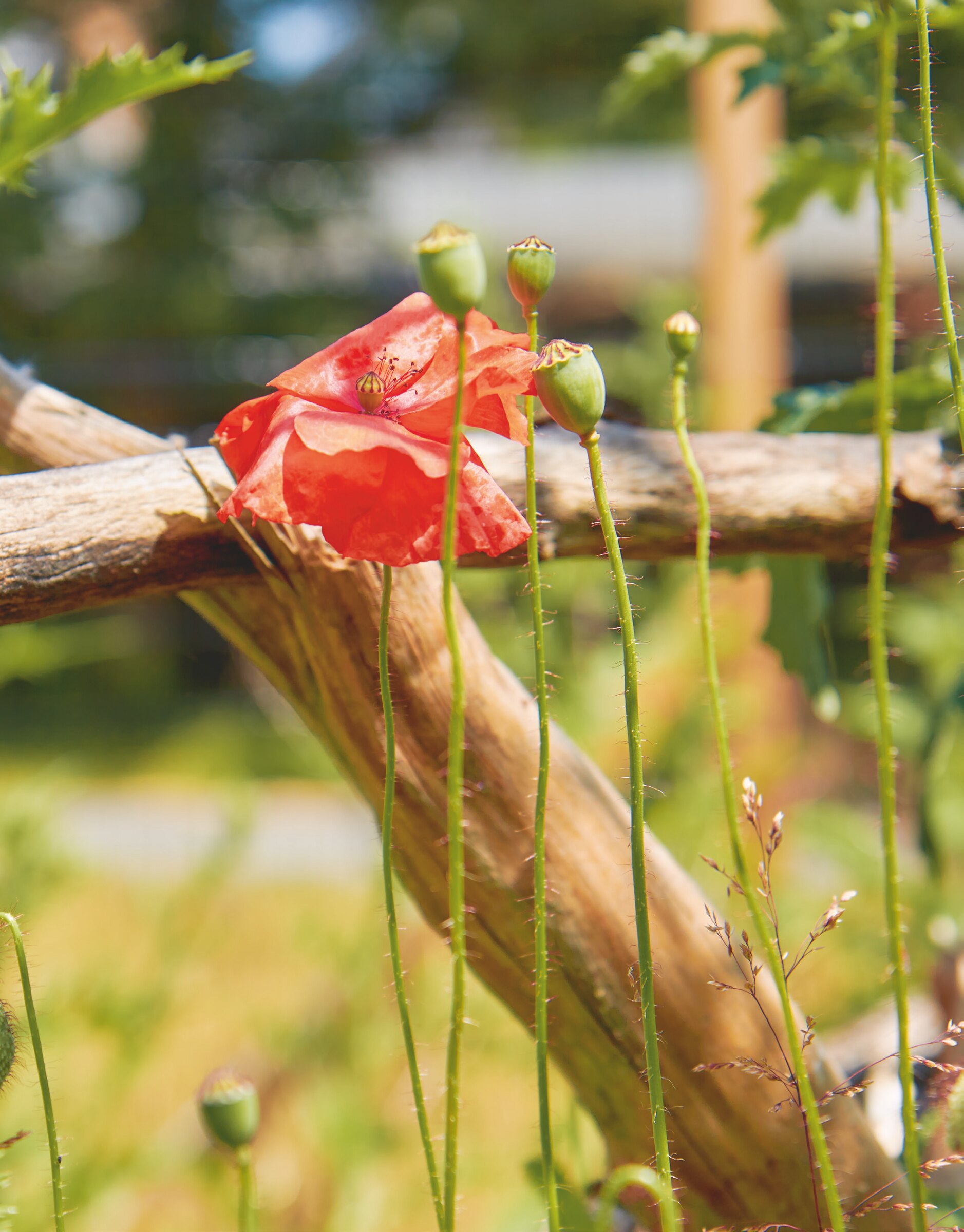
Through 2023, the photographer Aaron Erik Endres returned to the sculpture at regular intervals from March to September.
October 2025
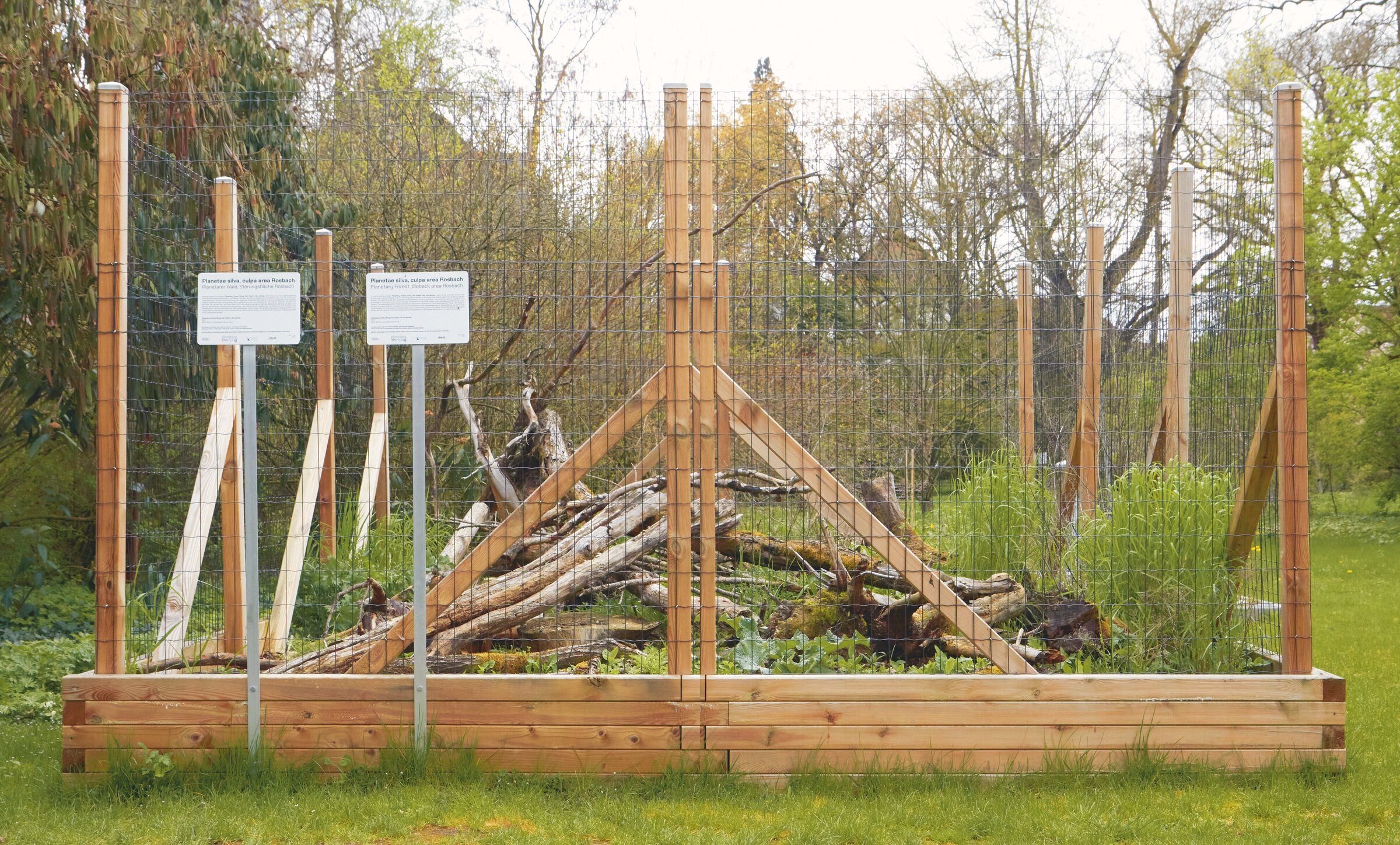
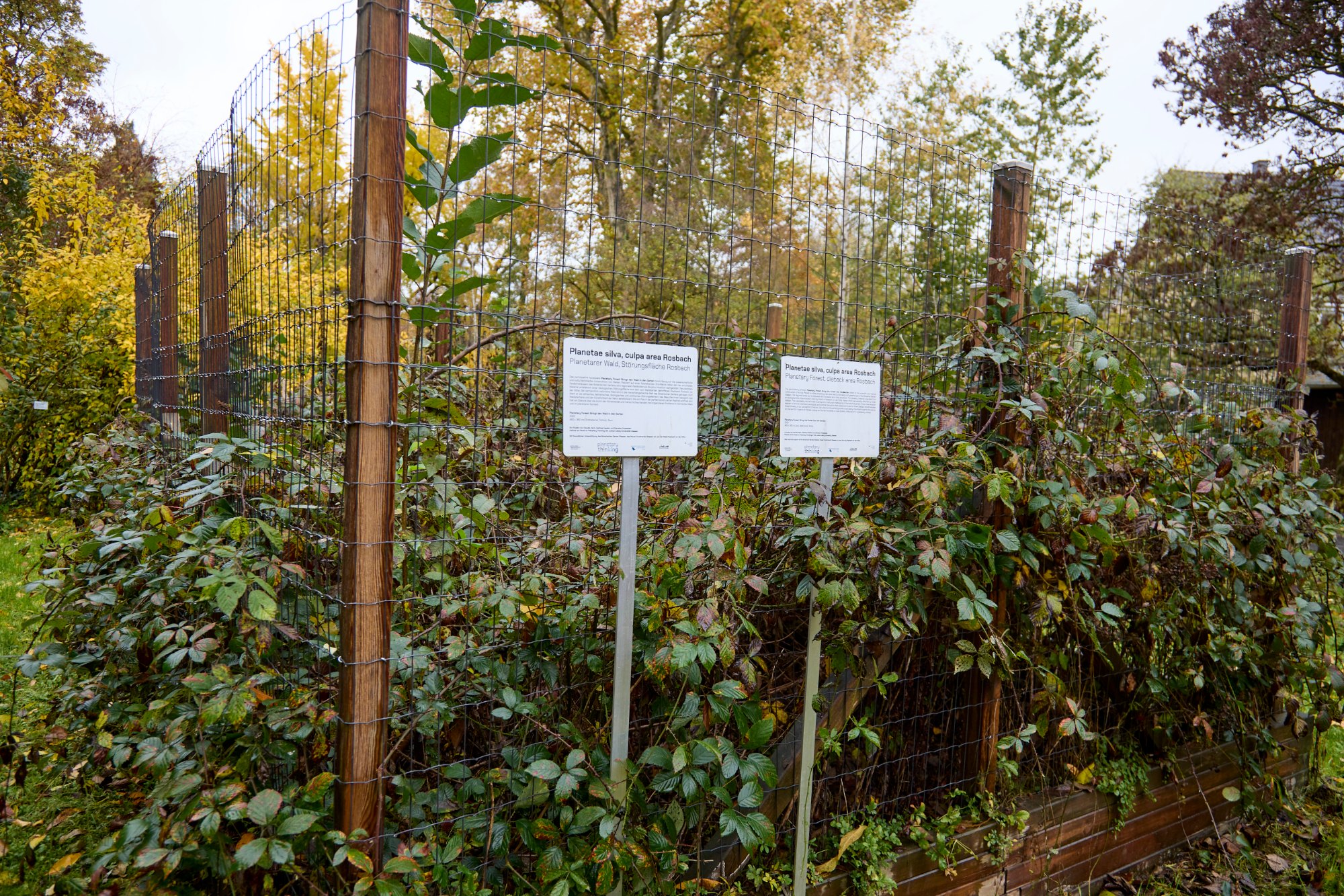
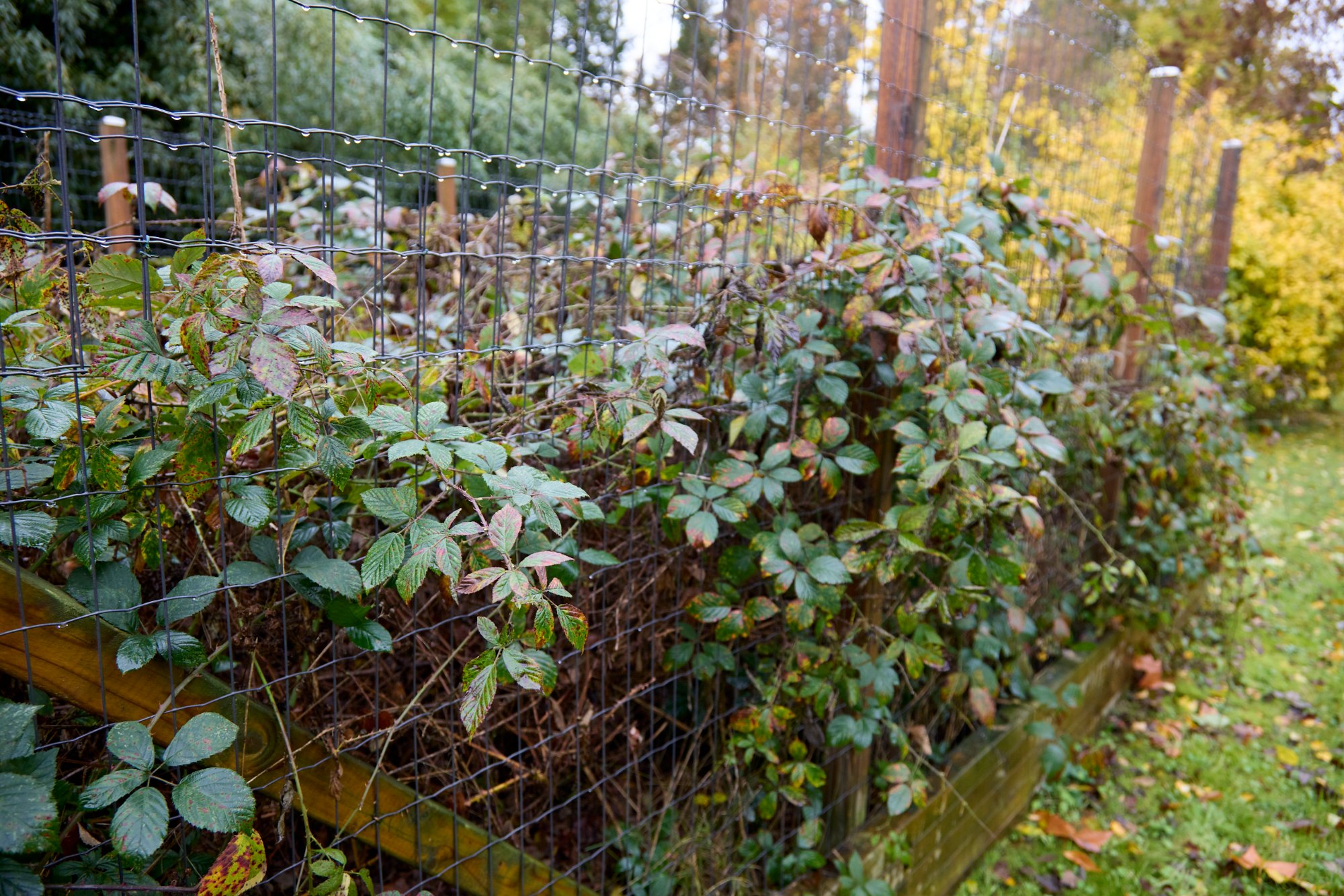
Kessler documented the sculpture for the last time on 28 October 2025, from the same frontal position as the book’s first view.
Ending
After the Panel on Planetary Thinking concluded its work, the Botanical Garden asked for the sculpture to be dismantled. The last documentation dates from 28 October 2025; the sculpture was removed after that date.
Materials: deadwood, forest soil, moss and understory from the Rosbach city forest; wood; metal fence.
Partners: Botanical Garden Giessen, Neuer Kunstverein Giessen e.V., Town of Rosbach vor der Höhe.
Fellowship: Developed during a three-month fellowship (April–June 2022) in the Planetary Scholars and Artists in Residence programme at the Panel on Planetary Thinking, Justus Liebig University Giessen.
Funding: Planetary Forest was funded by the Hessian Ministry of Science and Art and within the framework of the “Planetary Scholars and Artists in Residence Fellowship” Program.
Publication: Clemens Finkelstein, Claudia Hartl, Mathias Kessler, Planetary Forest, ed. Clemens Finkelstein and Mathias Kessler. Berlin: DISTANZ Verlag, 2024. ISBN 978-3-95476-632-1.
Image credits: unless noted, © Mathias Kessler. Frederic Hanusch, Clemens Finkelstein, Christine Elsässer and Aaron Erik Endres as captioned.